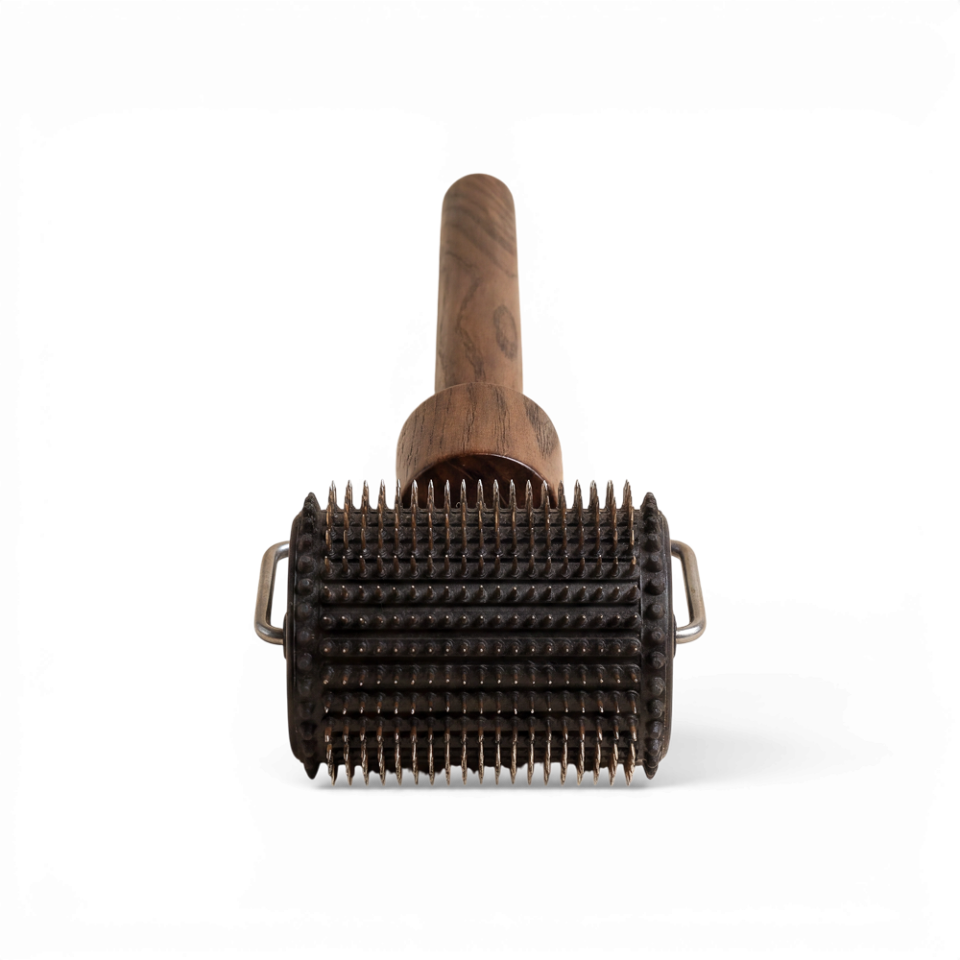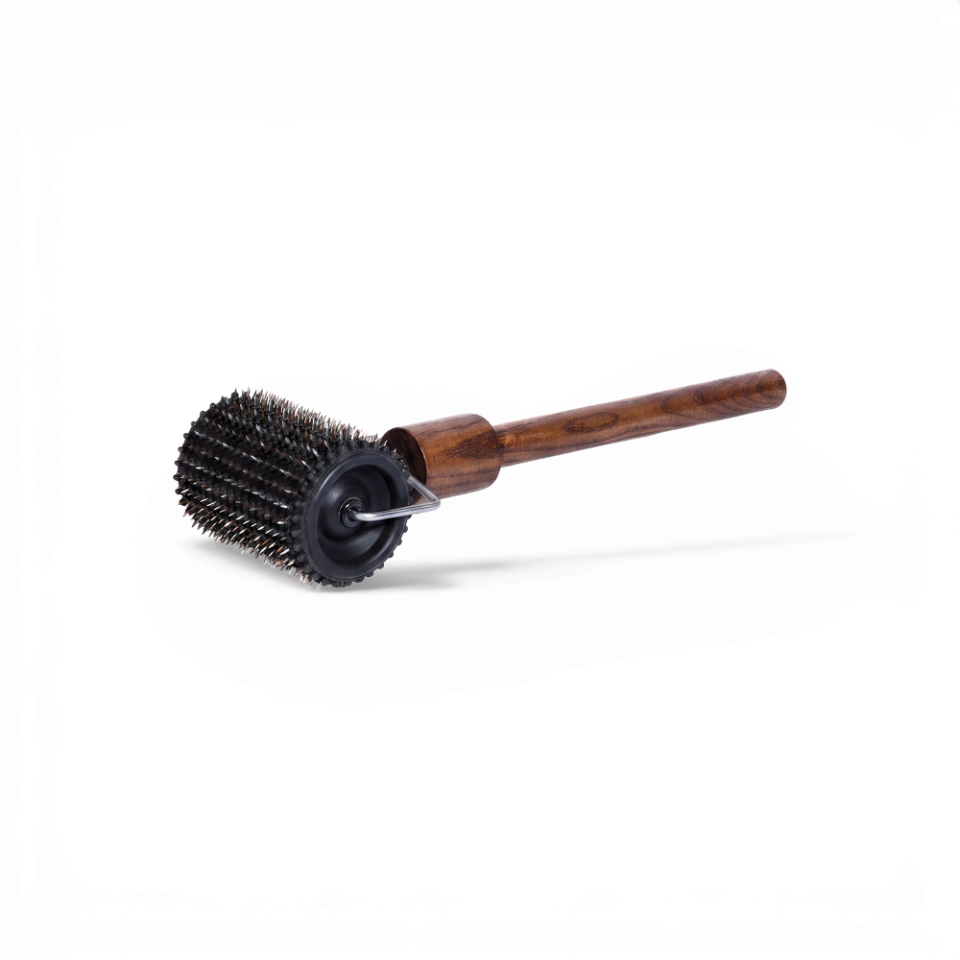
Does the fascia roller help with cellulite?

80 to 90 percent of women over 20 are affected by it. Women all over the world struggle in front of the mirror with the dimples in their skin. Dietary supplements, treatments for weak connective tissue, dry brushing, hormone therapies, cupping, essential oils, and other methods promise to eliminate this “beauty flaw.” In this article, we’ll answer the question of whether fascia training with the BLACKROLL® helps combat cellulite. But first, let’s take a look at what cellulite actually is.
What Is Cellulite?
Fibrous bands of connective tissue run between the cells of our subcutaneous fat tissue. Cellulite develops as a result of changes in our connective tissue, often influenced by diet, lifestyle, and hormonal factors.
It occurs when our skin is pulled downward over these bands into the deeper tissue. The result: the skin’s surface appears dimpled. Women tend to have less supportive connective tissue in certain areas—such as the buttocks and thighs—than men. When the collagen fibers of the fascia deform, fat deposits protrude.
Furthermore, connective tissue in men runs crisscross, while in women it is arranged vertically. So fat isn’t the “problem.” It’s the fasciae that run between our fatty tissue that cause cellulite. That’s why both slim models and curvier women are affected by these dimples.
If we’re going to tackle the issue of cellulite, we need to take a closer look at our fascia. All fascia are interconnected. A restriction in one specific area can limit another part of the body and thus alter its appearance.
For example, a structural change in the thigh can be the result of tension in the calves, back, or even the neck. Think of it like a sheet you put on your bed. If you pull the sheet at the bottom, the surface of the sheet on the other side will also change.
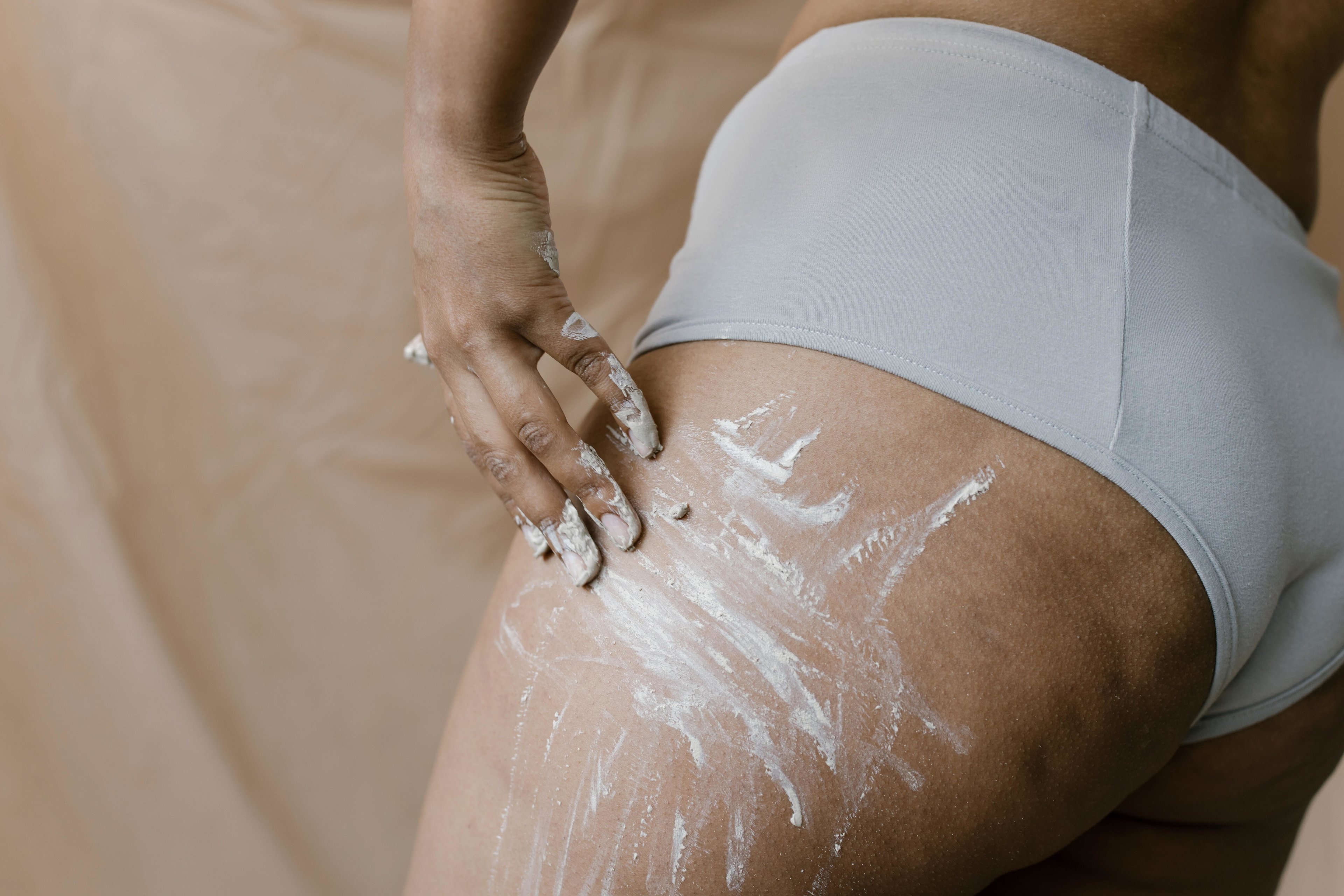
What effect does fascia training have on cellulite?
It almost seems too good to be true that massaging the body with a BLACKROLL® can make cellulite on the stomach, legs, and buttocks disappear. We’ve already established that our fascia is responsible for the appearance of cellulite. So it seems only logical that we could get rid of our cellulite through fascia training. But is that really the case?
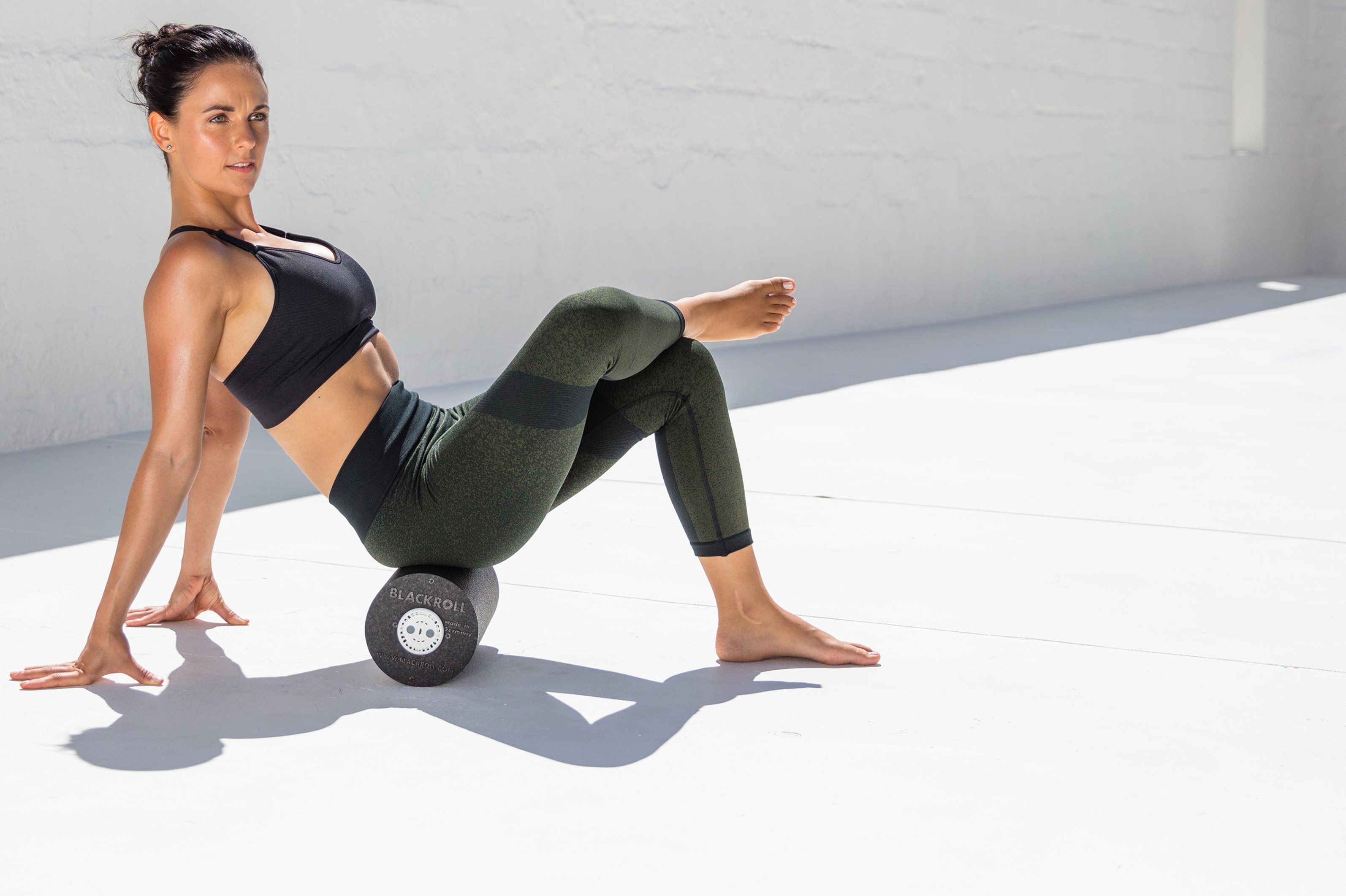
The fact is: Fascia training improves blood circulation and increases lymphatic flow. Every time we lie down on the BLACKROLL® , we squeeze our fascia like a sponge. This allows it to refill with fresh fluid. From this, one might conclude that fascia training reduces the appearance of cellulite.
There are many simple exercises you can do with a fascia roller. You don’t need any special training—it’s best to get started today.
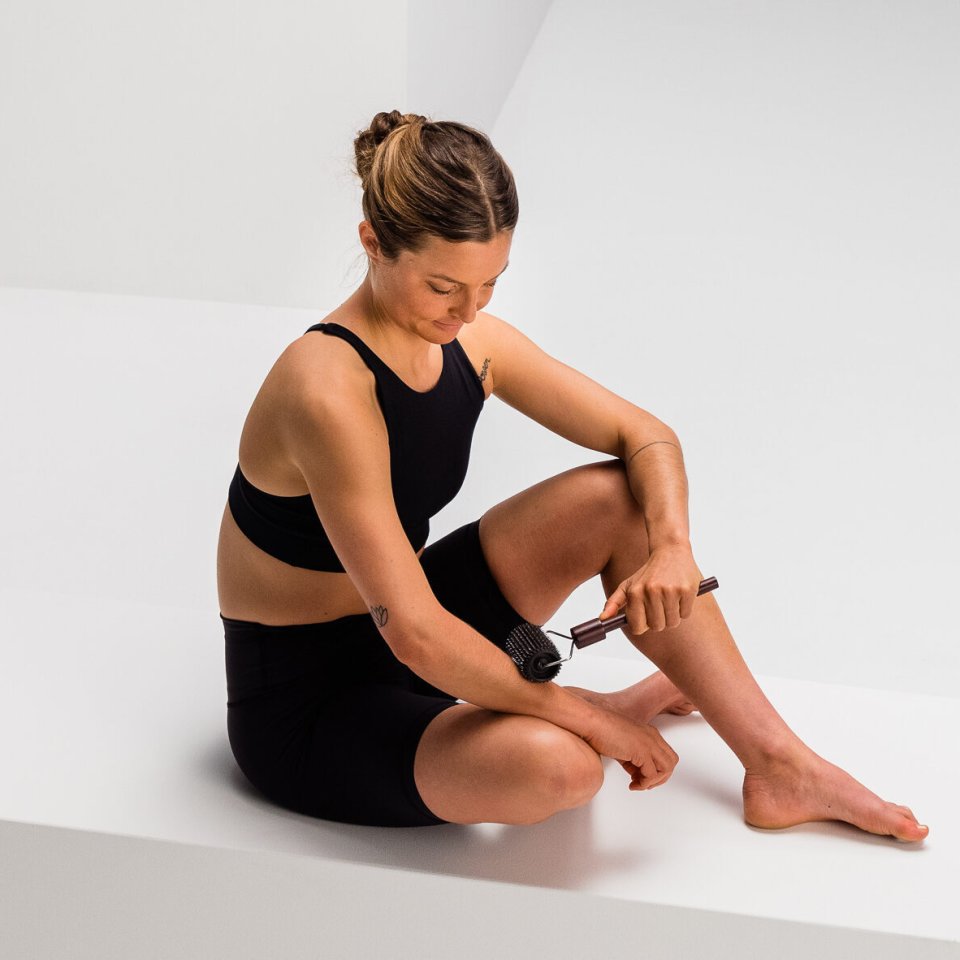
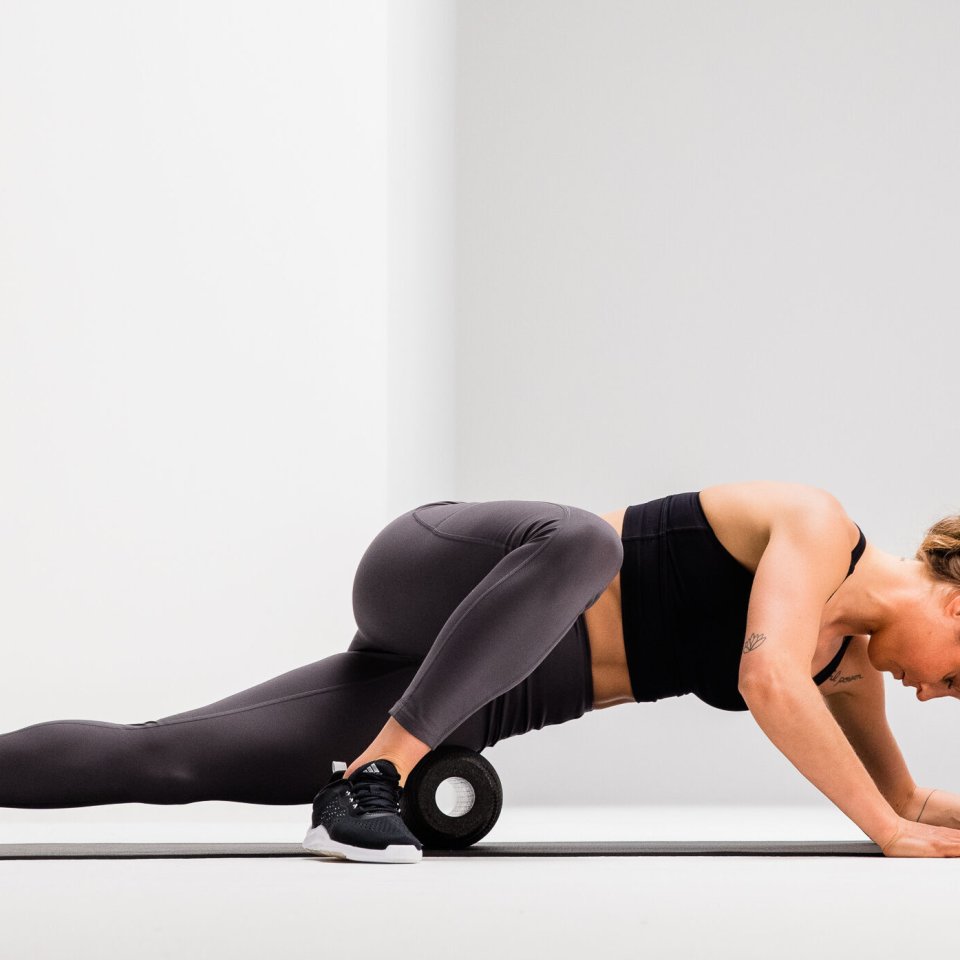
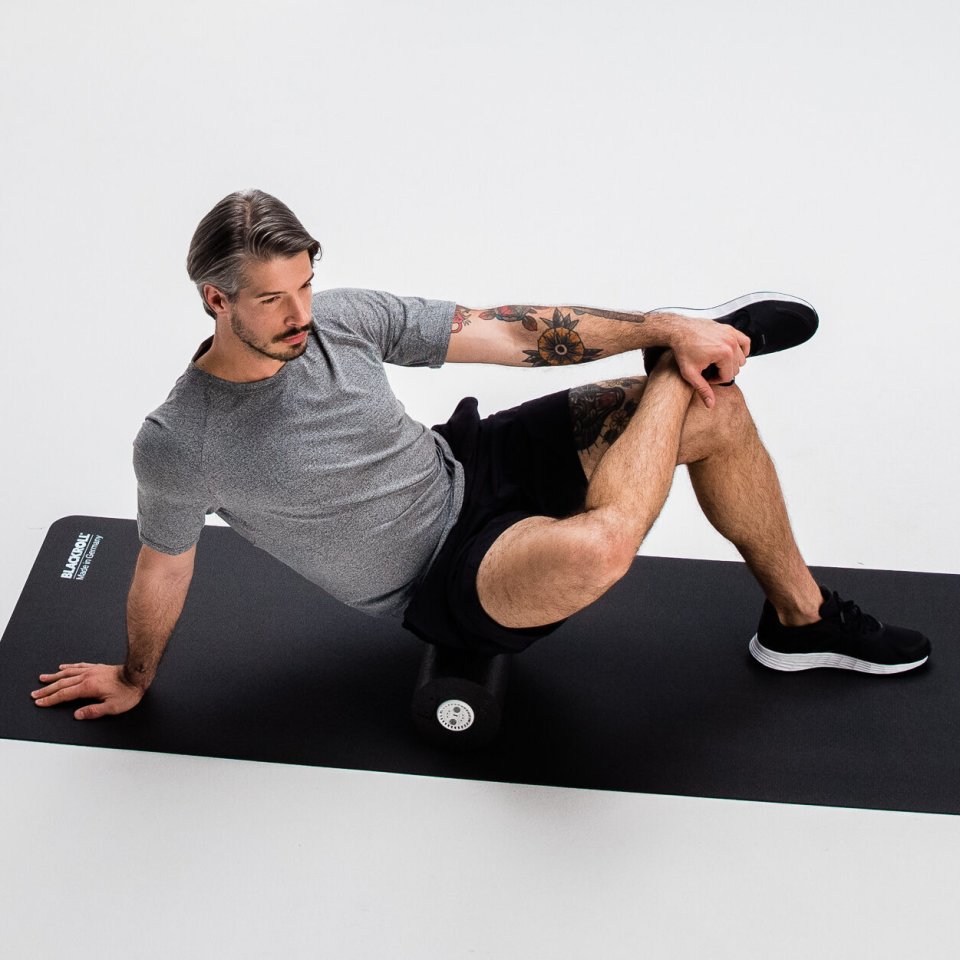
Self-massage exercises for the fascia:
What Does Science Say About Using a Fascia Roller to Combat Cellulite?
In fact, there are no conclusive studies proving the effectiveness of fascia training against cellulite. So we have to rely on anecdotal evidence.
After a person with cellulite uses a fascia roller, the appearance changes and fewer dimples are visible. One explanation for this is that self-massage releases tension from the fascia, allowing the fat to lie flat beneath the skin. However, this effect does not last long. To achieve lasting results, one would likely need to spend at least an hour on the fascia roller every day. For most people, this is probably hardly practical.
We conclude that fascia training could help combat cellulite to some extent due to its effects on our connective tissue. However, it certainly isn’t a 100-percent solution.
Healthy vs. Unhealthy Fascia
How about a paradigm shift? A better question than “How do I get rid of my cellulite?” would be “How do I keep my fascia healthy?”
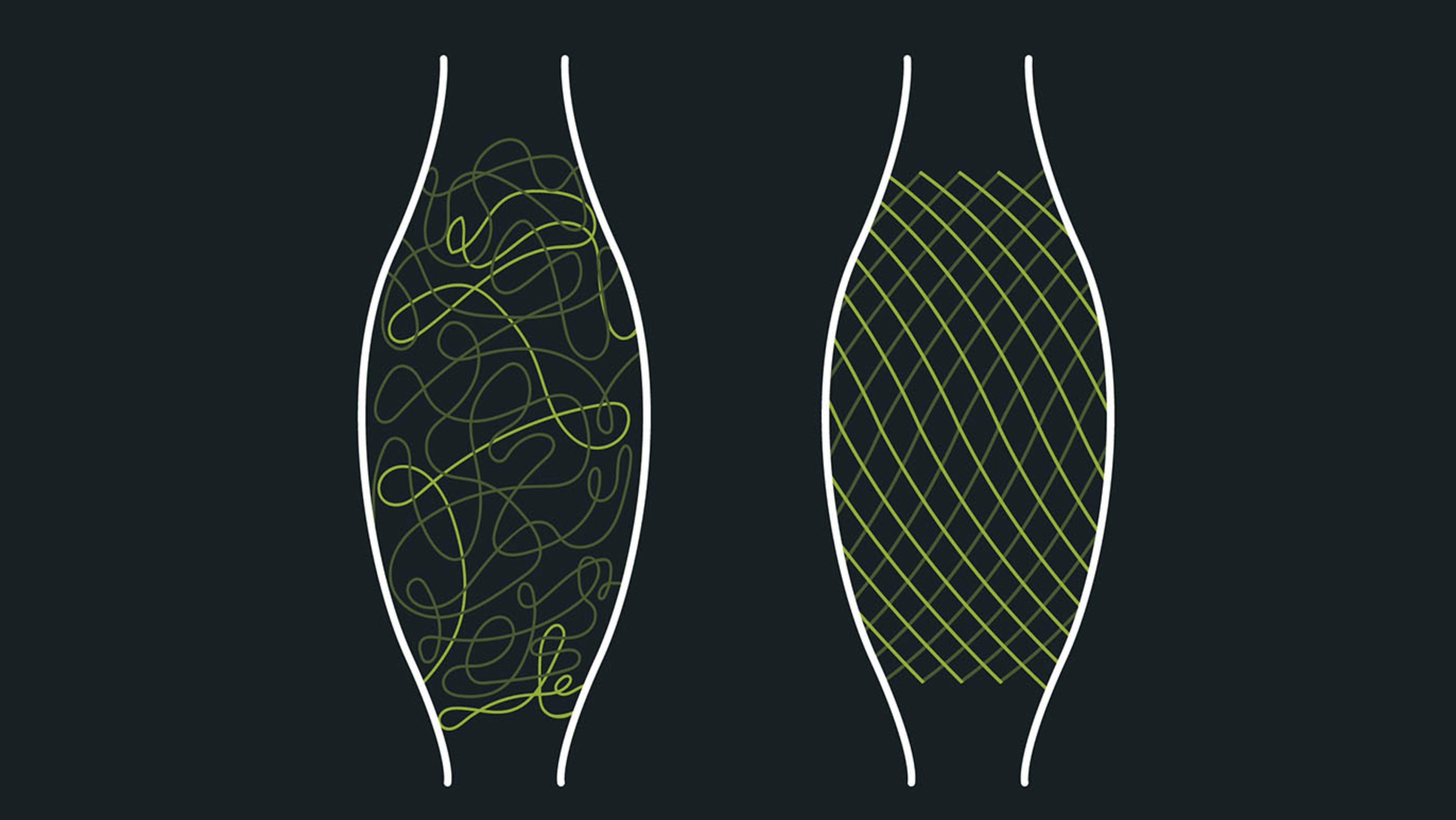
Healthy fascia is flexible, supple, well-hydrated, and supports the function of the structures it surrounds and permeates. When fascia is unhealthy, it contracts and becomes stiff, leading to a whole host of problems. Poor posture, limited mobility and strength, pain, and feelings of discomfort can all result. Even the quality of our sleep can suffer. The condition of our fascia affects everything in the body. That doesn’t mean that with healthy fascia we’ll never have cellulite again. It means we need to pay more attention to this connective tissue that connects everything in our body.
Causes of Unhealthy Fascia
Fascia shapes our body and plays a significant role in determining whether our skin is firm or not. If we want to keep our connective tissue supple, we must first ask ourselves: What does our fascia dislike, and what should we avoid in order to maintain a firm appearance of our skin?
Poor Body Structure and Biomechanics
The way we move and the posture we maintain for most of the day influence our body structure. If we find ourselves in a biomechanically unfavorable position, this contributes to our fascia becoming tangled.
Insufficient Hydration
Adequate hydration is essential for keeping the fascia healthy and, consequently, the connective tissue firm. Even the slightest change in the amount of fluid in the spaces between cells alters the properties of the fascial tissue. This, in turn, affects the way we move. How can you tell if you’re sufficiently hydrated? It’s simple: Your urine should be roughly the same color as the water you drink.
Nutrition
A healthy diet rich in water, healthy fats, antioxidants, and protein can improve the appearance of cellulite. Foods with high water content, such as cucumbers and berries, hydrate the skin, while omega-3 fatty acids in fish and nuts reduce inflammation. Antioxidants in fruits and vegetables fight free radicals and promote skin health. Whole grains and fiber support digestion and help reduce toxins. Adequate hydration and reduced sugar intake are also important for maintaining healthy connective tissue. Thus, a balanced diet can help strengthen connective tissue and reduce the appearance of cellulite.
Lack of Exercise
Fascia needs one thing above all else to stay healthy: exercise. To ensure blood flows to all structures in your body, the fascia must be stimulated. A variety of physical activities that raise your heart rate to 135 to 170 beats per minute are ideal. You can remember this formula: plenty of varied exercise = healthy fascia or healthy connective tissue
Chronic stress
Fascia reacts to stress by tensing up. This has been demonstrated by fascia researcher Robert Schleip in his studies. If our fascia is constantly under tension, it becomes matted, and the connective tissue loses its suppleness. If we want to keep our fascia healthy, we need to find the best way to manage our stress. For some, meditation or yoga works; others might try taking a walk in the woods. Find an activity that allows your nervous system to take a break from constant, chronic stress. Your fascia will thank you for it.
Conclusion: Fascia Roller for Cellulite
Finally, let’s reiterate that cellulite is not a disease or a sign that something is wrong with our connective tissue. In today’s world, cellulite is viewed as a “cosmetic flaw,” and women strive to achieve the ideal of a dimple-free butt.
Yet cellulite has existed for thousands of years, and no one ever seemed to care about it before. It wasn’t until the mid-20th century that numerous fashion magazines began referring to cellulite as a “plague.” Since then, women all over the world have been struggling with the dimples in their skin.
Acceptance and positive self-esteem work better than any anti-cellulite cream. Of course, it still makes sense to pay attention to your fascial health.
Less pain, better performance, more energy, and a general sense of well-being are just a few of the positive effects of a sustainable fascial wellness program. Tight connective tissue can be a pleasant side effect, but it’s not the main motivation.
Products for your myofascial self-massage: