
Scar Pain: Causes & Tips for Relief

Scars are a part of life—they result from surgeries, accidents, or burns, and they always tell a story. For many people, however, they’re not just visible marks but also something they can feel: They can tug, itch, or even cause real pain. Especially when symptoms persist for months or years, this can have a massive impact on daily life—whether during sports, physical activity, or even on a mental level.
That’s because scars don’t just affect the body. They can also take an emotional toll: Some people feel self-conscious about visible scars, while others see them as a lasting reminder of difficult times.
The good news: No one is alone in these experiences. Whether it’s a fresh surgical scar or an old injury—there are many ways to care for scars, relieve pain, and regain mobility. With knowledge, proper care, and a little patience, you can do a lot yourself to make your scar softer, more resilient, and less noticeable—and thereby improve your well-being.


Why do scars hurt?
Scars form when the body repairs damaged tissue with replacement tissue following an injury or surgery. Since this healing process is highly complex, it can cause various symptoms. According to studies, between 26% and 44% of those affected experience pain or itching associated with scars.
A common cause of scar pain is the involvement of nerve fibers: If they are injured, irritated, or misconnected during wound healing, this can lead to persistent pain, numbness, or abnormal sensations. Adhesions in the tissue, misconnected nerves, or reduced blood flow can lead to chronic pain.
Tensile stress in the tissue also plays a role. Especially in areas of the body that move a lot—such as the abdomen, joints, or chest—a scar may be under constant tension. This not only leads to pain but also to restricted mobility throughout the entire muscle-fascia chain. For example, a C-section scar can lead to headaches via the anterior myofascial connection.
Conversely, a lack of movement can also be problematic: If the scar is barely moved during the healing process, adhesions can form with deeper structures such as muscles or fascia, which exacerbates the symptoms.
In addition, many people affected by this condition are sensitive to changes in the weather. Changes in air pressure and temperature can put strain on the sensitive scar tissue and intensify pain.
The type of scar also plays a role: Hardened, raised, or particularly sensitive scars can cause persistent discomfort, a feeling of tightness, or itching. These include, among others, hypertrophic scars—which are thickened, raised, and protrude above the normal skin surface—or so-called keloids, which grow beyond the original wound.
Scar pain thus arises from a combination of nerve irritation, tissue tension, limited mobility, and external factors. The better a scar is cared for and mobilized, the less likely it is to cause long-term problems.
Dr. rer. nat. Torsten Pfitzer, pain expert

Note: If you’re unsure or experiencing persistent pain, it’s best to have your scar examined by a doctor—that way, you’ll be on the safe side.


Acute vs. Chronic Scar Pain
Acute scar pain usually occurs immediately after surgery, an injury, or a burn. It’s part of the normal healing process, as nerve endings are irritated and the tissue is still unstable.
Typical symptoms include tenderness, a pulling sensation, or a burning sensation, which occur in the first few weeks and should gradually improve over time. These symptoms are usually temporary and subside once the wound has fully healed and the scar softens. Chronic scar pain is diagnosed when symptoms persist for months or even reappear years after the injury.
The most common causes are scar adhesions, in which the tissue fuses with deeper structures such as muscles or fascia. Irritated or ingrown nerve fibers, impaired wound healing, circulatory disorders, or excessive tension in the tissue can also be the cause.
Note: The key difference between acute and chronic scar pain lies in the duration. While acute pain is normal and usually not a cause for concern in the first few weeks, chronic scar pain often indicates complications or permanent changes in the tissue and should be evaluated by a doctor.

Building and establishing routines. But how?
Discover the benefits of routines
Warning Signs & Risk Factors for Scar Pain
Not all scar pain is harmless—such as pain caused by changes in the weather. If you recognize the warning signs in time and take early action, you can often avoid pain and complications.
Serious warning signs may include:
Redness, swelling, warmth, oozing , or rapidly increasing pain —all of which may indicate scar inflammation or impaired wound healing. In such cases, those affected should seek medical attention promptly, as infections can spread and cause permanent tissue damage.
- Scars that are very hard, raised, or noticeably thickened also pose risks: These may be hypertrophic scars or keloids, which are not only cosmetically unsightly but can also cause a feeling of pressure and pain.
- Another warning sign is very tight or adherent scars that restrict movement and cause problems in daily life—such as when stretching, bending, or rotating certain parts of the body. Such scars can be further irritated by constant tension and repeatedly cause discomfort.
- Risk factors also include poor blood circulation, poor lymphatic drainage, diabetes, smoking, or inadequate scar care. These can trigger wound-healing disorders that increase the likelihood that scars will later become painful or cause functional problems.
Treatment Options for Scars
Good—and, above all, early—scar care often determines whether a scar bothers you in your daily life or is barely noticeable. Whether it’s massage, skincare, or exercise: even small steps can have a big impact on scar healing. Here are our tips for you:
Scar ointments and creams containing dexpanthenol (provitamin B5), vitamin E (tocopherol), allantoin, or hyaluronic acid are a proven way to moisturize the tissue and keep the skin soft and supple. Castor oil is also a tried-and-true home remedy for scar care.
Tip: It’s important to apply ointments, creams, or gels consistently and regularly—ideally following your doctor’s recommendations. For fresh surgical scars, you should always check with your doctor first to find out when you can start using skincare products.
Dr. rer. nat. Torsten Pfitzer, pain expert
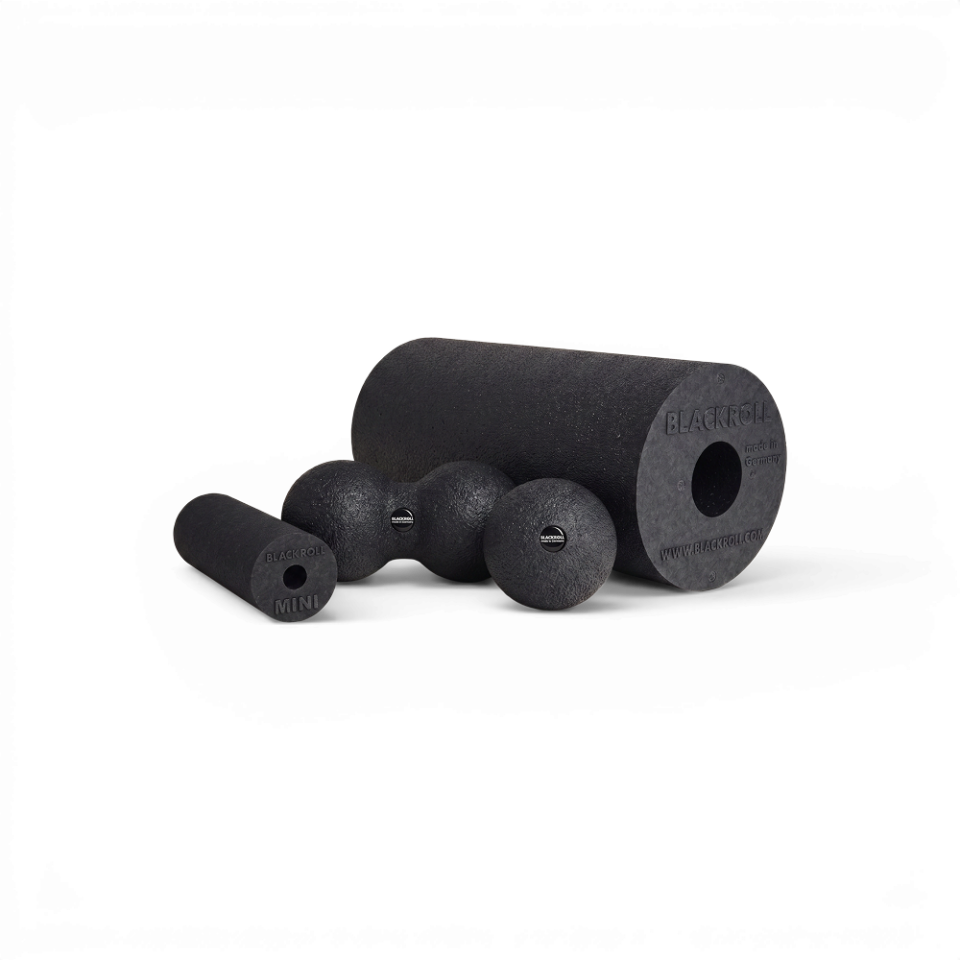
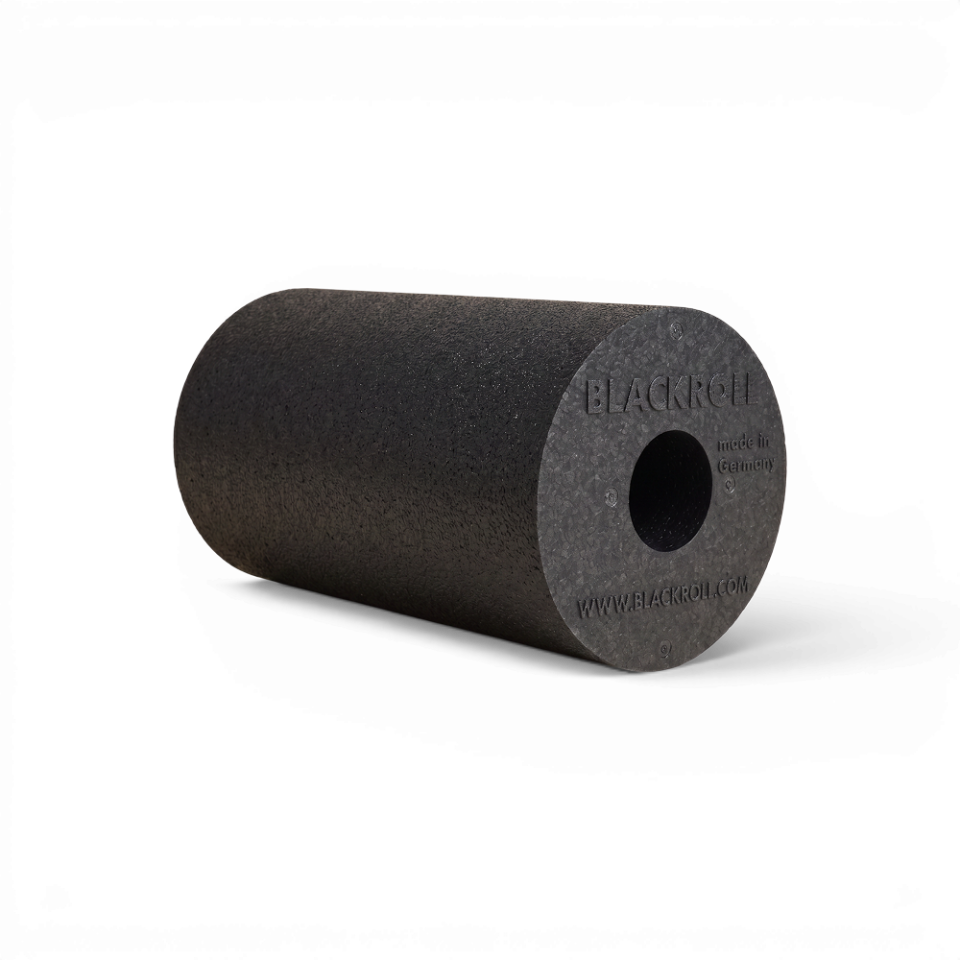
Scar massage is just as important. Using gentle, circular motions—ideally done daily—can help break up adhesions in the tissue, stimulate blood flow, and promote regeneration. Special massage aids or soft fascia tools can further enhance the effect. Jojoba oil, almond oil, castor oil, or coconut oil moisturize the skin, improve its elasticity, and facilitate the massage movements.
For more severe or chronic pain at the scar site, medical therapies are available. Laser treatments can smooth out scar tissue, or targeted injections into the scar can reduce pain. In severe cases, surgical intervention may also be necessary to correct the scar.
Physical therapy and osteopathy can help make scars more supple and significantly reduce pain. Using targeted manual techniques, therapists release adhesions in the tissue and improve blood circulation. Special stretching exercises and movement programs prevent scars from hardening or permanently restricting movement. In addition, methods such as vibration, ultrasound, microcurrent, or heat treatments can be used to stimulate metabolism in the affected tissue and promote regeneration.
Exercise and nutrition have a significant impact on scar healing. Regular physical activity stimulates blood flow, keeps the myofascial tissue supple, and thus supports the healing process. However, what’s on your plate is just as crucial, because regularly incorporating essential nutrients into your daily routine lays the foundation for a stable and elastic scar:
Protein: Proteins are the building blocks of connective tissue. They provide the amino acids the body needs to form new tissue and, above all, collagen. Good sources include fish, lean meat, legumes, nuts, and dairy products.
Vitamin C: Promotes collagen synthesis and strengthens the immune system. It is particularly abundant in bell peppers, broccoli, citrus fruits, and berries.
Vitamin A & Zinc: Both support cell division and wound healing. Carrots, sweet potatoes, and pumpkin (vitamin A), as well as pumpkin seeds, oatmeal, and lentils (zinc), are excellent sources.
Omega-3 fatty acids: Have anti-inflammatory effects, can reduce swelling, and keep tissues supple. They are found in fatty fish (salmon, mackerel), flaxseeds, and walnuts.
Fluids: Adequate water intake supports tissue elasticity and ensures that nutrients are transported efficiently.

Scar Pain: Home Remedies & Care
In addition to conventional medicine, there are many gentle, natural remedies that can relieve pain and make scars more supple.
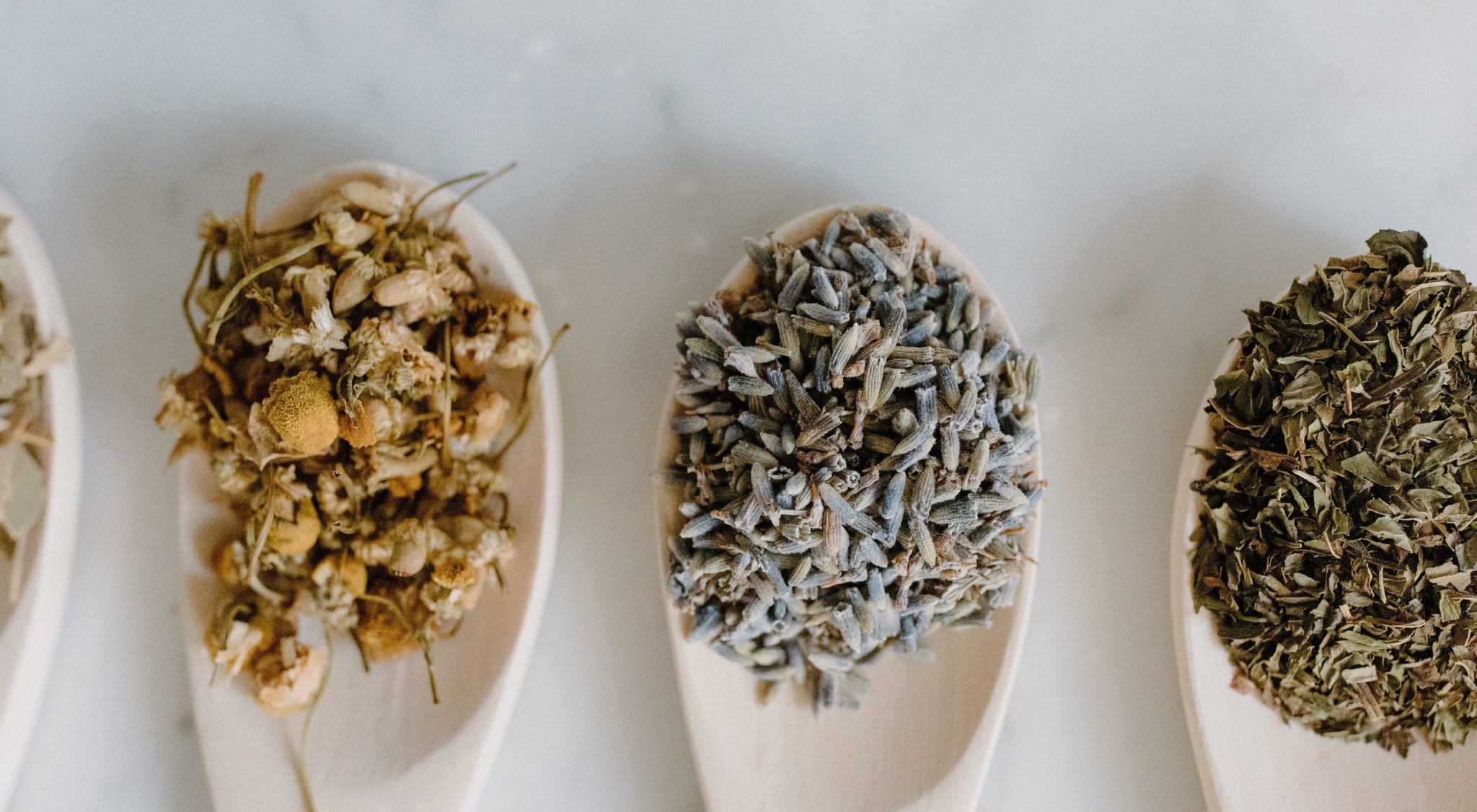
Plant-based oils such as calendula, jojoba, or almond oil moisturize the skin and keep the tissue elastic. Aloe vera has a cooling and soothing effect, while chamomile or lavender oil has anti-inflammatory properties and can reduce feelings of tightness.
Quark or healing clay wraps are also traditionally used to relieve swelling and overheating.
Silicone gels or patches available at pharmacies are considered effective for smoothing the skin and softening scars.
Tip: It’s important not to irritate the skin—so home remedies should always be tested for compatibility and applied only to completely intact skin.
Medications for scar pain
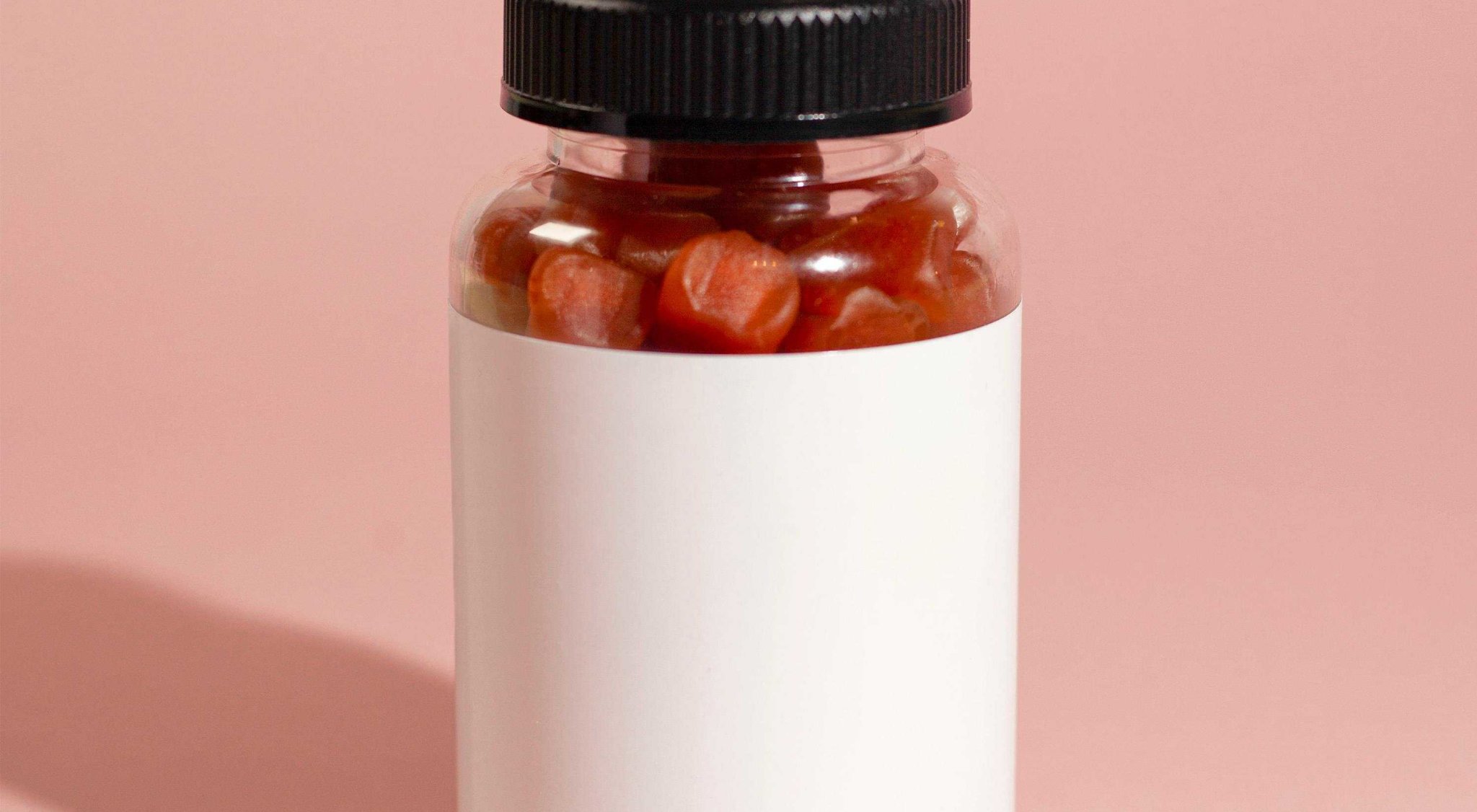
If home remedies and skin care alone aren’t enough, medications can help relieve the symptoms. Mild pain can often be treated with over-the-counter pain relievers like ibuprofen or acetaminophen, which also have anti-inflammatory effects. As an alternative with fewer side effects, natural enzyme supplements containing papain, bromelain, and rutoside can be used.
- For more severe or persistent pain, prescription medications are sometimes used, such as local anesthetics in the form of creams or patches that temporarily block pain signals from the nerves.
- In specific cases, doctors may also use cortisone injections to inhibit excessive scar tissue growth, or antihistamines if severe itching is the primary symptom.
Note: You should never take medication on your own for an extended period of time; instead, always consult a doctor about your treatment to avoid side effects and risks.


When should you see a doctor for scar pain?
Scars can change over time—sometimes without any noticeable changes, but sometimes accompanied by new symptoms. If a scar suddenly:
becomes very painful,
- radiates pain
- feels hard,
- a painful lump is felt under the skin,
- it starts to itch, or
- even becomes inflamed,
those affected should definitely seek medical attention.
It is completely normal for scars to itch, because the skin is constantly in motion during the healing process. This is because nerve fibers that were severed during an injury or surgery slowly grow back together. In the process, they send uncoordinated signals that the brain interprets as an itch. At the same time, the tissue tightens as collagen is remodeled, which further irritates the skin. This is usually a normal part of wound healing—but if it doesn’t stop or is accompanied by redness, swelling, or pain, you should have a doctor take a look.
The appropriate specialists are usually dermatologists, surgeons, or—in the case of scars that limit function—plastic surgeons. A medical evaluation is particularly important if redness, warmth, swelling, or discharge also occur, as these symptoms may indicate an infection.
Professional treatment is also advisable if a scar limits your mobility—for example, when extending or bending joints—or if it causes you ongoing discomfort in your daily life.
Through examinations, doctors can determine whether the condition is part of a normal healing process, scar inflammation, or excessive scar tissue such as keloids. Depending on the findings, various treatments are available.
Follow-up care plays a crucial role in managing scars, as regular checkups and tailored care prevent further damage, support healing, and help reduce pain in the long term.
Tip: The rule of thumb is: The sooner noticeable changes are examined by a doctor, the better the chances of avoiding complications and effectively relieving pain.


FAQ: Frequently Asked Questions About Scar Pain
Scars can hurt when nerve fibers are damaged or irritated, adhesions form, or the tissue is under tension. Changes in weather and hardened scar tissue can also make the pain worse.
Gentle scar massage, special scar ointments or gels, exercise, and heat or cold therapy can relieve the pain. For severe discomfort, physical therapy, laser treatment, or injections can help.
Fresh scars are often sensitive for several weeks to months. If the pain persists longer or recurs years later, it is referred to as chronic scar pain.
Moisturizing creams and silicone gels, which keep the skin supple, have proven effective. Oils, such as castor oil, also show good results. In cases of inflammation, cortisone-based preparations may be prescribed by a doctor.
Yes, old scars can suddenly cause discomfort—for example, due to adhesions, nerve irritation, or sensitivity to weather changes. In such cases, it’s advisable to consult a doctor.
If the scar is very painful, red, swollen, feels warm, is oozing, or restricts movement, a visit to a dermatologist or surgeon is strongly recommended.
Many people report that their scars hurt or feel tight when exposed to cold, heat, or changes in air pressure. This is related to the sensitivity of the scar tissue.
Yes, scar inflammation is possible. Typical warning signs include redness, swelling, warmth, pain, and discharge. If you experience these symptoms, you should seek medical attention immediately.


Conclusion
Scar pain can significantly impact daily life. The good news: With targeted care, gentle massage, and modern treatment options, symptoms can be significantly alleviated in most cases. It’s important to care for the scar early on, move it regularly, and seek medical advice if problems persist. This helps keep the tissue soft, elastic, and better supplied with blood.
A well-cared-for scar can regain mobility, become more resilient, and be less noticeable—thereby improving your body image and range of motion. By closely monitoring your scar and providing it with the necessary care, you lay the foundation for long-term healing. If you experience persistent scar pain or have any concerns, always consult your doctor.
More Articles







Sources & Studies
Farrukh, O., & Goutos, I. (2020). Scar symptoms: Pruritus and pain. In Textbook on Scar Management (pp. 87–101). Springer. https://doi.org/10.1007/978-3-030-44766-3_10
University of Michigan Health. (n.d.). Scarred nerves. University of Michigan Health. Retrieved October 17, 2025, from https://www.uofmhealth.org/our-care/specialties-services/scarred-nerves
Paracelsus Clinics (2022): When Scars React to the Weather. Retrieved October 17, 2025, from https://www.paracelsus-kliniken.de/wenn-narben-aufs-wetter-reagieren/