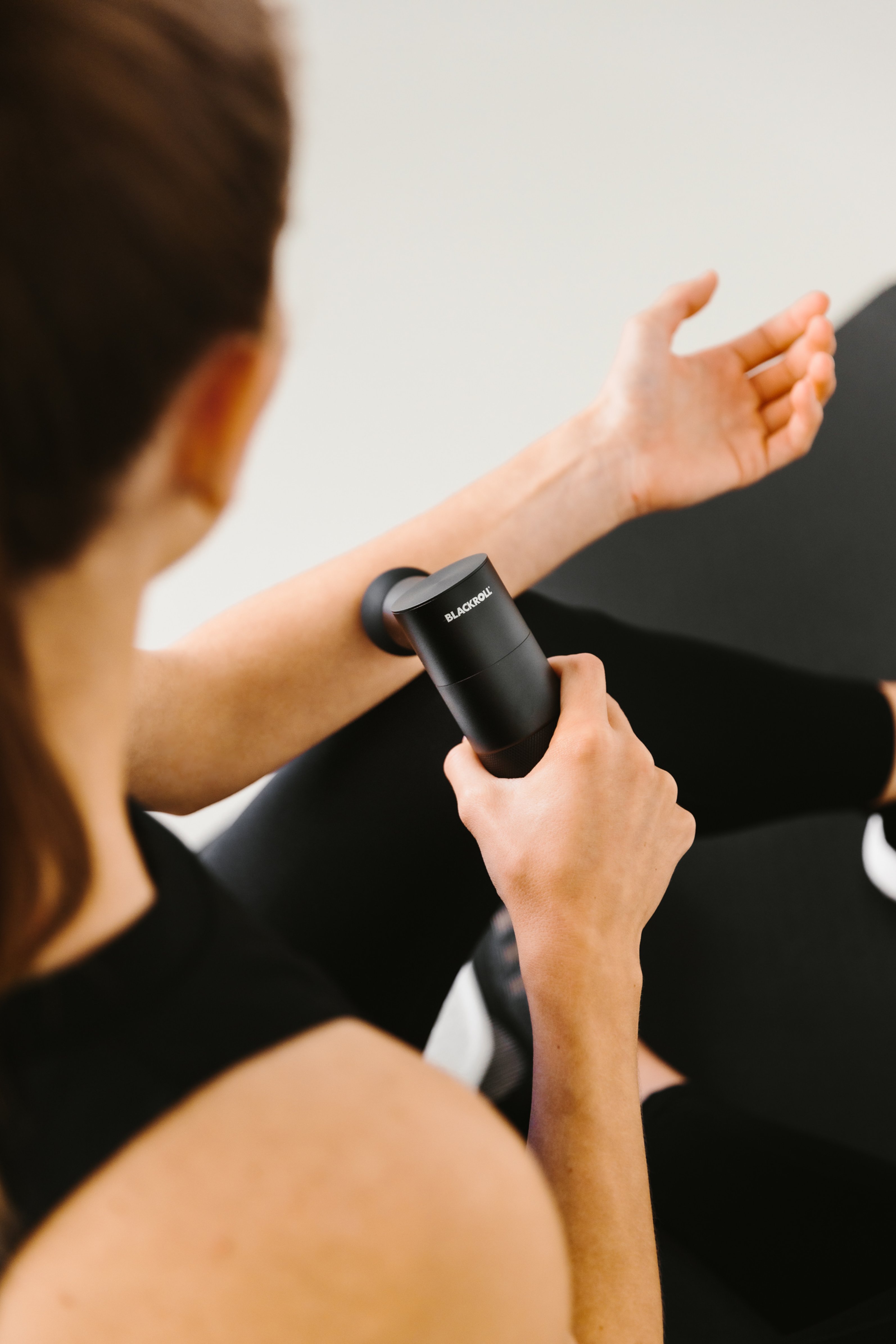
Pain Relief Through Vibration Massage

Do you suffer from acute or chronic pain in your daily life, after exercising, or as a result of conditions such as osteoarthritis? If so, finding an effective, well-tolerated method for pain relief is especially important. One promising option is vibration massage, which can be used to specifically relieve pain. In this article, you’ll learn how vibration massage can suppress pain signals, what effects studies have demonstrated, and how to cleverly integrate it into your daily routine.

What is vibration massage?
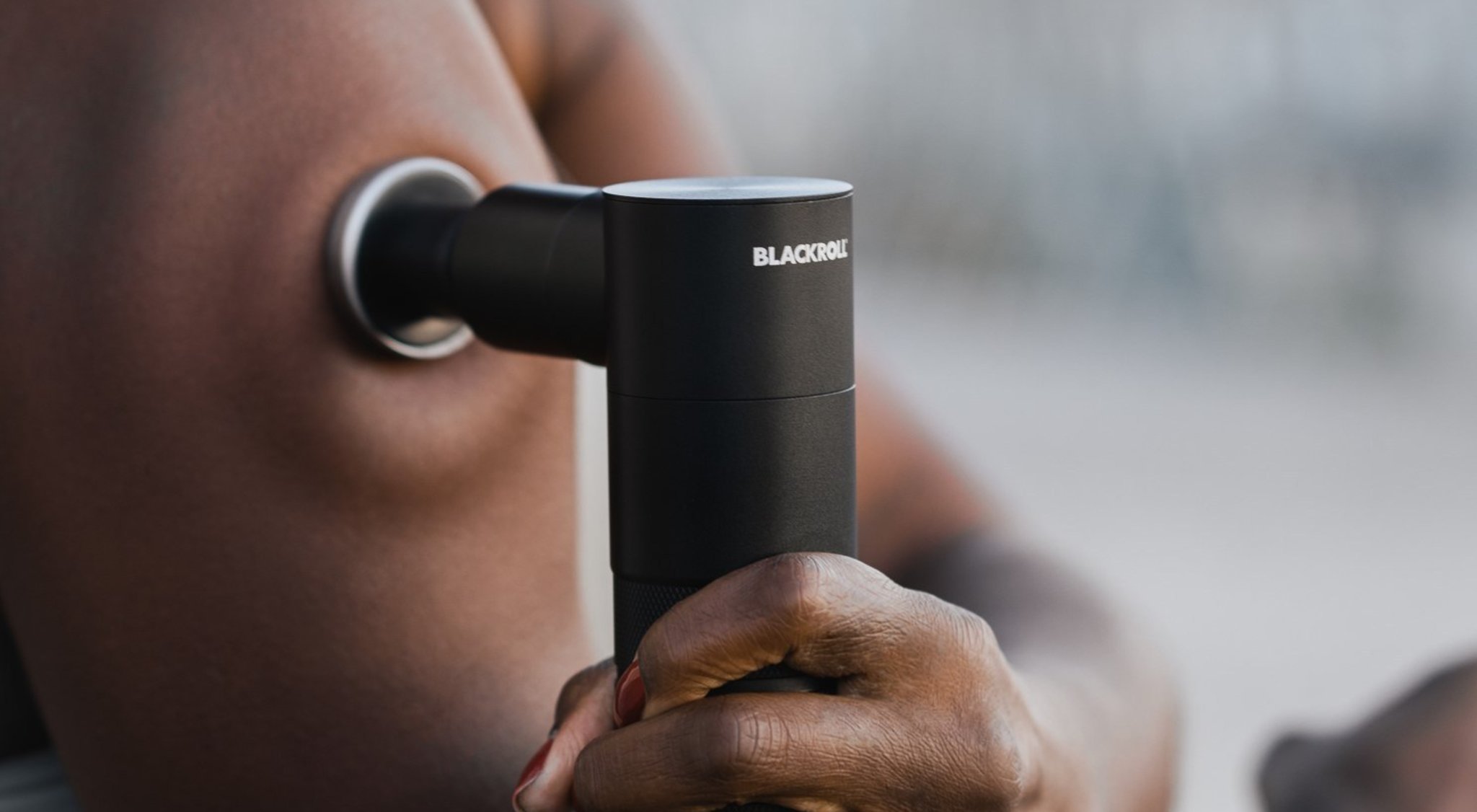
Vibration massage is a specialized form of therapy in which high-frequency mechanical vibrations are applied specifically to muscles and fascia. Unlike traditional massages, which apply pressure by hand, vibration massage stimulates additional receptors. The goal is to relieve pain and release tension—with minimal effort but noticeable results.
You can read more about the basics of vibration massage in the general overview article by BLACKROLL®.


How does vibration massage help with pain?
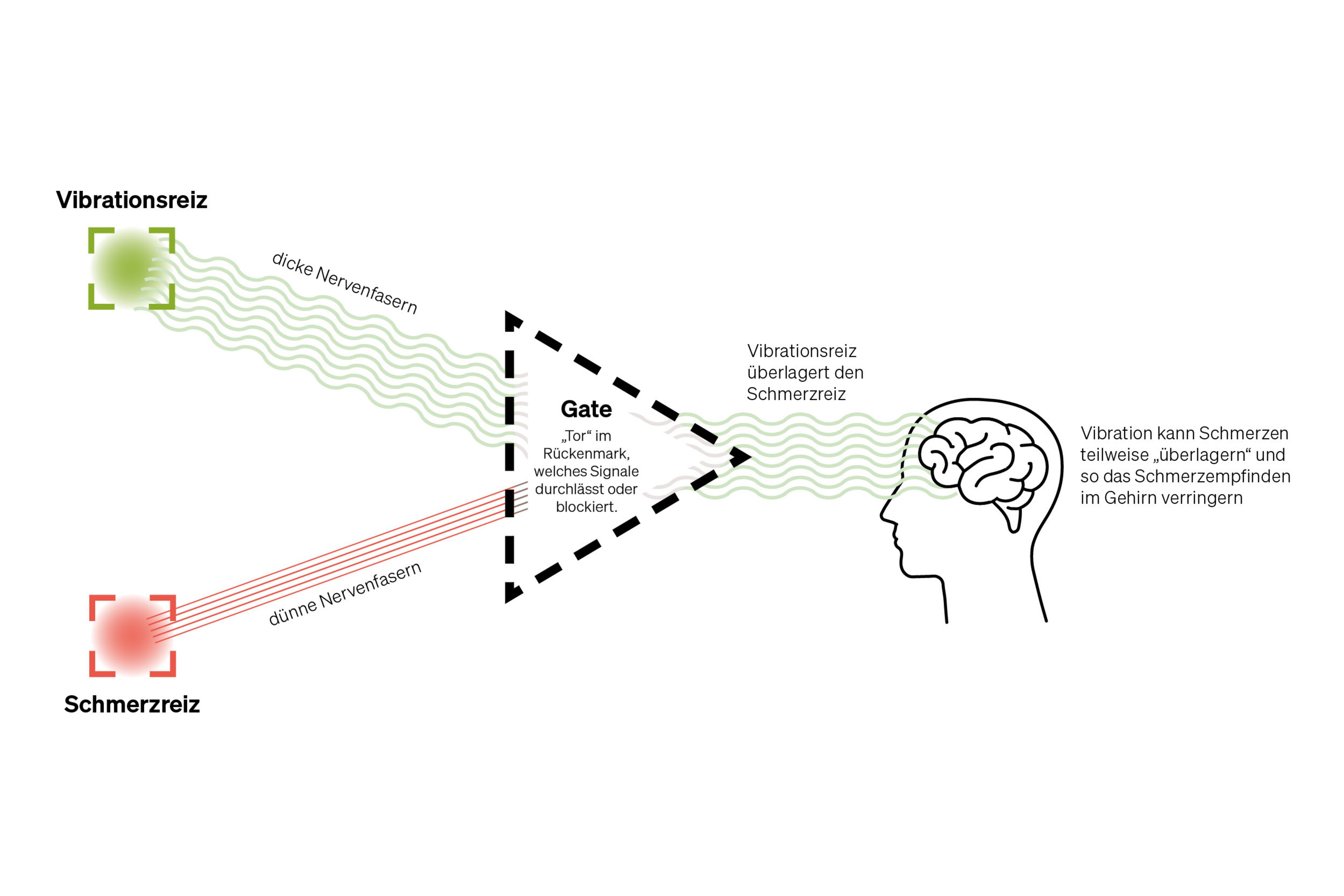
A vibration massage can affect pain on several levels. The mechanical vibrations stimulate so-called mechanoreceptors in the skin and muscles. These stimuli compete with pain signals in the nervous system and, according to the gate-control theory, can dampen their transmission—as a result, the brain perceives less pain.
In addition, vibration can improve local blood flow and microcirculation. This supports tissue perfusion and facilitates the removal of metabolic byproducts, which are often associated with pain and tension.
The muscles also benefit: The vibrations affect muscle spindles, which can trigger reflexive relaxation. This can noticeably reduce muscular tension and tension-related pain.
Connective tissue and fascia also respond to vibration, which positively affects their elasticity and glideability. This can make the tissue feel more supple, which improves mobility and indirectly relieves pain.
Overall, vibration massage thus offers multimodal support for pain —especially for muscular discomfort, tension, and strain-related pain. For chronic pain syndromes, it is recommended as a complementary measure within a holistic approach.
Discover more articles






Pain Relief Through Vibration Massage: The Current State of Science
The effects of vibration massage on pain have been extensively researched in recent years. Systematic reviews and new studies show that vibration massage can provide significant relief, particularly for musculoskeletal pain, back pain, muscle soreness, and osteoarthritis. For example, a randomized, controlled study involving patients with osteoarthritis demonstrated that pain and mobility improved significantly after three weeks of regular vibration therapy—without any side effects.
Further research indicates that both low-frequency and higher-frequency vibration massage have positive effects, although lower frequencies are often perceived as more pleasant.
The effects of local vibration massage have been scientifically studied since the 1970s. Studies show that it can provide noticeable relief, particularly for musculoskeletal pain, back pain, delayed onset muscle soreness (DOMS), and osteoarthritis.
For example, a randomized, controlled study involving patients with osteoarthritis demonstrated that pain and mobility improved significantly after just three weeks of regular vibration therapy—without any side effects. Further research confirms that both low- and high-frequency vibration are effective, although lower frequencies are often perceived as more pleasant.
The effect is particularly well documented for acute muscle pain and delayed onset muscle soreness (DOMS). Ayles et al. demonstrated that pain is reduced when vibration is applied simultaneously with pressure to the muscles; Weerakkody et al. confirmed this effect in a model of artificially induced muscle pain.
A randomized study by Guieu et al. also found that the combination of vibration and TENS is even more effective—presumably via the same mechanism described by the gate control theory.
For muscle soreness, several studies (including those by Sahebazamani et al., Koeda et al., Hakami et al., and Kim et al.) have demonstrated that preventive local vibration before exercise reduces swelling, pain, and restricted movement.
As a result, vibration massage is now considered an effective adjunct to pain relief —both for acute muscular complaints and as a supportive treatment for chronic pain syndromes.
Exercises with the BLACKROLL® Booster
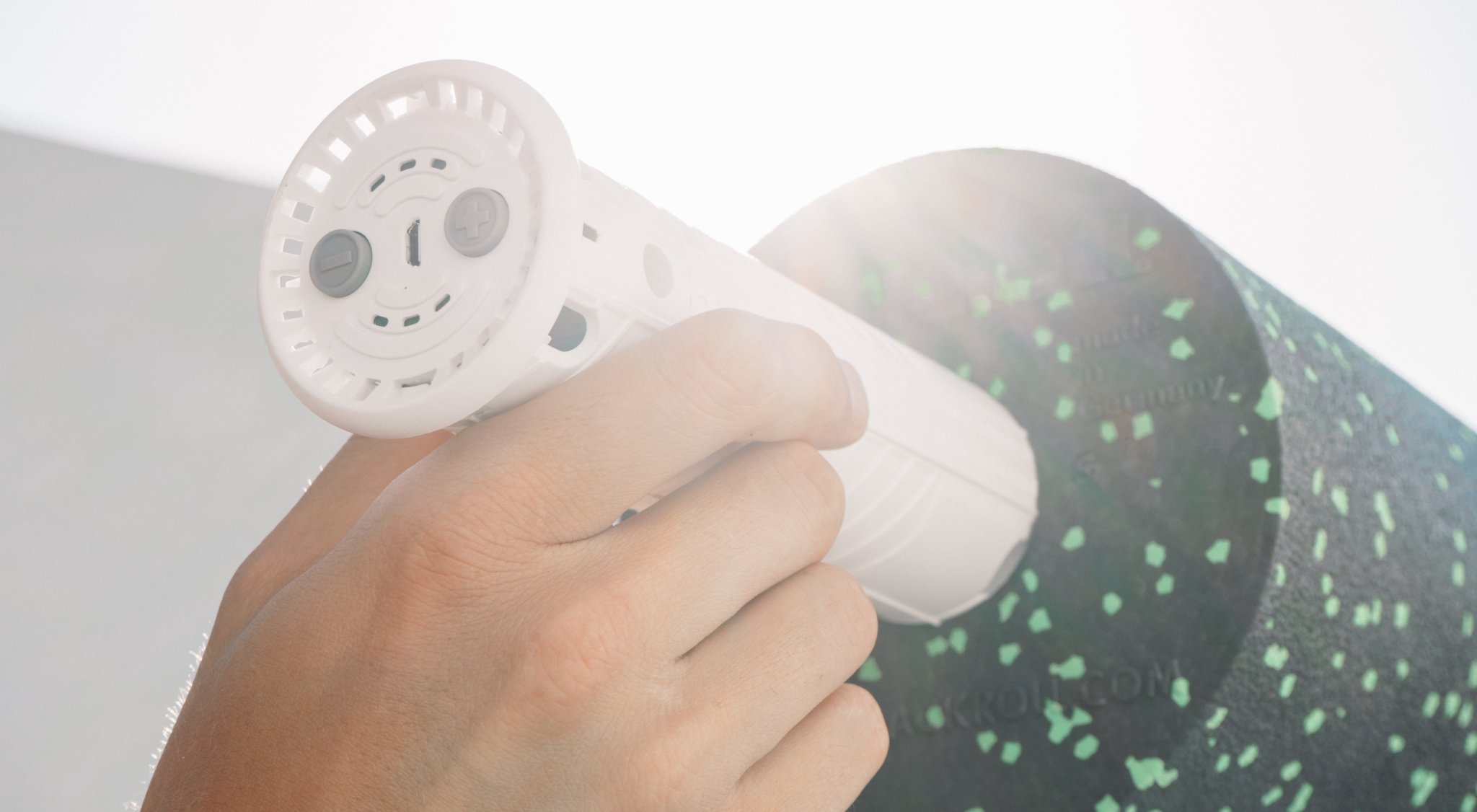
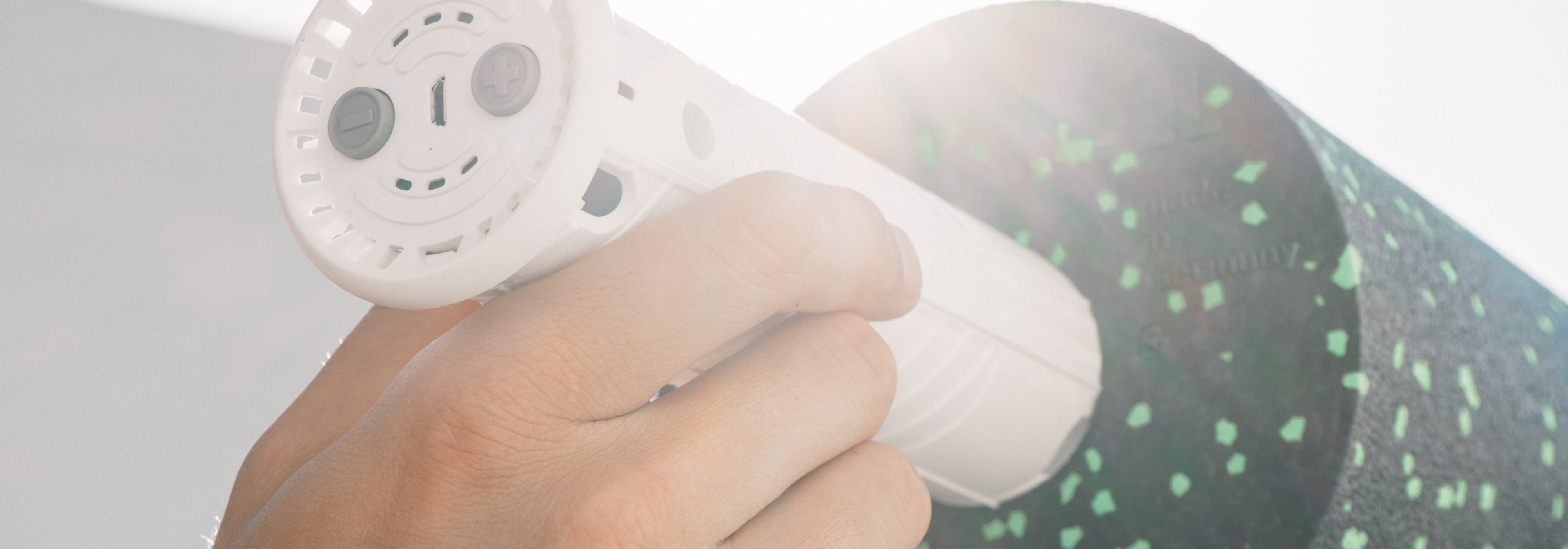
Vibration massage for back pain and muscle tension
Back pain is one of the most common complaints in everyday life—especially among those with sedentary jobs, athletes, or as people age. Many of these complaints are muscle-related. Targeted vibration massage can help relax tense muscles in the shoulder, neck, and back areas, which can significantly relieve pain.
Localized vibration also has positive effects on general muscle tension or painful trigger points in the muscles. The vibrations stimulate blood circulation, promote reflexive muscle relaxation, and can thereby reduce feelings of tension and pain. Thus, vibration massage is an effective tool in everyday life for relieving muscle tension and improving mobility.
You can find specific tips on how to use this method correctly in your daily routine in our BLACKROLL® back routines and in the guide for relieving muscle tension.
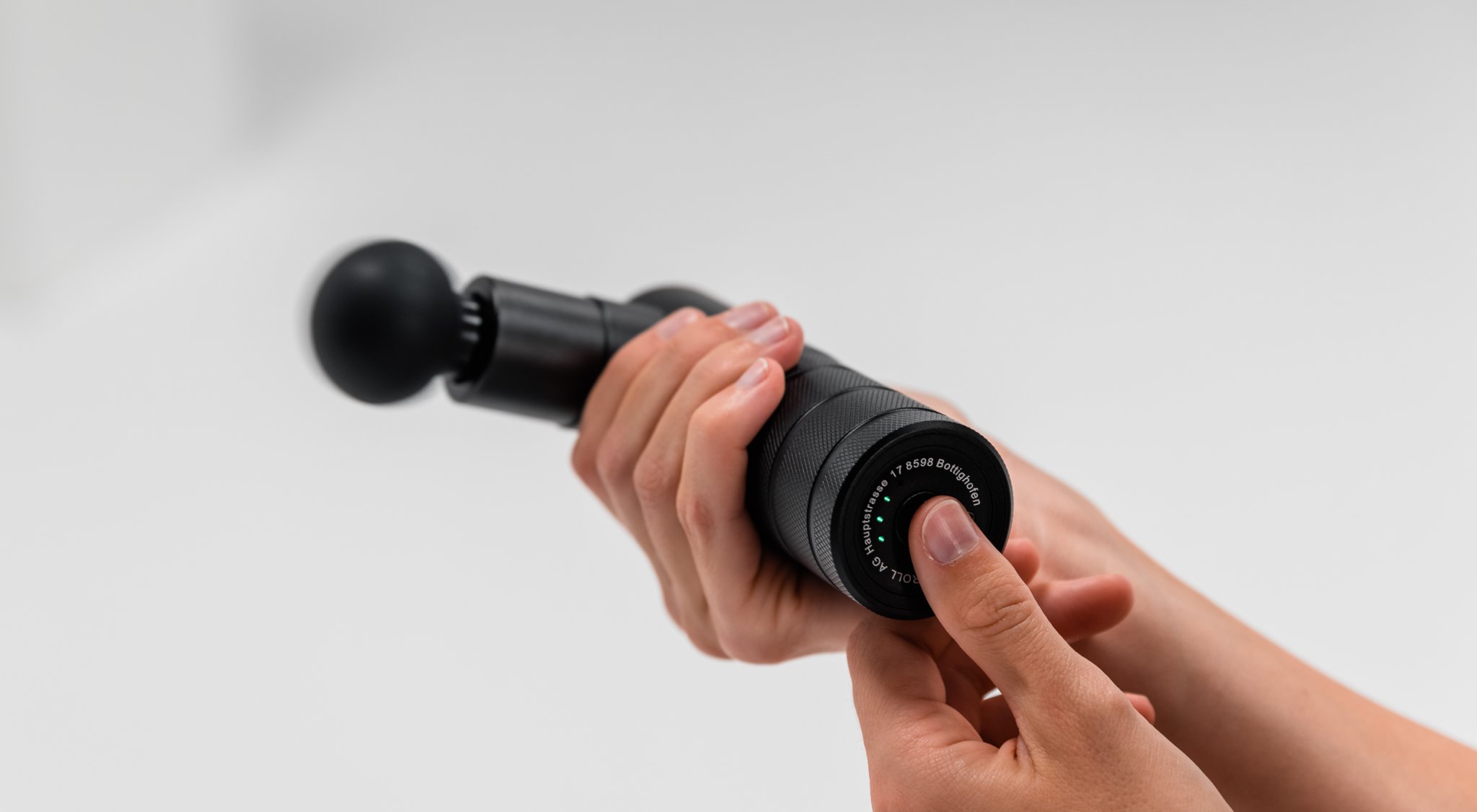
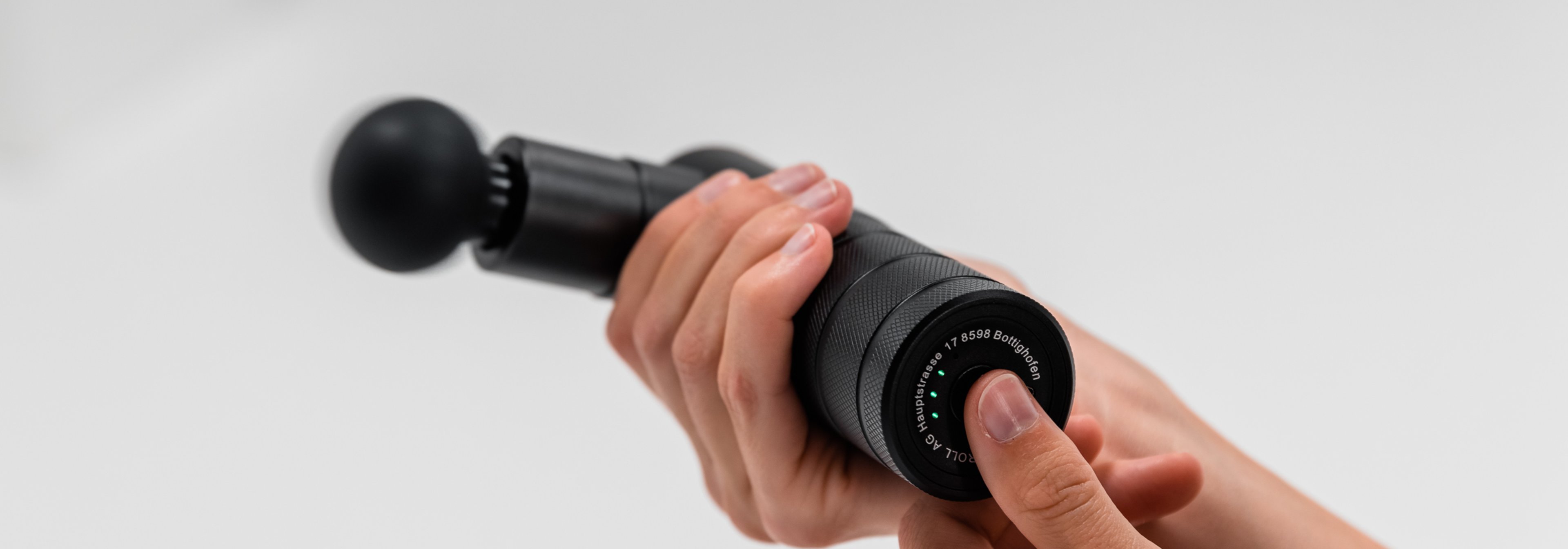
Vibration Massage for Chronic Pain
For chronic pain —such as that associated with osteoarthritis, chronic muscle tension, or old injuries—vibration massage can be a valuable aid. Studies show that regular use can help reduce pain, relax muscles, and improve mobility. Many people affected report a noticeably improved quality of life as a result, especially when the massage is used as a complement to physical therapy or medical treatments.
For older adults or people with limited mobility, vibration massage also offers a simple way to become more active again despite pain. It is important to note that vibration massage is not a substitute for medical treatment, but rather a useful complement to it—always tailored to the individual’s situation and in consultation with healthcare professionals.
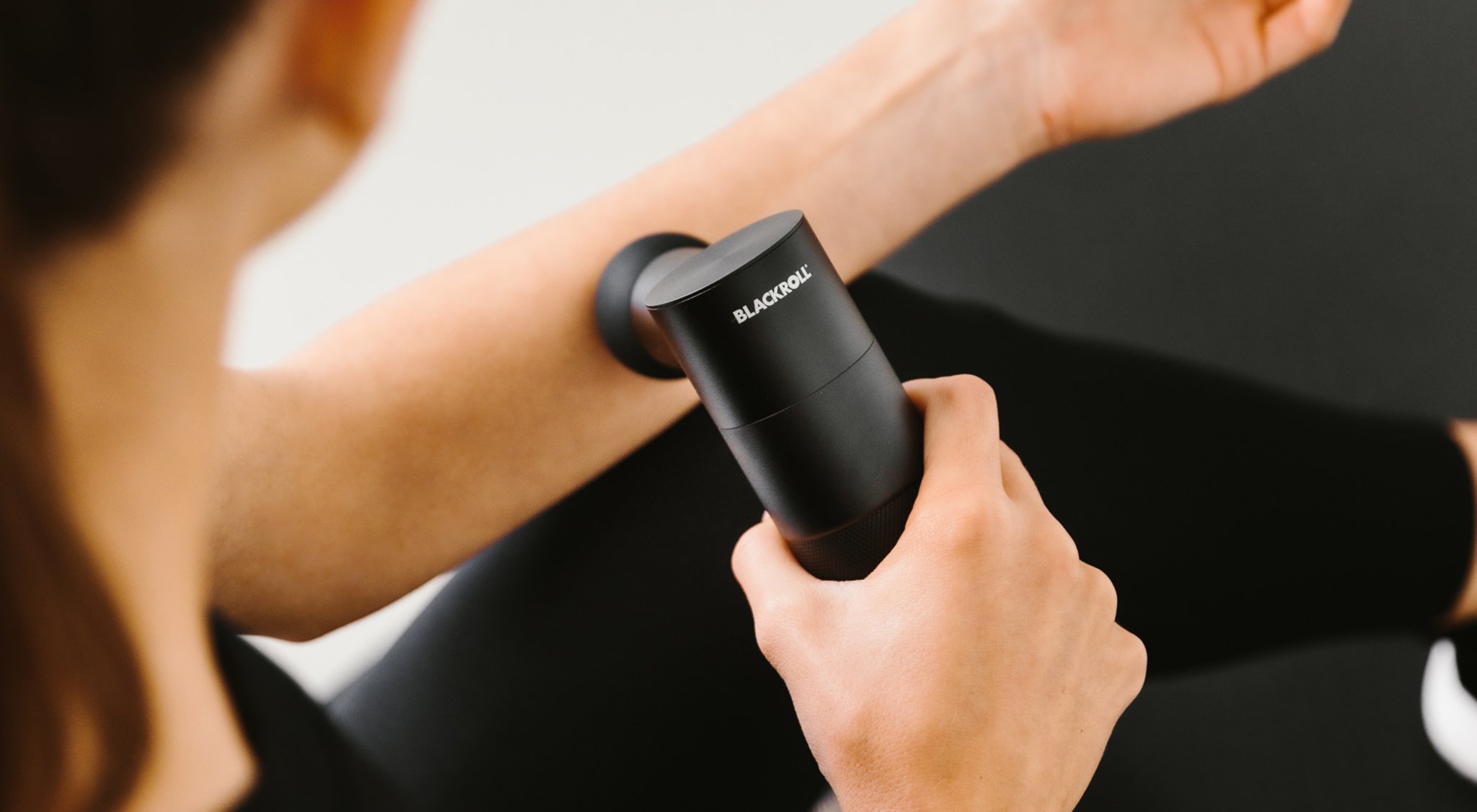

Practical Application – Vibration Massage for Pain Relief
When performing vibration massage, always focus on the soft muscle and fascia tissue —never directly on bones or joints. It’s best to start with large areas (e.g., along the entire back or leg muscles) and then work your way toward more specific areas, such as local tension or trigger points.
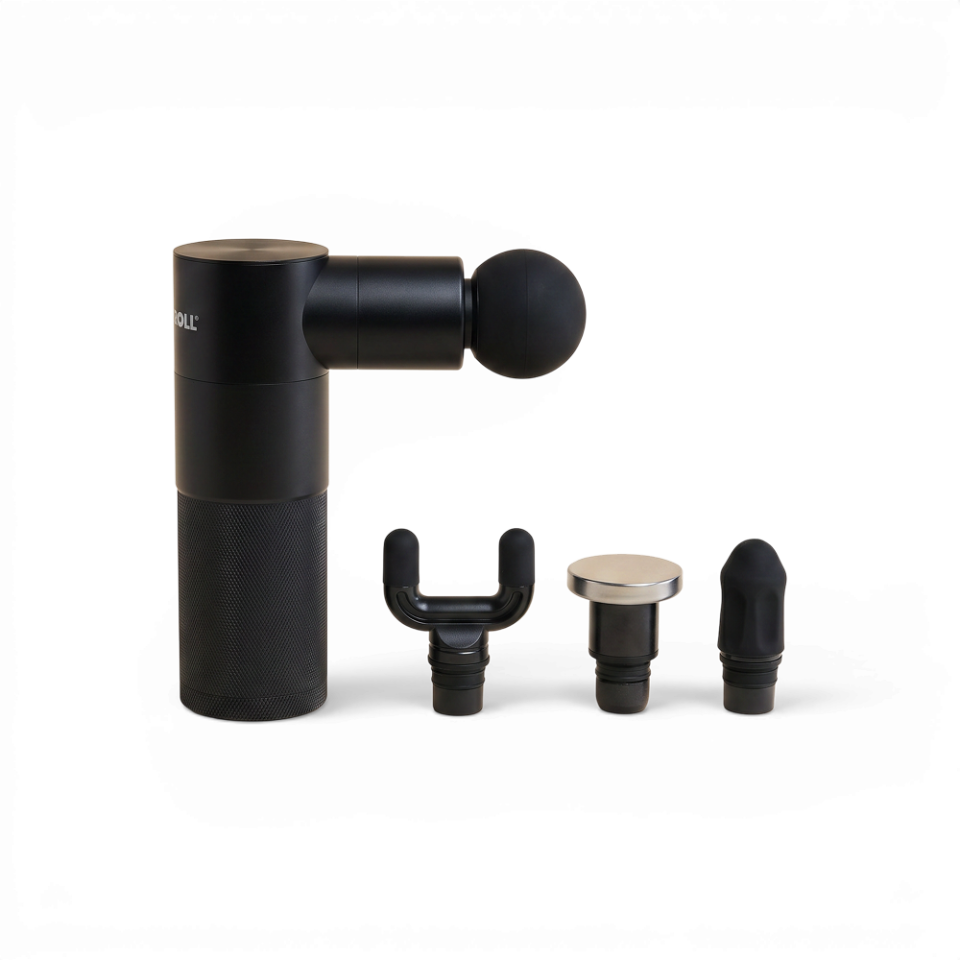
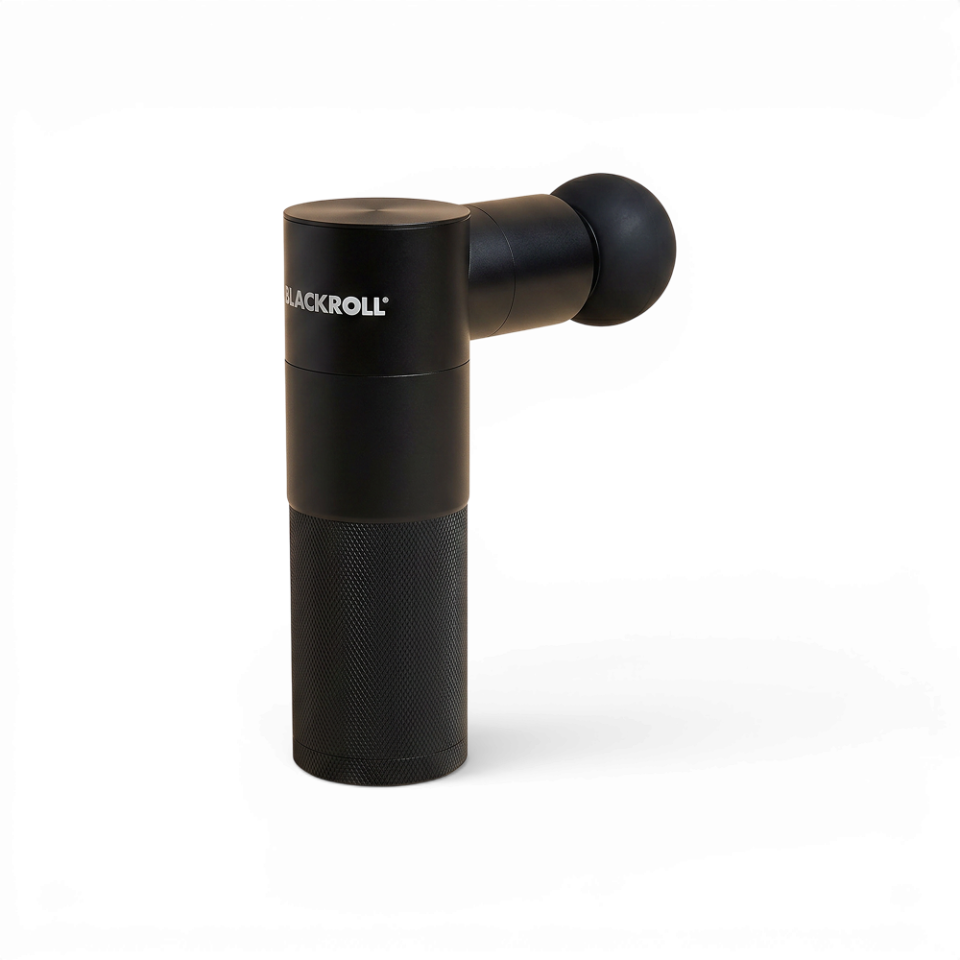
Low frequencies are particularly important for a relaxing and pain-relieving effect. When using the FASCIA GUN or the BOOSTER, select level 1–2 to achieve a pleasant sense of relaxation and avoid reflexive counter-tension in the muscles. For each muscle group, 1–2 minutes is usually sufficient, up to a maximum of 5 minutes, depending on how you feel. The key is regular, mindful use, tailored to your individual needs.


Who is vibration massage suitable for?
Vibration massage is particularly suitable for people with back pain caused by prolonged sitting, athletes with sore muscles, older adults with osteoarthritis or limited mobility, and anyone suffering from stress-related tension. It’s easy to use and can help relieve pain and improve mobility.
However, there are situations in which you should exercise caution: In cases of acute inflammation, recent injuries, or surgery; during pregnancy (especially in the abdominal area); and if you have severe cardiovascular disease or implanted devices such as a pacemaker, you should definitely consult a doctor beforehand. As a general rule: If you’re unsure, consult a doctor or physical therapist beforehand.


FAQ
Useful information
Through targeted vibrations, vibration massage stimulates your nervous system and can inhibit the transmission of pain signals. At the same time, it can relax tense muscles and stiff fascia—which often helps alleviate pain.
Many people feel relief after just a few minutes. With regular use, users often report lasting relief.
When used correctly, side effects are rare. If you massage too hard or for too long, you may experience muscle soreness or mild irritation.
Generally, two to four times a week is sufficient. For acute pain, you can also use it daily—as long as it remains comfortable. One to two minutes per muscle group, up to a maximum of five minutes, is recommended.
Compact massage devices (e.g., massage guns) are suitable for targeted applications, while foam rollers with a vibration function are better for larger muscle groups. Which option is more comfortable for you depends on your personal needs.
Studies and user reports suggest that vibration massage can have positive effects—especially for chronic back pain, osteoarthritis, or recurring muscle tension. However, it is not a substitute for medical or physical therapy treatment; rather, it can be a useful complement to such treatments.


Comparison of Vibration Massage Devices
Depending on your needs, different devices are suitable for everyday use:
- Massage guns provide targeted relief for localized pain points and tension, as they can be applied precisely and with control.
- Fascia rollers with a built-in vibration booster are ideal for larger muscle groups and widespread tension, such as back pain, sore muscles, or stress-related tension.
- Vibration plates allow for a particularly gentle, passive form of exercise. They can be a practical addition for people with limited mobility or for older adults.
Which device is best for you depends on your personal goals and needs.
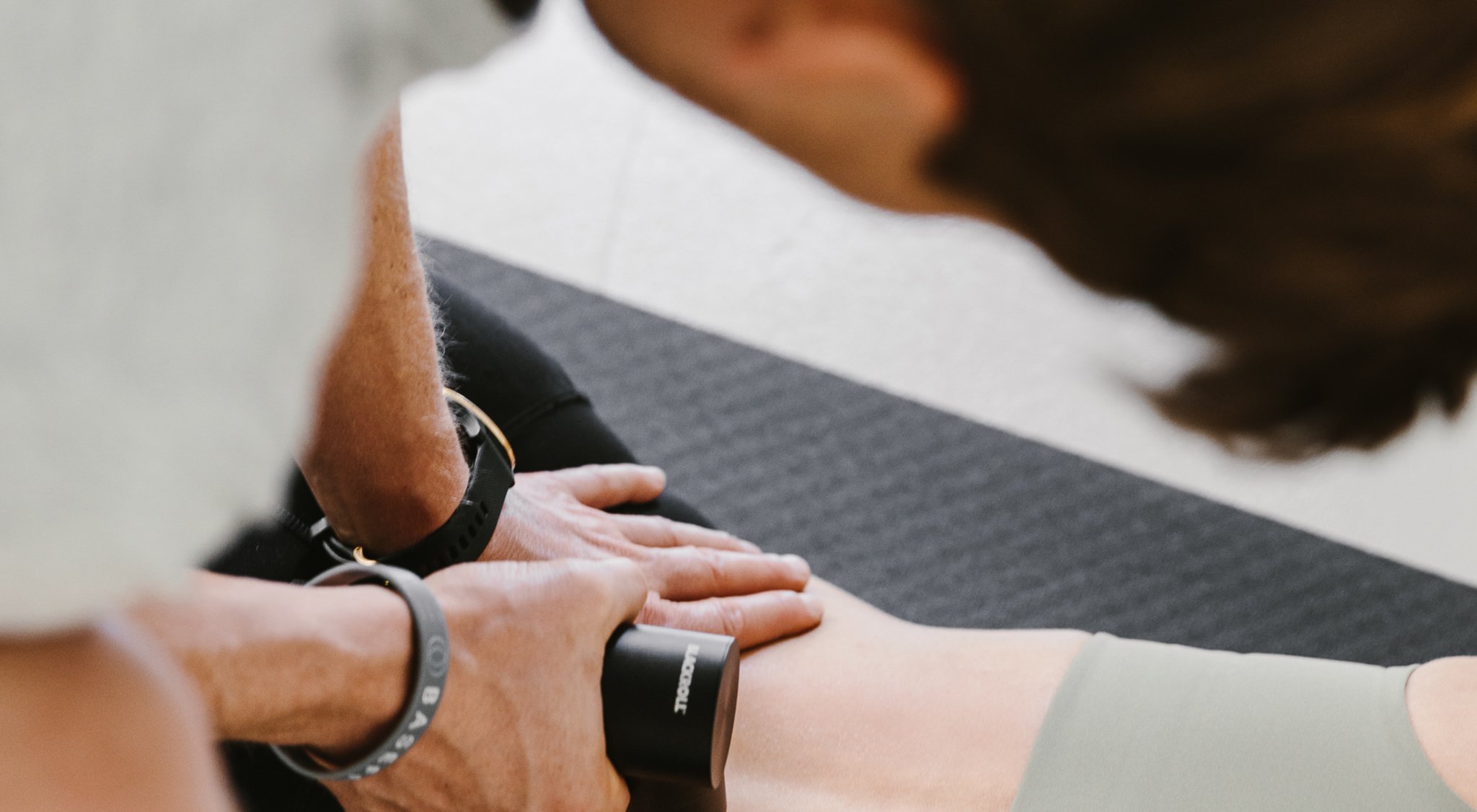

Tips for Pain Relief with Vibration Massage
To ensure that vibration massage is as effective as possible, follow a few simple guidelines: Start gently and increase the intensity only gradually. Always listen to your body—if something feels uncomfortable, reduce the pressure or take a break.
If you’re unsure or have pre-existing medical conditions, it’s best to consult a doctor beforehand. Vibration massage is most effective when used regularly and mindfully over several weeks —always at a level that feels comfortable to you.
More interesting articles


Sources & Studies
Pasterczyk-Szczurek et al. (2023): Effect of low-magnitude, variable-frequency vibration therapy on pain threshold levels and mobility in adults with moderate knee osteoarthritis (BMC Musculoskeletal Disorders)
Ferreira et al. (2023): The Effects of Massage Guns on Performance and Recovery: A Systematic Review (PMC)
Needs et al. (2023): Effect of Localized Vibration Massage on Popliteal Blood Flow (MDPI)
Park & Kim (2025): Effects of Vibration Foam Rolling on Pain, Fatigue, and Range of Motion in Individuals with Muscle Fatigue: A Systematic Review (MDPI)
Kasahara et al. (2022): Comparison of the Acute Effects of Foam Rolling with High and Low Frequency Vibration (PMC)
RockTape Blog (2024): Harnessing Focal Vibration Therapy for Pain, Mobility, and Recovery (RockTape)
Ayles, J., W. B. Weerakkody, D. C. Jones, & S. C. Gandevia. (2007). Pain induced by injection of hypertonic saline into muscles is reduced by local muscle vibration. Pain, 128(1–2), 88–94. https://doi.org/10.1016/j.pain.2006.09.002
Weerakkody, N. S., Percival, P., Hickey, M. W., Morgan, D. L., Gregory, J. E., & Proske, U. (2003). Effects of local pressure and vibration on muscle pain from eccentric exercise and hypertonic saline. Pain, 105(3), 425–435. https://doi.org/10.1016/S0304-3959(03)00258-4
Guieu, R., Blin, O., Pouget, J., & Serratrice, G. (1991). High-frequency vibrotactile stimulation and pain threshold in human subjects. Pain, 47(2), 131–134. https://doi.org/10.1016/0304-3959(91)90208-J
Sahebazamani, M., Rezaei, M., & Shamsi, M. (2013). Effect of local vibration on delayed-onset muscle soreness of elbow flexors. Annals of Applied Sport Science, 1(3), 19–28. https://doi.org/10.18869/acadpub.aassjournal.1.3.19
Koeda, T., Sato, K., & Shimada, K. (2018). Effects of local vibration after eccentric exercise on recovery of muscle function. Journal of Physical Therapy Science, 30(3), 413–418. https://doi.org/10.1589/jpts.30.413
Hakami, M., Letafatkar, A., Khaleghi Tazji, M., & Rabiei, P. (2016). Effects of local vibration therapy on delayed onset muscle soreness in young female athletes. Physical Treatments — Specific Physical Therapy Journal, 6(4), 227–234.
Fuller, J. T., Thomson, R. L., Howe, P. R., & Buckley, J. D. (2015). Effect of local vibration therapy on muscle recovery after exercise-induced muscle damage. European Journal of Applied Physiology, 115(6), 1261–1272. https://doi.org/10.1007/s00421-015-3117-1
Kim, J., Sung, D. J., Lee, J., Park, Y., & Lee, G. (2018). Effect of pre- versus post-exercise local vibration on recovery of muscle function and soreness. Journal of Exercise Rehabilitation, 14(5), 787–792. https://doi.org/10.12965/jer.1836386.216