
Whether you’re just starting out as a runner or preparing for your next big race—a well-thought-out training plan is the key to long-term success. It helps you improve your performance, prevent injuries, and systematically achieve your goals. But what does the optimal training plan for runners look like, and what should you keep in mind? In this post, you’ll learn how to structure your training effectively, which elements are essential for any plan, and how to navigate the path to your personal running success.


Structure Your Training Plan
A structured training plan is the key to unlocking your full potential as a runner . It goes far beyond simply racking up kilometers: Through a targeted combination of training intensity, recovery, and adaptation, it enables runners to continuously improve their endurance, speed, and flexibility—all without increasing the risk of injury. This approach lays the foundation not only for achieving personal bests but also for maintaining the joy of running over the long term.
A well-thought-out plan takes individual goals into account and specifically incorporates a variety of training methods such as interval runs, tempo runs, or long runs. This variety not only promotes the body’s physical adaptability but also strengthens mental resilience and tactical skills.
Equally important is striking the right balance between exertion and recovery. Breaks and active recovery are integral parts of sustainable training planning, because only a well-rested body can perform at a high level over the long term. Regularly reviewing and adjusting the plan ensures that progress is made and overtraining is avoided.
This structured approach not only enhances physical and mental performance but also supports long-term motivation—the most important building block for making running a healthy and fulfilling part of everyday life.
Exercises for Runners




Define your goals
The first step in any training plan is to clearly define your personal goals. Whether you want to improve your personal best, run a half marathon, or simply increase your endurance—a concrete goal gives you direction and motivation. The proven SMART formula helps with this: specific, measurable, attractive, realistic, and time-bound. For example, you can set a goal to cover a certain distance in a specific time or gradually increase your mileage.
It’s important to set both short-term and long-term goals. Short-term goals, such as completing a weekly interval workout, help you stay on track. Long-term goals, such as participating in a major running event, give your training a clear direction.
Flexibility is key here: Your goals shouldn’t be rigid requirements. Adjust them based on your progress and external circumstances to stay motivated and avoid frustration. With a dynamic training plan, you can continuously track your progress—a source of motivation that keeps you driven time and time again.
What makes training planning special is that it keeps you moving: Every step, every adjustment brings you a little closer to your personal goal—and that’s exactly what makes the journey so exciting and fulfilling.
More interesting articles








Important: The Fitness Analysis
Before you start your training, it’s crucial to conduct an honest assessment of your current fitness level. This forms the foundation for an effective training plan tailored to your needs. A thorough evaluation helps you identify your strengths and weaknesses and work specifically toward your goals—whether that’s improving your endurance, building speed, or preventing injuries.
How do you assess your fitness?
- Determine your current fitness level:
Start with a self-assessment: How often do you currently train, what distances can you run without difficulty, and how do you feel after a workout? Supplement these subjective impressions with objective data such as your heart rate, resting heart rate, or the time it takes you to cover a specific distance. - Performance diagnostics and tests:
If you want a more precise picture, a lactate test, a VO2max test, or a stress test with a sports medicine specialist can provide valuable insights into your physical performance. This data helps you define your training zones and avoid overexertion. - Identify Weaknesses:
Identify potential weaknesses such as muscular imbalances, lack of flexibility, or existing injuries. - Creating Your Fitness Plan
Based on the fitness analysis, you’ll develop a plan that’s perfectly tailored to your current fitness level. The following points should be taken into account:
- Personalized Approach: Your plan should take your goals, fitness level, and daily routine into account.
- Balanced mix: Combine endurance, strength, and recovery sessions to achieve long-term progress.
- Progression: Gradually increase your training intensity and volume to avoid overexertion.
- Recovery: Schedule regular breaks and recovery sessions, such as using a foam roller or doing targeted stretching exercises.
A well-thought-out fitness plan based on a thorough analysis lays the foundation for sustainable progress and helps you achieve your running goals safely and efficiently.
Recovery products for after running


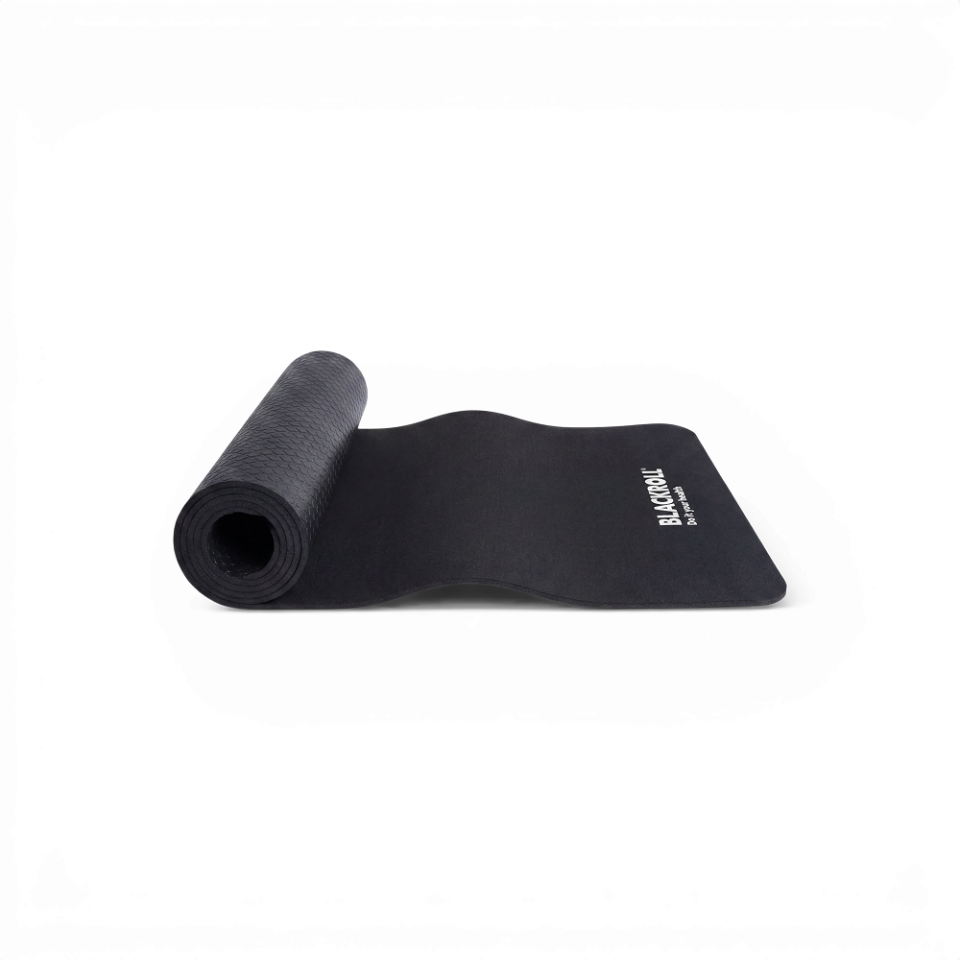
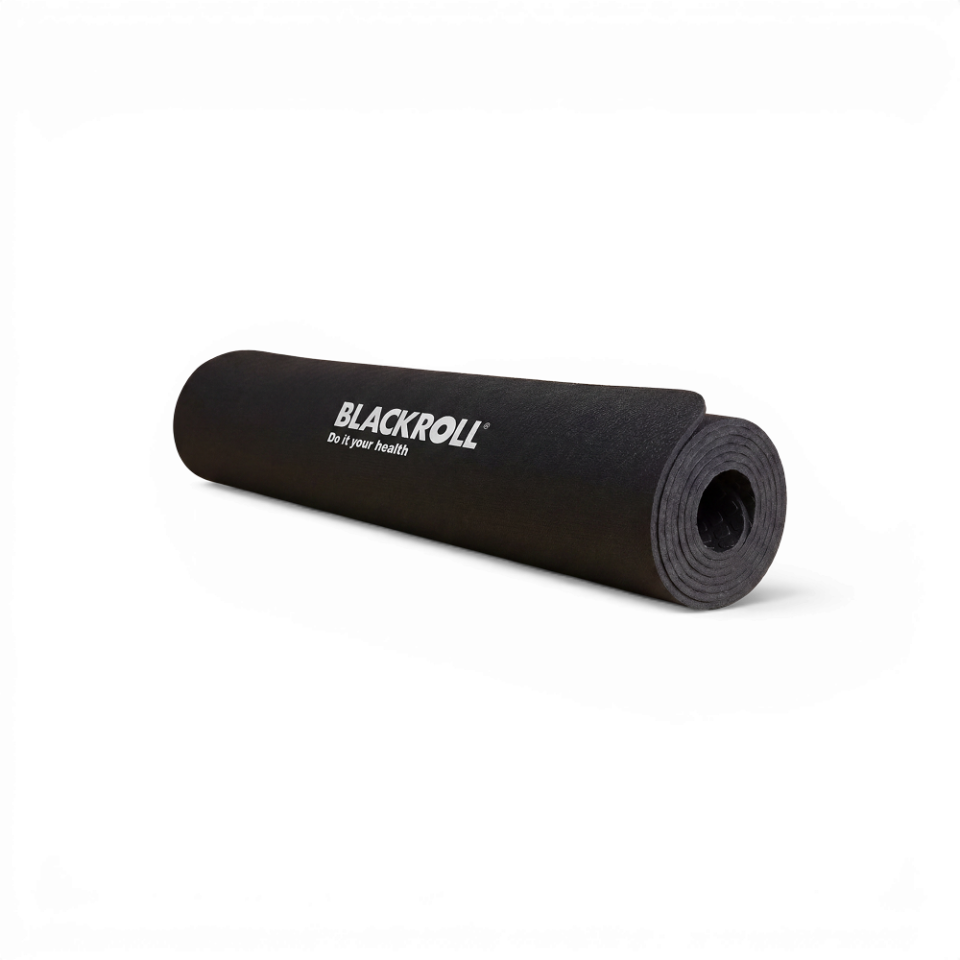
Mat
Available in multiple variants




Effective weekly training planning
A well-thought-out structure is essential for a successful training week. A balanced combination of exertion, recovery, and variety not only promotes endurance but also strengthens speed, strength, and mental resilience. An effective weekly plan might look something like this:
Monday: Easy Endurance Run
Start the week with an easy endurance run. Keep the intensity moderate and focus on maintaining a steady heart rate. This run lays the foundation for the week ahead and supports active recovery.
Tuesday: Interval training
Interval training is on the schedule for Tuesday. Fast running intervals alternate with recovery phases to improve your anaerobic capacity and speed endurance. It’s an intense but extremely effective way to make progress.
Wednesday: Cross-Training
Midweek is a great time for cross-training. Activities like swimming, cycling, or yoga are easy on the joints, engage different muscle groups, and reduce the risk of injury. At the same time, you’re giving your body an active break from running.
Thursday: Tempo Run
A brisk tempo run helps you maintain your speed over longer distances. Run on a flat route at a pace that challenges you but doesn’t overexert you.
Friday: Rest Day
Give your body a break. This rest day is essential for processing the training stimuli from the week and allowing your body to recover.
Saturday: Long Run
Saturday is all about endurance. Long, easy runs are the key to building your base endurance and preparing for longer races. Increase your distance gradually to avoid overtraining.
Sunday: Easy Run
End the week on a relaxed note with an easy run. This not only aids recovery but also helps relieve tension and optimally prepare your muscles for the coming week.
Balance Between Exercise and Recovery
Finding the right balance is crucial: Tailor your training plan to your individual fitness level and recovery needs. Only a body that can recover can perform at its best over the long term. With a well-thought-out weekly plan, you’ll ensure that you see progress and reliably prevent injuries.


Variations in Running Training
Effective running training thrives on variety and targeted effort to achieve progress and maintain the joy of running. Different training methods address various aspects of your performance and ensure that your body is challenged in a well-rounded way—from basic endurance to maximum strength.
Interval Training: The Turbo Boost for Speed and Endurance
Interval training combines fast and slow running phases to improve both your speed and your endurance. This intense method challenges your cardiovascular system and efficiently activates muscle fibers. At the same time, it helps you manage your pace and exertion—a true all-rounder in running training.
Tempo Runs: Keep Up the Pace
Tempo runs, where you run at a consistently high pace over medium distances, help you push your anaerobic threshold. They train you to maintain a faster running pace even over longer distances and strengthen your mental resilience.
Long, slow runs: The foundation of your endurance
These runs are the foundation of your training plan. They improve your basic endurance, promote fat burning, and help your body use oxygen more efficiently. At the same time, they offer a perfect opportunity for active recovery.
Hill Runs: Focus on Strength and Technique
Hill runs strengthen your leg muscles and improve your running economy. Running uphill challenges your lactate tolerance, optimizes your posture, and improves your stride length. It’s an ideal way to train both strength and endurance at the same time.
Cross-training: For More Variety and Less Risk
Cross-training complements your running routine with alternative sports like cycling or swimming. It reduces the risk of injury, strengthens other muscle groups, and allows your body to recover from the strain of running without compromising your fitness.
Variety is the key: With a structured and varied training plan, you’ll not only reach your goals but also keep your motivation high—run after run.


Benefits of Additional Strength Training
Strength training is a valuable addition for any runner who wants to improve their performance and prevent injuries. Through targeted muscle-building exercises, you’ll not only strengthen your leg and core muscles but also optimize your running form and make your body more resilient to the stresses of running.
Why Strength Training Is Important for Runners
Strong muscles reduce the risk of injury, improve stability, and ensure a more efficient running mechanics. Exercises like squats, lunges, and planks focus on the most important muscle groups: legs, glutes, and core. These muscles play a central role in power transfer and stabilizing your body while running. Need a little workout inspiration? This video can help!
Functional Training for Runners
To get the most out of your workout, focus on functional exercises that support the natural movement patterns of running. For example, single-leg squats, sidestep variations, the standing balance exercise, and step-ups are ideal because they not only build strength but also improve your balance and coordination.
Incorporating These Exercises into Your Training Plan
Start with two to three strength training sessions per week and gradually increase the intensity. Make sure to use proper form to maximize the effectiveness of the exercises and prevent injuries. It’s also important to tailor your strength training to your individual goals—whether you want to work on your speed, endurance, or stability.
Targeted strength training offers runners the opportunity to improve their performance over the long term—while gaining more stability, strength, and enjoyment of running.


Rest Days as the Key to Success
Rest days and recovery aren’t just essential for your training plan—they’re also the key to sustainable progress. Often underestimated, they play a crucial role in performance development because they give your body time to recover from the stresses of training and adapt. It’s only during recovery that the foundation for new strength and improved performance is built.
Why Rest Days Are So Important
Every workout places demands on your body—from your muscles to your cardiovascular system to your nervous system. Without adequate recovery, these demands cannot be processed, and the risk of overtraining, fatigue, or injury increases. Rest days allow your body to repair damaged muscle fibers, replenish energy reserves, and strengthen your immune system.
Active and Passive Recovery
- Passive recovery: This involves periods of complete rest during which you allow your body to recover without any additional strain. Perfect after intense or long workouts.
- Active recovery: Light activities such as yoga, walking, or a gentle self-massage with a foam roller promote blood circulation and help relieve muscle tension without creating additional strain.
How do I plan rest days?
The number and timing of rest days depend on your fitness level and goals. As a rule of thumb, every training plan should include at least one rest day per week. If you’re doing intense training or long runs, an additional rest day may be helpful to avoid overexertion.
Tips for Optimal Recovery
- Sleep as a recovery tool: Getting enough sleep supports muscle repair and promotes recovery at the cellular level.
- Nutrition: Fuel your body with nutrient-rich foods to support recovery processes. Proteins and carbohydrates are especially important after intense workouts.
- Recovery tools: Use tools such as the BLACKROLL STANDARD or the BALL 08 to promote blood circulation and loosen tight muscles.
The Long-Term Benefits of Recovery
Rest days and recovery phases are not a sign of weakness, but a strategic part of your training. They not only ensure your performance but also help you maintain your enjoyment of running. By focusing specifically on recovery, you build not only physical but also mental strength—and thus lay the foundation for continuous progress and a sustainable running career.


Measuring and Analyzing Progress
Continuously tracking and analyzing your progress is essential for effectively optimizing your running training. Track key performance metrics such as times, heart rate variability, or recovery times—modern tools like wearables and training apps help you stay on top of things. Supplement this quantitative data with qualitative factors such as your subjective well-being, motivation, nutrition, and sleep quality. This holistic approach provides valuable insights into your performance development.
Performance assessments such as lactate tests or VO2max measurements are another step toward precisely analyzing physiological adaptations and providing new direction for your training. A training journal where you record not only numbers but also personal impressions and challenges is an excellent tool for identifying patterns and tailoring your program to your individual needs.
Flexibility is key here: Listen to your body’s signals and respond to changes. An unplanned recovery phase can sometimes be more effective than sticking to rigid plans. At the same time, variety—such as new routes or different training methods—keeps your motivation high and boosts your mental strength.
Through a structured approach, regular analysis, and targeted adjustments, you’ll lay the foundation for continuous progress and keep running fun . This will keep you on track toward your personal goals—so plan your training, and you’ll feel the success.