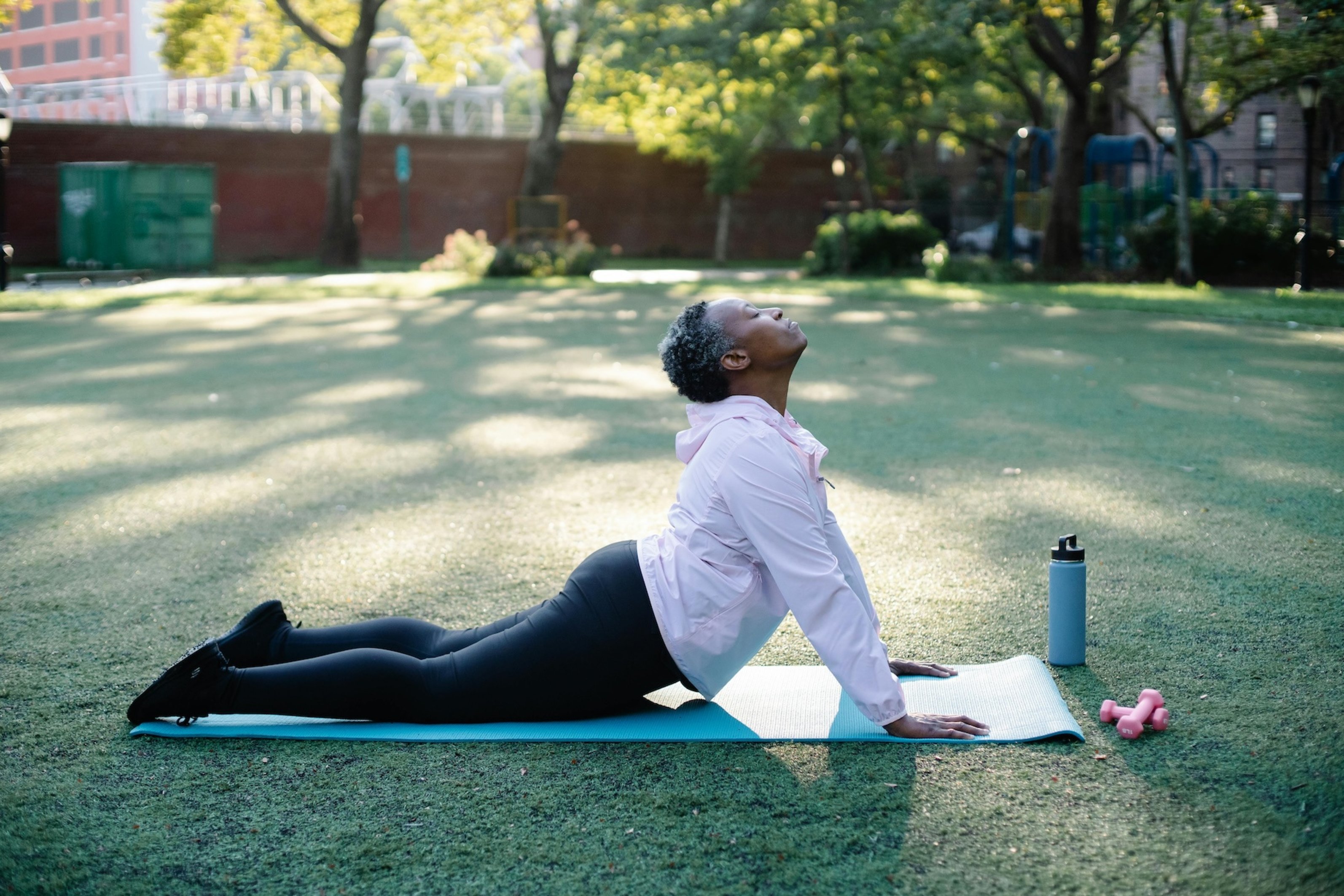
Vagus Nerve Hack: Can 5 Minutes a Day Affect Your Biological Age?

The vagus nerve is one of the most fascinating control centers in our body—and is increasingly coming into focus when it comes to healthy aging and longevity biohacking. As the main nerve of the parasympathetic nervous system, it coordinates important processes such as regeneration, digestion, heart rate, and immune system regulation. In short: It is the biological interface between recovery and cellular health.
What’s often overlooked: Well-trained vagus nerve function is closely linked to factors that slow biological aging. Recent studies show that even just a few minutes of targeted stimulation—such as gentle fascia training combined with prolonged exhalation —can have noticeable effects.
In this article, you’ll learn what the vagus nerve hack is and which methods for vagus nerve activation you can use in your daily life—without any expensive biohacking gadgets.
If you’d like to learn more about the functions of the parasympathetic nervous system, you’ll find in-depth background information in this overview article on the vagus nerve.
More on Longevity


How the Vagus Nerve Influences Aging
The vagus nerve is the main nerve of the parasympathetic nervous system—our “rest and digest” system. It helps the body return to a state of regeneration after stress. This is exactly where longevity research comes into play: sustainable recovery is a key prerequisite for healthy aging.
Studies show that higher vagus nerve activity is associated with several health-related anti-aging factors:
- Increased heart rate variability (HRV): HRV measures how flexibly your heart responds to internal and external stimuli—that is, how much the time between individual heartbeats varies. A high HRV is considered a marker of an adaptable, resilient nervous system and is associated with emotional balance and healthy aging.
- Fewer inflammatory markers in the blood: The vagus nerve can dampen inflammatory processes in the body via the so-called “inflammatory reflex.” This means fewer pro-inflammatory messengers such as interleukin-6 (IL-6) or TNF-α—a protective factor against silent inflammation (inflammaging), which is considered a driver of aging processes.
- Lower cortisol levels: Cortisol is our primary stress hormone. Well-regulated vagal activity can help lower chronically elevated cortisol levels—which relieves strain on the immune system, the brain, and cellular metabolism.
- Increased neuroplasticity: Vagus nerve activation promotes the release of BDNF (brain-derived neurotrophic factor), a growth-promoting neurotransmitter for the brain. This supports learning ability, emotional stability, and mental flexibility—important resources in the aging process.
- Slowed cellular aging: Studies suggest that healthy vagus nerve function is associated with longer telomeres—the protective caps on our DNA. These are considered biological markers of aging at the cellular level.
In summary: Those who regularly activate their vagus nerve specifically target key aging mechanisms. Vagal stimulation can reduce inflammation, alleviate stress, and maintain cellular health—an effective lever for longevity.
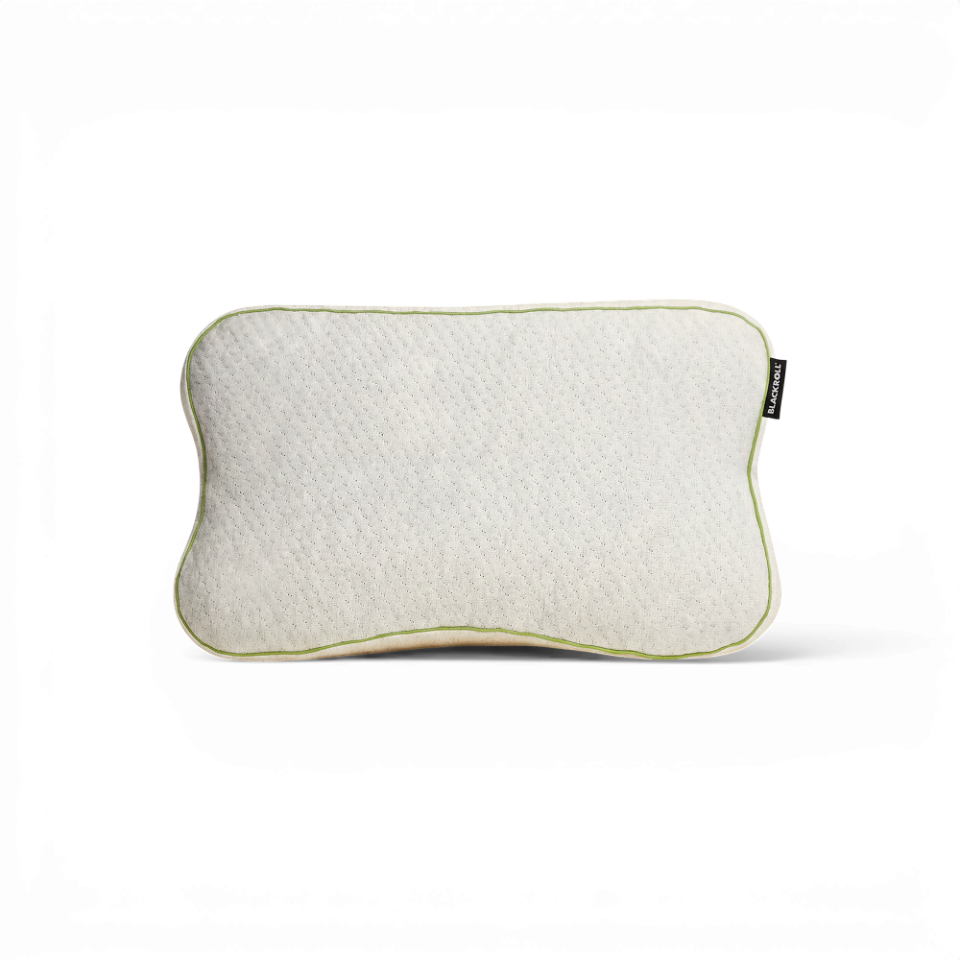
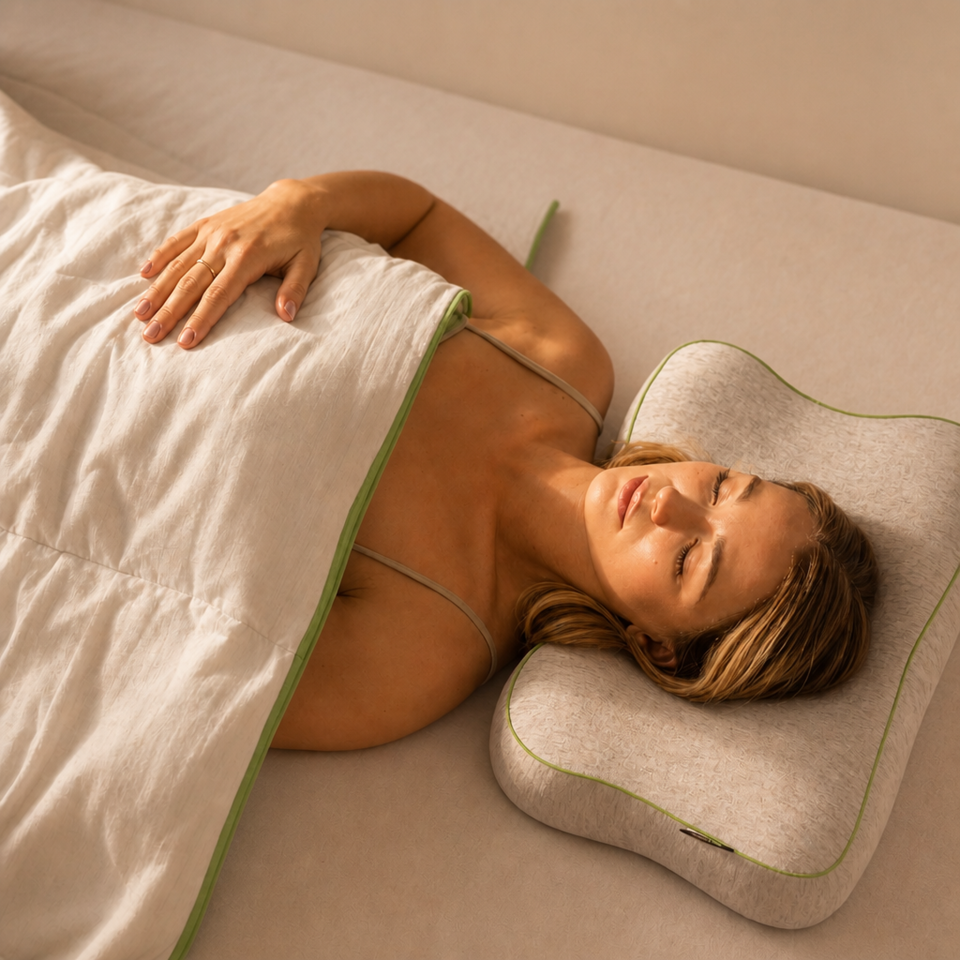
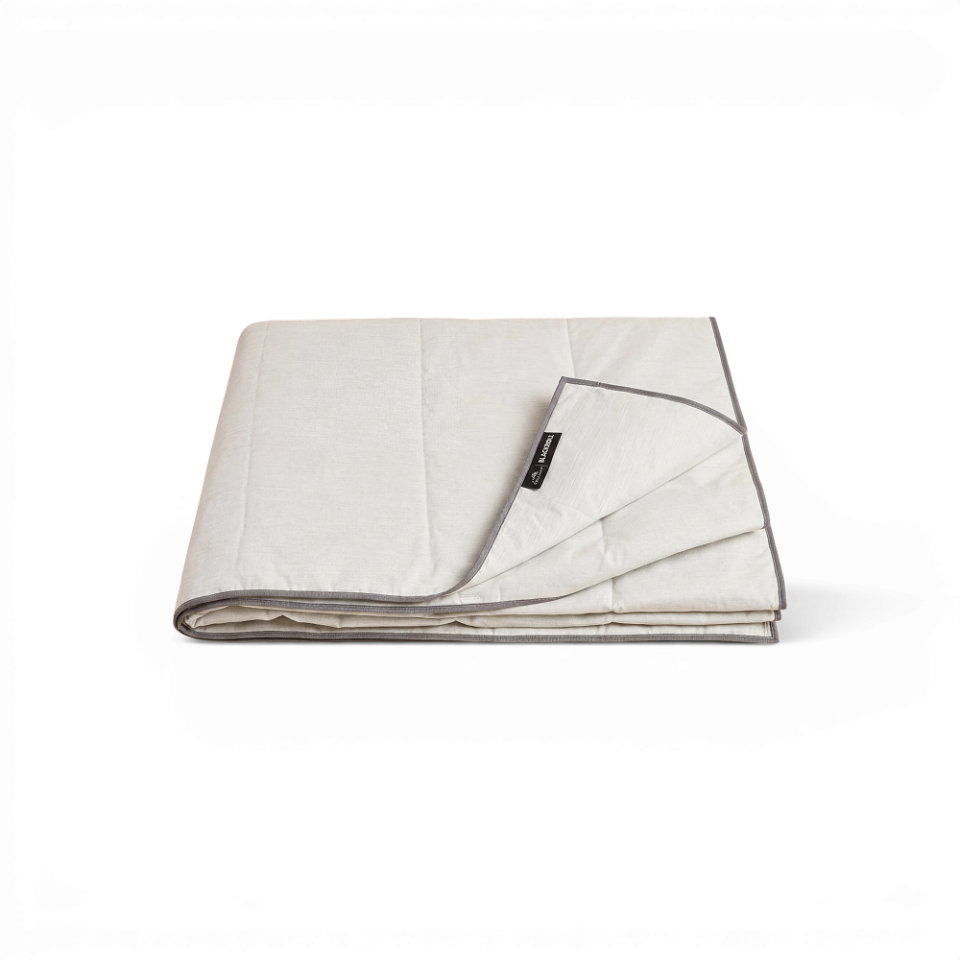
Recovery Blanket Summer
Available in multiple variants
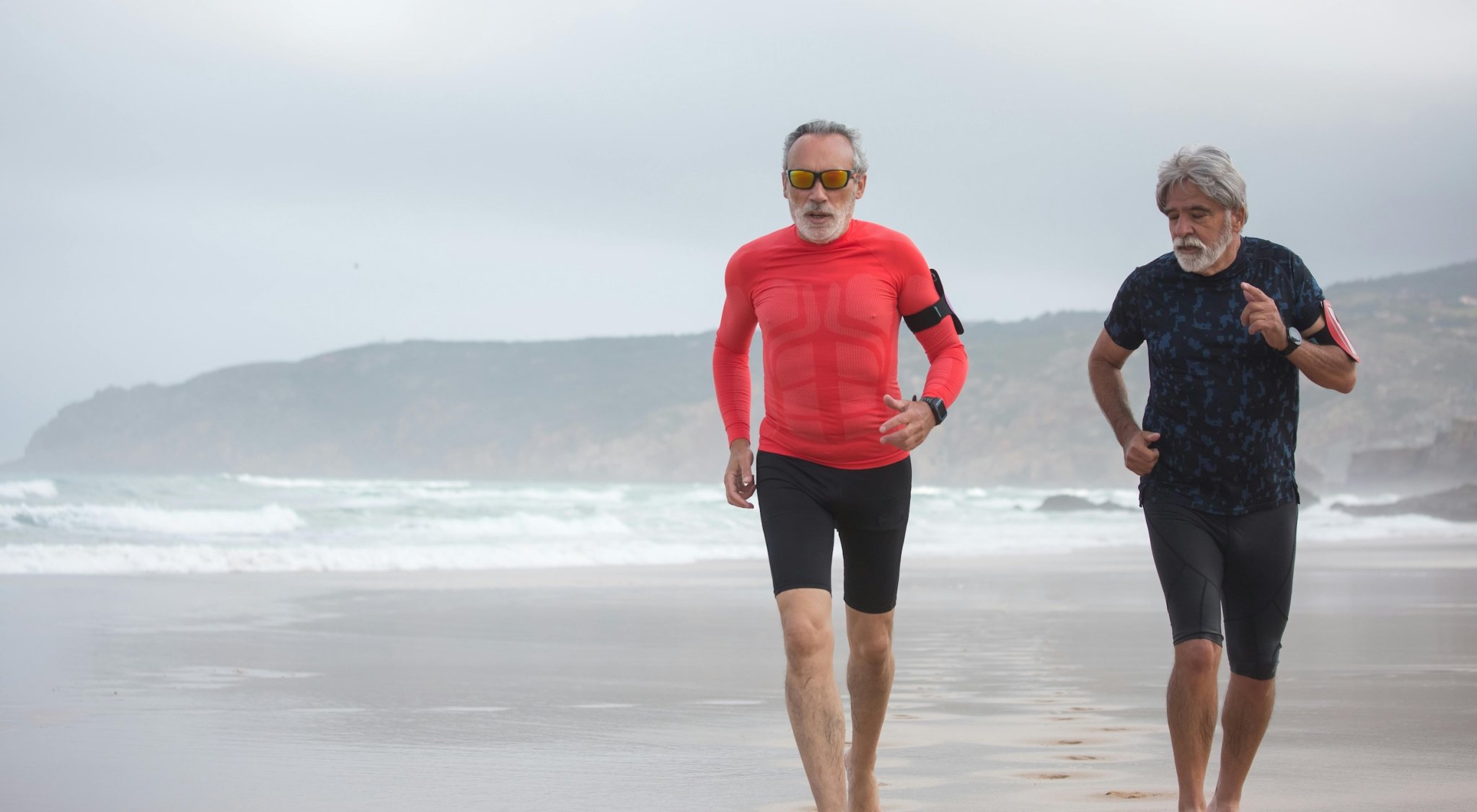
Daily Exercises as a Vagus Nerve Hack – The Benefits
Targeted physical stimuli such as gentle myofascial rolling, light neck massages, or conscious abdominal breathing activate the vagus nerve. This causes the body to switch from stress mode (sympathetic nervous system) to recovery mode (parasympathetic nervous system). This is reflected, among other things, in improved heart rate variability (HRV), lower cortisol levels, and reduced release of pro-inflammatory messengers.
Several studies have now shown that even just a few minutes of daily stimulation are enough to trigger this parasympathetic “reset.”
What happens when you regularly incorporate vagus nerve exercises into your daily routine?
1. HRV & Stress Resilience
HRV indicates how flexible and adaptable the autonomic nervous system is. A high HRV is considered a sign that the body can switch effectively between activation (sympathetic nervous system) and recovery (parasympathetic nervous system)—and thus indicates the body’s ability to recover, emotional stability, and healthy responses to stress.
Gentle physical stimuli—such as rolling along the thoracic spine or a light neck massage—can temporarily increase HRV. These stimuli stimulate the vagus nerve, which can result in a noticeable sense of calm, clearer thinking, and a feeling of inner balance.
2. Cortisol & Inflammation
Prolonged stress leads to chronically elevated cortisol levels—which can intensify inflammatory processes in the body and accelerate cellular aging. Studies show that even brief interventions—such as a 5-minute neck massage —can lower cortisol levels.
Repeated stimuli that activate the vagus nerve—such as deep breathing, gentle rolling, vibration, or massage—also have a calming effect on the immune system. They can reduce low-grade inflammation—an important factor in healthy aging.
3. Neuroplasticity & Mental Fitness
The vagus nerve influences not only bodily functions but also cognitive and emotional processes—particularly through the release of BDNF (brain-derived neurotrophic factor). BDNF supports the formation of new neural connections and promotes learning, memory, and emotional regulation.
Deep abdominalbreathing, combined with targeted fascia training, stimulates areas of the body associated with the vagus nerve, such as the diaphragm. At the same time, it engages key nerve pathways responsible for movement and perception. This combination has been shown to promote neuroplasticity—that is, the brain’s ability to remain flexible and adaptable. It provides an effective boost to mental health and cognitive longevity.
4. Cellular Aging & Longevity
A healthy vagal tone—that is, sustained high activity of the vagus nerve—is associated with various indicators of healthy aging. Research is particularly focused on telomeres. These are protective caps at the ends of our chromosomes that shorten with each cell division—and are thus considered a kind of biological clock.
Although there is currently no direct evidence that foam rolling extends telomere length, there are strong indications: People with stable HRV, low levels of chronic inflammation, and good stress regulation often have longer telomeres. And it is precisely these factors that can be positively influenced by regular vagus nerve stimulation.
In short: Anyone who specifically activates the vagus nerve daily is investing in healthy cellular aging. Exercises such as gentle foam rolling, neck relaxation, or conscious abdominal breathing can reduce the release of stress hormones like cortisol, modulate inflammatory processes, strengthen neurocognitive functions, and thus contribute to a biologically “younger” body in the long term.


Limitations & Risks of Vagus Nerve Biohacking
As helpful as daily vagus nerve stimulation through rolling, gentle neck massage, or breathing exercises may be—it has its limits. If you perform the exercises too vigorously, too hastily, or in a way that causes pain, you may, in the worst case, activate the sympathetic nervous system—the part of the nervous system responsible for stress responses—which is exactly the opposite of the desired effect. Therefore, what matters most is not the intensity of the stimulus, but how mindfully and calmly you perform the exercises. Quality clearly takes precedence over intensity here.
Too much pressure can trigger stress responses
Foam rolling works through targeted mechanical stimulation—it’s important that this stimulation remains comfortable. Too much pressure can have undesirable effects: The body may react with stress, muscle tension may increase instead of decrease—and the desired activation of the parasympathetic nervous system via the vagus nerve may not even occur.
Therefore, gentle, slow rolling—especially in the neck and upper thoracic spine—is often more effective than intense kneading. Noticeable relaxation and deeper breathing are good indicators that the parasympathetic nervous system is kicking in.
Tip: Read here to learn how to use the foam roller correctly.
Reactions Vary from Person to Person
Not everyone reacts equally strongly to vagus nerve stimulation. Factors that influence this include:
- current stress levels (acute vs. chronic),
- personal breathing patterns (e.g., shallow breathing vs. abdominal breathing), and
- the fitness level of the autonomic nervous system.
A routine that works immediately for one person may take days or weeks to show measurable effects in another. Patience, consistency, and mindful self-awareness are therefore more important than short-term biohacks.
Not a Substitute for Medical Treatment
Vagus-stimulating techniques such as foam rolling, breathing exercises, or neck relaxation are powerful tools for self-regulation—but they are not treatment methods for serious mental or physical illnesses. For persistent symptoms such as sleep disorders, depression, anxiety disorders, chronic inflammation, or autoimmune diseases, medical or therapeutic advice should always be sought.
Note: Vagus nerve training—such as through foam rolling—is not a miracle cure, but a valuable everyday tool. It helps regulate stress, can positively influence HRV and inflammation markers, and thus contributes to cellular health. It’s important to note that it doesn’t work equally quickly for everyone—and should always be performed mindfully, gently, and without pressure.


How to: Successfully Incorporate Vagus Nerve Biohacking into Your Daily Life
Targeted vagus nerve stimulation through fascia and breathing exercises can be easily integrated into your daily routine. What matters most is not the duration, but the quality of the execution. Just a few minutes a day are enough to promote parasympathetic activity, reduce stress, and have a long-term positive effect on heart rate variability (HRV), cellular health, and biological age.
5-Minute Morning Routine
This short, vagus-friendly rolling routine is ideal for starting your day—as a regulating mini-practice for your nervous system, fascia, and respiratory center:
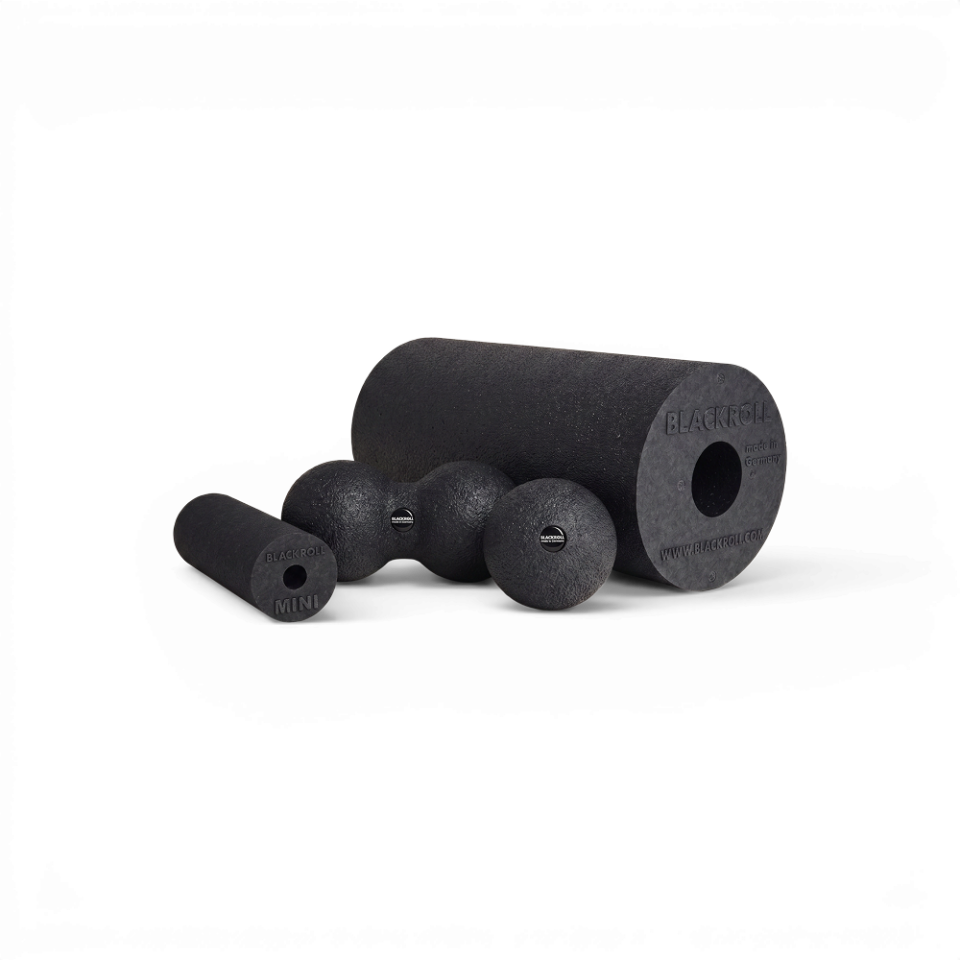
- Neck: Lie on your back and place a BLACKROLL® Ball 08 under the back of your head (where your neck meets your skull). Perform gentle micro-movements—about 1 minute on each side.
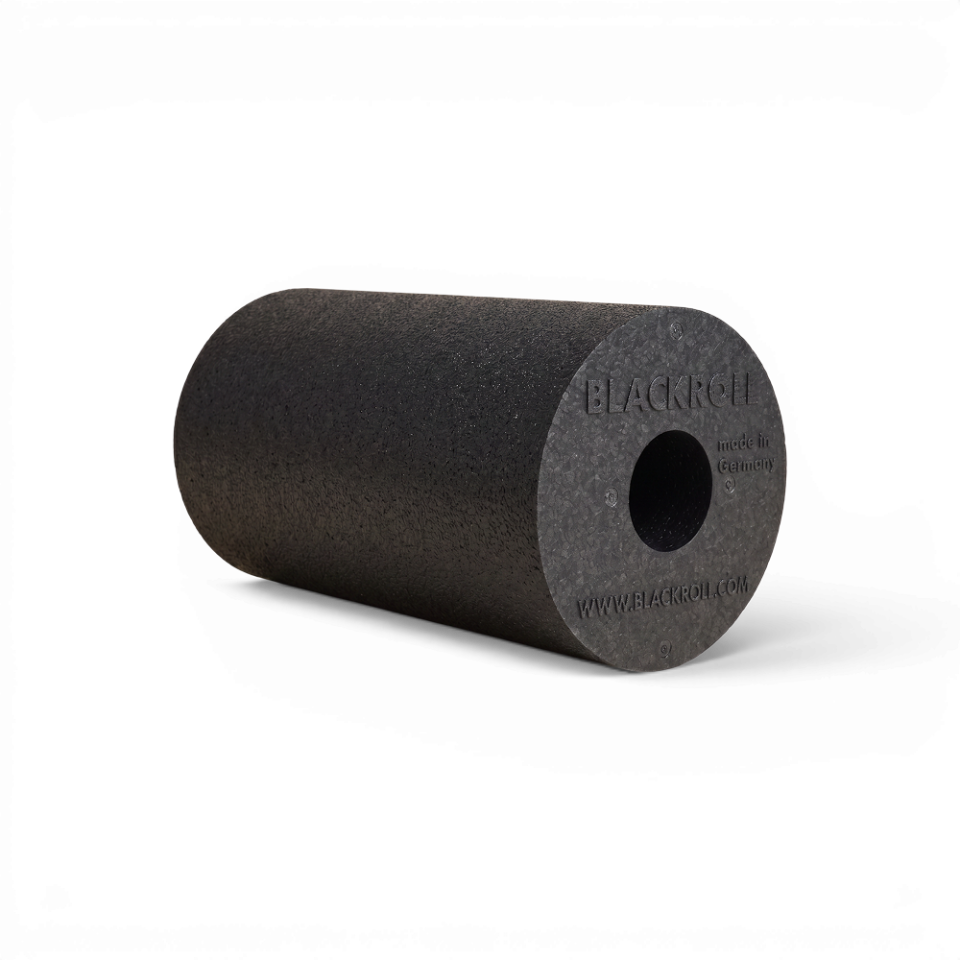
- Thoracic spine: Slowlyroll the BLACKROLL® Standard up and down along the upper spine. Do this for 1–2 minutes at a calm breathing pace.
- Diaphragm & Solar Plexus: Sit or lie upright and place the fascia ball under your sternum, just above your abdomen. Take a deep breath and relax while exhaling slowly for about 1 minute.
This routine specifically stimulates areas of the body near the vagus nerve and helps your nervous system start the day in a balanced state.
Tip: You’ll find a handy video guide with additional exercises for daily vagus nerve activation in our vagus nerve exercise routine.
Breathing Techniques for Vagus Nerve Activation
Breathing is one of the most effective ways to activate the parasympathetic nervous system—especially when you consciously lengthen your exhalation. Here are some effective techniques:
- 4-6-8 Breathing: Inhale for 4 seconds, hold for 6 seconds, and exhale slowly for 8 seconds. This breathing pattern calms the autonomic nervous system, reduces sympathetic nervous system activity, and promotes vagus nerve activity. Note: This variation is increasingly recommended as a gentler alternative to the well-known 4-7-8 method, as it creates less pressure in the chest.
- Humming & Sighing: The larynx is closely connected to the vagus nerve. Gentle humming (e.g., while exhaling with your mouth closed) or conscious, long sighs create vibrations that stimulate vagal nerve fibers—especially in the throat area.
- Deep Abdominal Breathing: Place one hand on your lower abdomen and breathe deeply down below your navel. The resulting movement stimulates the diaphragm—and thus the branches of the vagus nerve that run through it. Make sure to maintain a steady, slow breathing rhythm.
Tip: Breathing techniques can be easily combined with foam rolling—for example, while lying on the ball.
Integration into Daily Life
Consistency is key—that’s why vagus nerve biohacking should be designed to be easy to incorporate:
- Right after waking up: Your morning routine helps regulate your stress response before the day begins.
- As a reset throughout the day: 2 minutes of rolling + 3 minutes of breathing—ideal after meetings or when feeling restless.
- In combination with stretching or mobility exercises: This creates a holistic movement and relaxation program. For a daily mobility routine.


Conclusion: Small steps, big impact
Targeted vagus nerve stimulation is one of the underrated yet scientifically well-documented tools for healthy aging, mental balance, and stable stress regulation. The combination of foam rolling and slow, mindful breathing activates the parasympathetic nervous system—with far-reaching effects: cortisol levels drop, inflammatory markers decrease, heart rate variability increases—and cellular health benefits in the long term.
Foam rolling + breathing = your daily longevity tool. Just five minutes a day can strengthen resilience, improve sleep quality, and dampen low-grade inflammation—and, when combined with other health factors, can even help maintain a “younger” biological age.
Our BLACKROLL® tools, such as fascia rollers and fascia balls, help you easily and flexibly integrate these routines into your daily life—with minimal effort but noticeable results. The more consistently you stick with it, the stronger the effect will be over weeks and months.


FAQs – Frequently Asked Questions About the Vagus Nerve & Longevity
Frequently Asked Questions
The vagus nerve is the main nerve of the parasympathetic nervous system—our “regenerative system.” It influences heart rate, digestion, inflammatory responses, and the release of stress hormones. Well-trained vagal activity promotes recovery, immune function, and cellular health—crucial factors for healthy longevity.
An active vagus nerve is associated with the following biomarkers:
- Higher heart rate variability (HRV)
- Lower cortisol and inflammation levels
- Longer telomeres (DNA protective caps)
These markers are considered predictors of a “younger” biological age and increased stress resilience.
Effective methods include:
- Deep abdominal breathing with a prolonged exhalation
- Humming or sighing (vibrations in the larynx)
- Gentle foam rolling in the neck and chest area
These stimuli signal to the nervous system: Relaxation is possible—the stress response can be deactivated.
Foam rolling alone is not a panacea—but it is a highly effective tool in the longevity toolkit. Combined with breathing, sleep, nutrition, and exercise, it can improve stress regulation, reduce inflammation, and promote regenerative processes.
In healthy people, gentle vagal stimulation is generally safe. Important: No pain, no force. Excessive pressure—e.g., during foam rolling—can be counterproductive and trigger stress responses. People with contraindications such as cardiac arrhythmias, chronic inflammatory diseases, or mental health issues should seek medical advice beforehand.
Discover more articles




Studies & Sources
- Gidron, Y., et al. (2018). The Vagus Nerve Can Predict and Possibly Modulate Non-Communicable Chronic Diseases: Introducing a Neuroimmunological Paradigm to Public Health. Aging, 10(5), 1–13. https://www.aging-us.com/article/102074 (accessed July 7, 2025)
- Zamunér, A.R., et al. (2023). Vagus Nerve Stimulation and Its Effect on Inflammation and Aging: A Review.International Journal of Molecular Sciences, 24(14), 10979. https://www.ncbi.nlm.nih.gov/pmc/articles/PMC10366452 (accessed July 7, 2025)
- Shaffer, F., & Ginsberg, J.P. (2017). An Overview of Heart Rate Variability Metrics and Norms. Frontiers in Public Health, 5, 258. https://pubmed.ncbi.nlm.nih.gov/32219430/ (accessed July 7, 2025)
- Rangon, C.M., et al. (2022). Vagus Nerve Stimulation: State of the Art of Stimulation Techniques and Their Biomedical Applications. Bioelectronic Medicine, 8(1), 17. https://bioelecmed.biomedcentral.com/articles/10.1186/s42234-022-00100-3 (accessed July 7, 2025)
- McCraty, R., et al. (1995). Autonomic Assessment Using the Electrocardiogram: HRV Analysis and HRV Biofeedback. The Journal of Advancement in Medicine, 8(2), 107–120. https://pubmed.ncbi.nlm.nih.gov/8945057/(accessed July 7, 2025)
- van Leusden, J.W.R., Sellaro, R., & Colzato, L.S. (2021). Transcutaneous Vagal Nerve Stimulation (tVNS): A Promising Tool for the Treatment of Depression. Frontiers in Psychology, 12, 642684. https://www.ncbi.nlm.nih.gov/pmc/articles/PMC8234052/ (accessed July 7, 2025)
- Tracey, K.J. (2002). The Inflammatory Reflex. Nature, 420, 853–859. https://www.ncbi.nlm.nih.gov/pmc/articles/PMC3108032/ (accessed July 7, 2025)
- Gidron, Y., Ronson, A., & Psych, C. (2006). Does the vagus nerve inform the brain about cytokine-mediated immune responses? Psychoneuroendocrinology, 31(10), 1371–1375. https://doi.org/10.1016/j.psyneuen.2006.09.004 (accessed July 7, 2025)
- Epel, E. S., Puterman, E., Lin, J., Blackburn, E. H., et al. (2013). Wandering minds and aging cells. Clinical Psychological Science, 1(1), 75–83. https://doi.org/10.1177/2167702612460234 (accessed July 7, 2025)