
Winter Blues: What’s Behind It—and What Really Helps

Suddenly, it’s all too much! During the cold, dark season, many people find daily life more difficult. Do you feel the same way? You’re not alone in feeling this way: According to a survey, up to 59% of Germans experience the winter blues at least sometimes. Typical symptoms include lower energy levels, an increased need for sleep, cravings for carbohydrates, and the urge to withdraw.
What can quickly seem like a lack of motivation usually has a simple physical cause. Your body is reacting to a lack of light and changes in your daily routine. Once you understand the winter blues, the condition becomes more predictable—and you’ll discover concrete ways to improve your mood and bring more energy back into your daily life.
What to Expect in This Article
- The Winter Blues Explained: Temporary mood dips in winter caused by a lack of light—not a disease, but a physical adaptation.
- Typical symptoms: Fatigue, lack of motivation, increased need for sleep, food cravings, and mood swings.
- Main causes: Less daylight affects hormones (melatonin, serotonin), the sleep-wake cycle, and energy levels.
- What actually helps: Daylight, regular exercise, consistent routines, and good sleep help stabilize your mood.
- Distinction from depression: The winter blues are mild and temporary—if symptoms persist or are severe, seek medical help.


What is the winter blues?
The winter blues describe a temporary dip in mood during the dark season. The term should be taken literally: a subdued feeling ranging from fatigue to low motivation and mild melancholy that occurs alongside shorter days and less daylight. It is not a medical condition, but rather the body’s adaptive response to changing environmental conditions.
Many people experience this because light is a key regulator of sleep, hormones, and activity. When light is lacking, the body’s internal regulation shifts: alertness decreases, and your need for rest increases. This directly affects your mood and energy levels, without necessarily indicating a serious psychological change.
Leona Rudolph
Many people experience this because light is a key regulator of sleep, hormones, and activity. When light is lacking, your internal regulation shifts: alertness decreases, and your need for rest increases. This has a direct effect on your mood and energy levels, without necessarily indicating a serious psychological change.
Leona Rudolph, health psychologist and sleep health expert

It’s important to make this distinction: With the winter blues, you can generally manage your daily life, even if it’s more difficult. Furthermore, the course of the condition typically follows a wave-like pattern, meaning your mood fluctuates from day to day. By definition, however , seasonal affective disorder (SAD)—colloquially known as winter depression—is diagnosed when depressive episodes occur for at least two consecutive years during a specific season, such as fall and winter, and last for several weeks.
You might also be interested in this: Understanding Depression: Relieving Physical Symptoms with Exercise, Myofascial Release, and Sleep
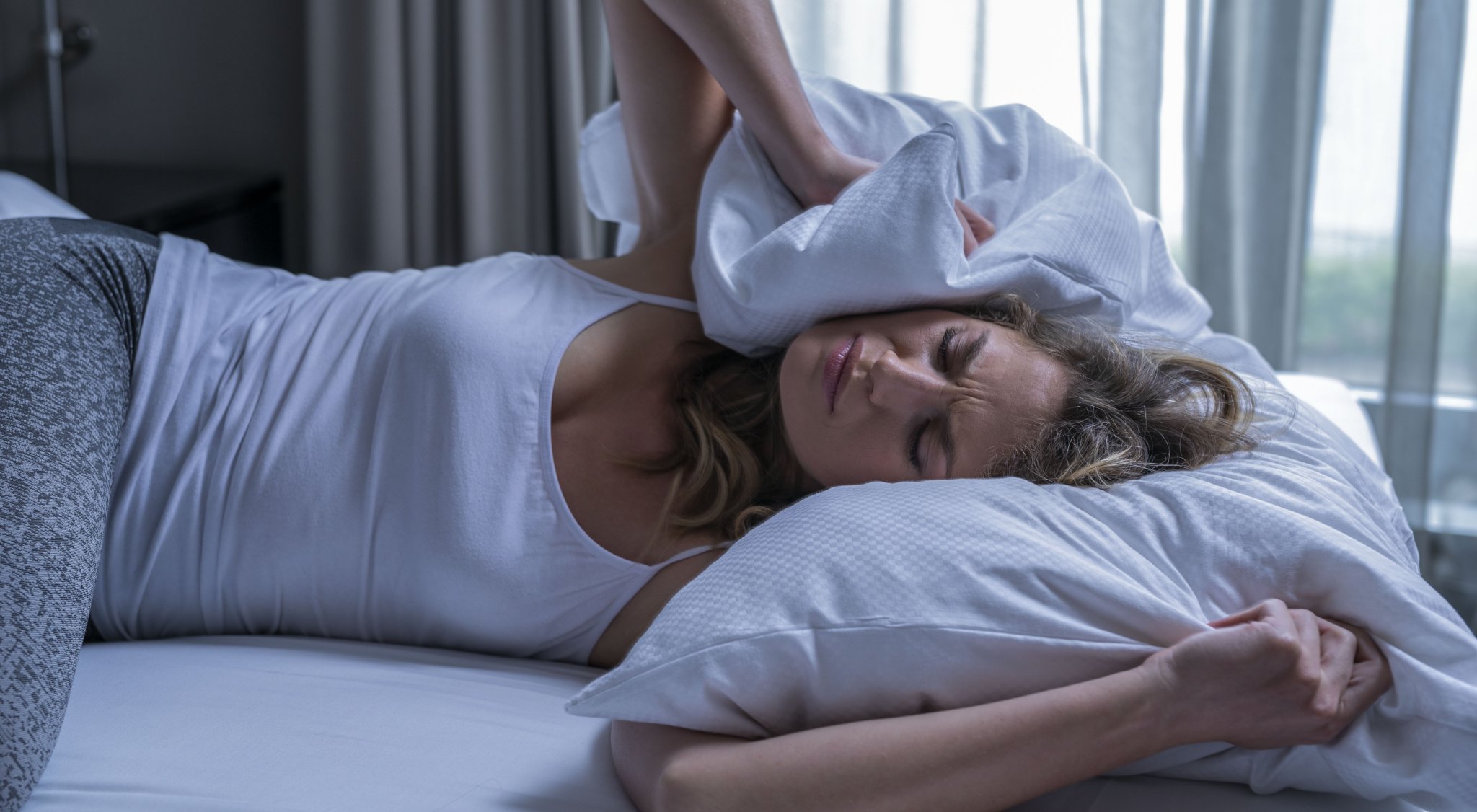

Typical symptoms of the winter blues
A key aspect of the winter blues: The symptoms affect how you feel but do not usually completely restrict your daily life. According to Prof. Dr. Maria Strauß of Leipzig University Medical Center, clear warning signs of the winter blues include low mood, lack of motivation and interest, increased exhaustion, lethargy, and a lack of energy.
An overview of possible signs of the winter blues:
- Lack of motivation: Tasks require more effort, and it takes longer to get started in the morning. Activities are put off more often.
- Fatigue: You don’t feel fully awake despite getting enough sleep. Your body stays in rest mode longer.
- Low mood: Your mood is more subdued than usual. It takes longer to feel joy, though there is no persistent sense of hopelessness.
- Sleep disturbances: Often characterized more by an increased need for sleep or staying in bed longer than by the classic inability to fall asleep. A subjectively poorer sleep quality with a reduced sense of restfulness may also occur,
- Changes in appetite: Often , intense cravings for carbohydrate-rich foods. One possible explanation is that the body may indirectly stimulate serotonin production through carbohydrates.
- Mood swings: Days when you feel normal alternate with more severe episodes, often depending on daylight and activity levels.
With the winter blues , symptoms usually occur only on a day-to-day basis, in waves, and in a relatively mild form —meaning they do not significantly interfere with daily life. If the symptoms persist continuously for more than two weeks, or if symptoms such as hopelessness, feelings of guilt, or suicidal thoughts, loss of appetite or extreme cravings, sleep problems, or a pronounced need for sleep are present, winter depression may be the underlying cause. You should have this evaluated by a doctor or psychotherapist.
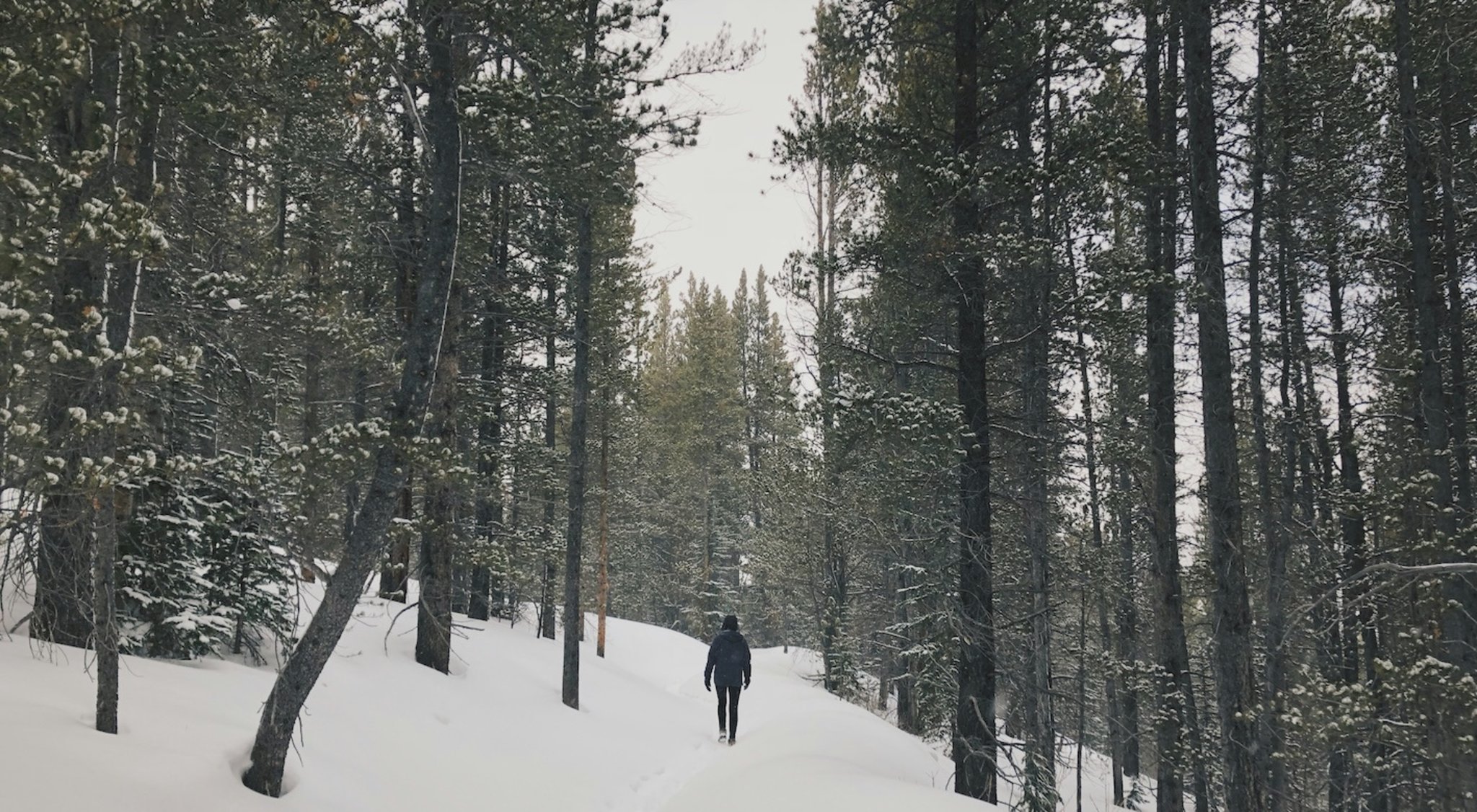

Causes: Why winter affects your body and mind
The causes of the winter blues are not yet fully understood scientifically. It is striking, however, that many changes are linked to a lack of daylight. Light controls key processes in the brain—when it’s lacking, it affects sleep, mood, and energy levels.
A lack of light alters brain activity
In the fall and winter, the body receives significantly less daylight. As a result, the brain loses an important internal clock. Activation signals shift, fatigue sets in earlier and lasts longer. Studies show that the body remains in rest mode more often, even though daily life continues as usual.
Melatonin rises, serotonin falls
When there is a lack of light, the sleep hormone melatonin is released in greater amounts not only at night but also, to some extent, during the day. This often leads to lethargy and increased fatigue. Research suggests that the availability of serotonin—a neurotransmitter that supports alertness and emotional stability—decreases. This effect is exacerbated by the fact that melatonin’s natural antagonist, cortisol, is normally activated by daylight in the morning and brings the body into wakefulness mode. Without morning light, this stimulus may be weaker. As a result, you may feel more unbalanced and sensitive.
Vitamin D Deficiency
Vitamin D deficiency is also frequently associated with the winter blues. In fact, vitamin D levels drop in many people during the winter because sunlight between October and March is insufficient for the body’s own production. According to current research, the winter blues are primarily explained by changes in the sleep-wake cycle caused by a lack of light, not by vitamin D deficiency. Supplementation is therefore not a substitute for light therapy or exercise, but it may be beneficial in cases of proven deficiency.
The sleep-wake cycle shifts
Less light in the morning and early darkness in the evening shift the biological rhythm. While it becomes easier to fall asleep, waking up feeling refreshed becomes more difficult. The body remains longer in an intermediate state between sleep readiness and wakefulness.
Weather, Exercise, and Daily Stress
When it’s dark and cold, we often automatically feel less inclined to be active outdoors. Less exercise means less stimulation of the circulatory system and fewer stimuli for the nervous system. At the same time, everyday stress and mental strain often increase in winter, while balancing activities decrease. Thus, external conditions and the body’s regulatory mechanisms reinforce each other—giving rise to the winter blues.
Sleep More Restfully
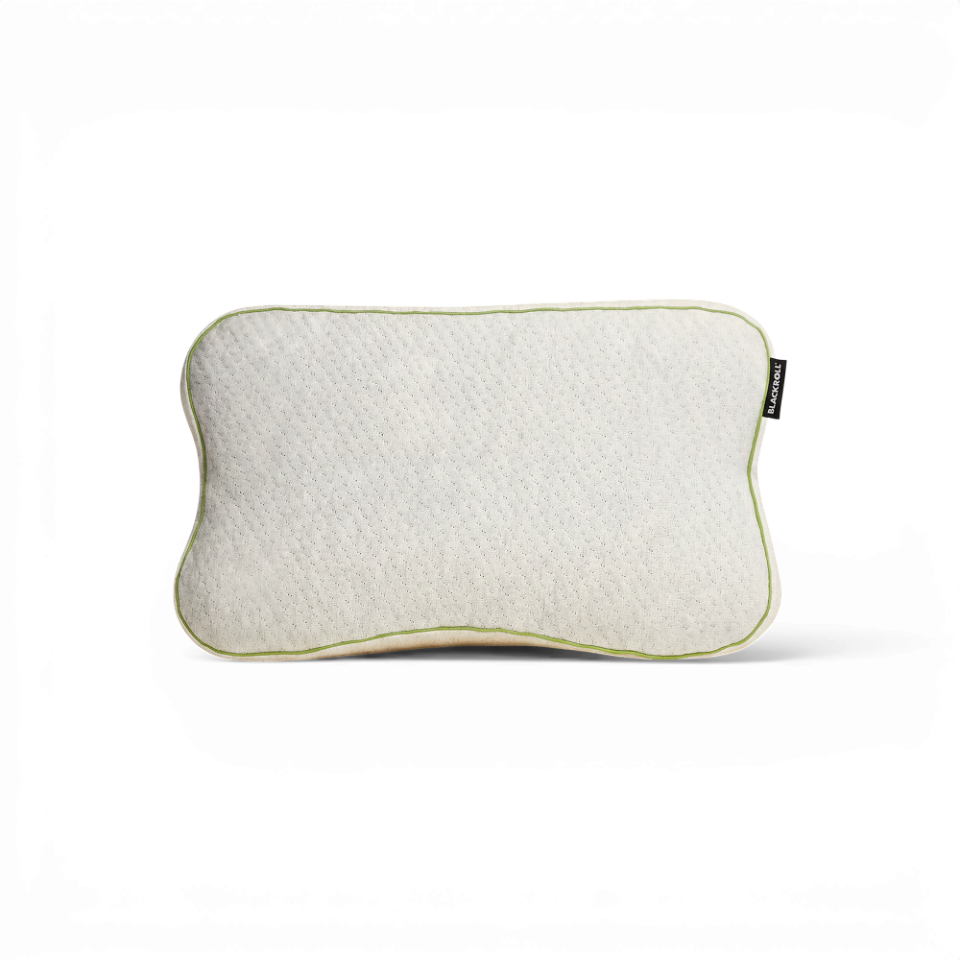



Recovery Base 2.0
Available in multiple variants


Recovery Blanket Winter
Available in multiple variants
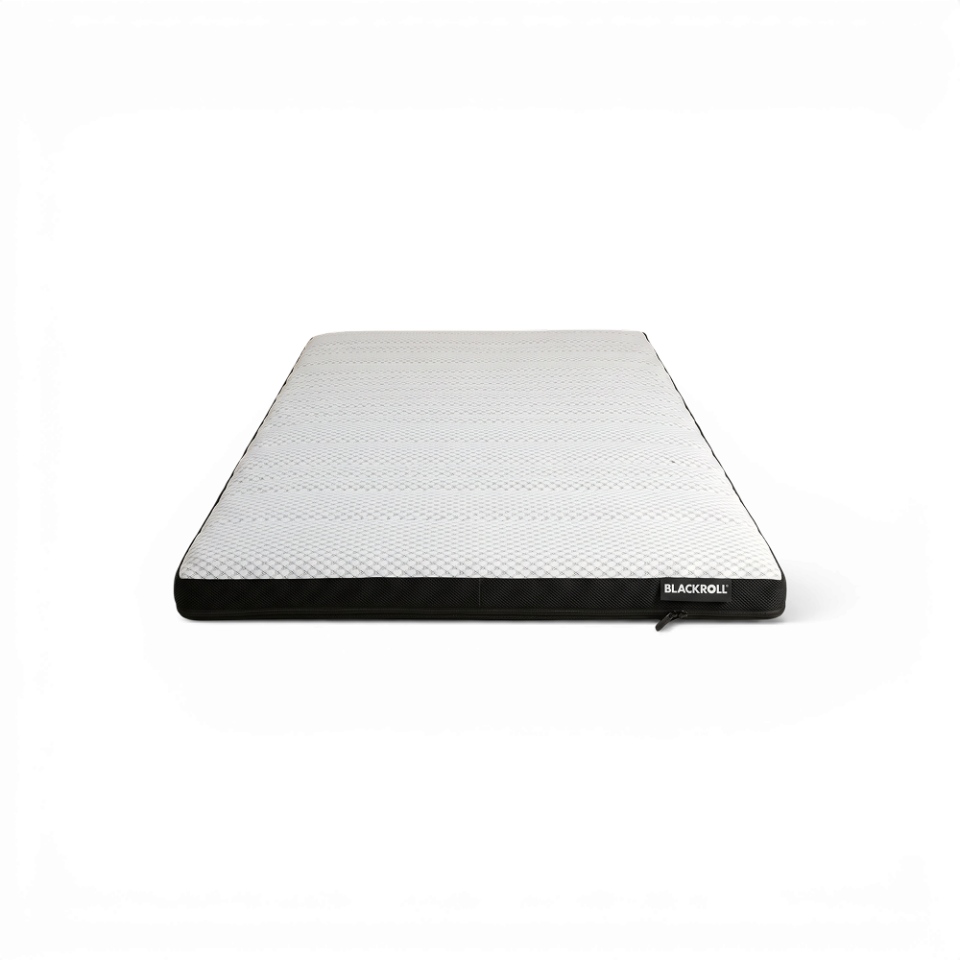
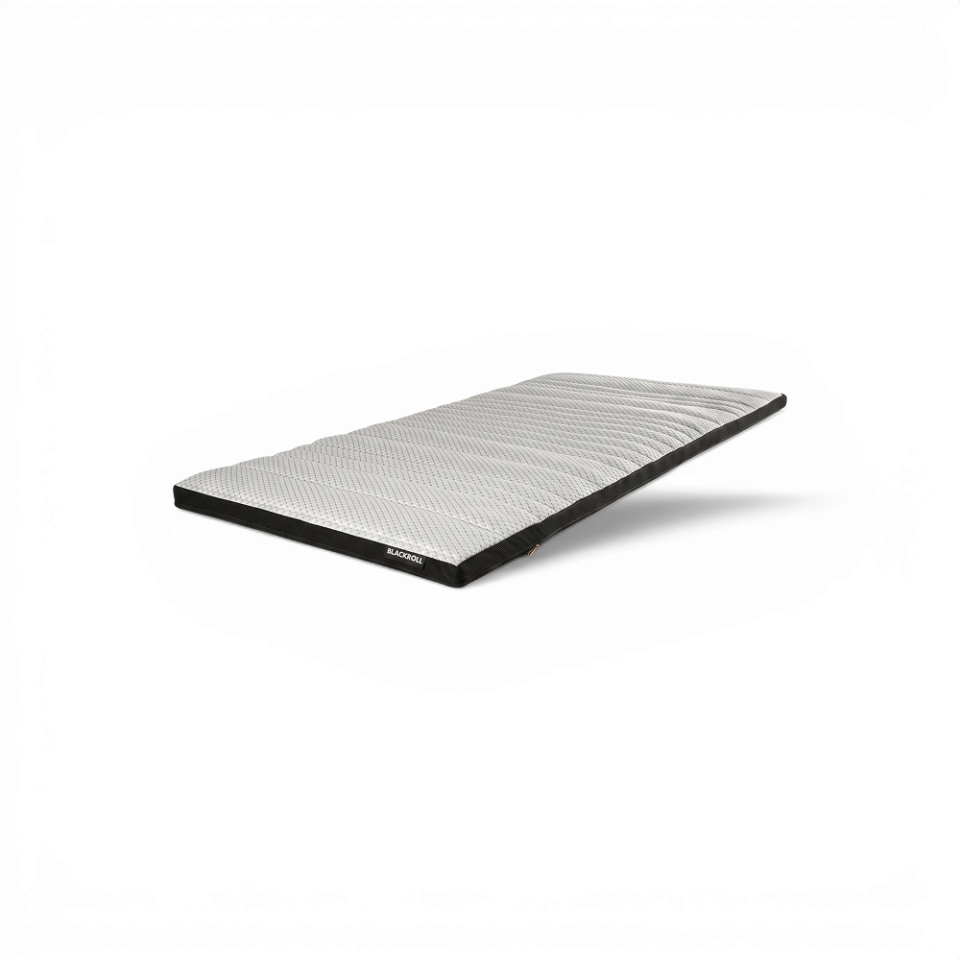
Comfort Topper 2.0
Available in multiple variants

Preventing the Winter Blues Through Exercise and Light
The body reacts particularly strongly to two factors: activity and light. Combined with consistent routines, these can help keep the winter blues at bay.
Exercise and fresh air lift your spirits
Even simple physical activity affects the brain. Muscle activity increases blood flow, stimulates the nervous system and metabolism—and your perceived energy levels rise noticeably. Walks outdoors combine several benefits: exercise, daylight, and a brief break from everyday stress.
Studies also show that regular aerobic exercise—that is, steady-state endurance activities such as brisk walking, cycling, or light jogging —can significantly improve mood and reduce anxiety symptoms—an effect that can also help us get through the winter.
Small routines can be helpful:
- at least one walk a day, preferably in the morning light
- walking short distances, e.g., to the grocery store
- Incorporate regular weekly activity blocks, e.g., for walking or cycling
Important: This isn’t about intense exercise, but rather about regular activity, ideally outdoors. Consistency is key, not performance.
Daylight regulates the sleep-wake cycle
Daylight remains the most important protective factor against the winter blues. Morning light is particularly effective because it stabilizes the sleep-wake cycle. So make a conscious effort to incorporate light into your daily routine. For example: Drink your morning coffee or tea by the window—or better yet, outside your door—and go for a short walk after lunch; even 10–15 minutes can make a difference.
Research shows that light therapy can be helpful in cases of severe light deprivation. This involves using special lamps with an intensity of about 2,500 to 10,000 lux for about 30 minutes a day, usually in the morning. You should consult a doctor before starting this treatment.
Fixed Routines Provide Stability
In winter, many familiar activities fall by the wayside; days seem more monotonous and start later. As a result, the body loses its points of reference. Set schedules help keep your internal rhythm stable nonetheless: get up at the same time every day if possible, consciously plan in physical activity, maintain social contacts, and don’t leave rest periods to chance.
Repetitive routines provide predictability for the nervous system—and it is precisely this regularity that can significantly reduce fatigue and mood swings in winter.


Sleep and Recovery to Combat the Winter Blues
In addition to light, exercise, and a structured routine, rest is the key factor in determining how stable your energy levels remain in winter. Sleep and intentional recovery help.
Sleep Stabilizes Your Rhythm
The body responds to the dark season primarily through sleep. Less light prolongs the release of the sleep hormone—you’ll get tired earlier in the evening and have a harder time waking up in the morning. This is normal and not a sign of a lack of resilience.
Sleep is important. Give your body what it needs—but do it smart! Sleep quality is more important than the sheer amount of time spent in bed. Constantly changing bedtimes and wake-up times, long naps, or hitting the snooze button can increase lethargy. A stable rhythm, on the other hand, supports your well-being because it helps your nervous system better navigate between rest and activity.
Small routines help, too: reduce stimuli in the evening, dim the lights, and build in a set wind-down period. This allows your body to truly recover at night instead of slipping into persistent fatigue.
Looking for inspiration for your evening routine? Try , for example, these breathing exercises to help you fall asleep, our 20-minute evening yoga flow, or the 10-minute fascia routine. These will specifically support your sleep and help you combat the winter blues.
Recovery Balances Out Stress
For many people, winter means more stress: less balancing outdoor activity, but a heavier workload, frequent family illnesses, and changeable weather. Without proper balance, the body remains in activation mode for longer—often leading to increased fatigue and irritability.
That’s why variety is key: periods of tension should be consciously followed by periods of relaxation. Even short, regular breaks with calm breathing, gentle fascia training, or conscious stress relief help the nervous system wind down again. You’ll find suggestions for this in our article on relaxation techniques.


Winter Blues or Depression – When It’s Wise to Seek Help
The line between normal mood swings and a condition requiring treatment can sometimes be difficult to draw. The winter blues affect your well-being but still leave you with some room to function. With depression or seasonal affective disorder (SAD), this ability to function is significantly limited.
With the winter blues, your mood usually fluctuates depending on daylight, activity, and sleep. There are still periods when you feel normal, and you can generally manage your daily life.
In contrast, depression or SAD is characterized by persistent symptoms, such as:
- a persistently low mood
- a marked loss of interest
- severe exhaustion that does not improve with exercise or light
- severe withdrawal from daily life
It’s a good idea to see a doctor if your symptoms persist for more than two weeks, worsen, or noticeably interfere with your daily life. You should also seek help if you’re feeling hopeless, have severe sleep disturbances, or are experiencing distressing thoughts. This doesn’t automatically mean you’ll receive a diagnosis—it simply helps determine your actual needs.


Conclusion: The winter blues are temporary
When your energy levels drop in winter and your mood is often low, it can feel overwhelming. However, the winter blues are harmless in most cases and affect many people. Your body is simply reacting to less light, changes in activity, and a different rhythm. This means the condition is a natural part of the season—and it will pass.
You can support this process by regularly incorporating daylight, exercise, and consistent routines into your daily life, prioritizing the quality of your sleep, and consciously relaxing. Small, consistent steps are more effective here than grand resolutions. And if your well-being doesn’t improve or is causing you significant distress, it makes sense to seek help.
The winter blues aren’t a sign of a lack of resilience or weakness. Putting things into perspective rather than judging them takes the pressure off—and that’s exactly what helps the body regain its balance.


Frequently Asked Questions About the Winter Blues
"Winter blues" refers to a temporary dip in mood during the dark winter months. Typical symptoms include fatigue, reduced motivation, and a greater need to withdraw due to a lack of light and changes in the daily rhythm.
No. The winter blues is not a disease, but rather a temporary reaction of the body to a lack of light and changes in daily routines during the winter. Daily life generally remains manageable, and the symptoms usually improve with more light, exercise, and consistent routines. However, if the symptoms persist for a longer period or become significantly more severe, it is important to determine whether depression is present.
Daylight combined with exercise works the fastest. A short walk in the morning stimulates circulation and the brain, reduces fatigue, and often improves your mood within just a few minutes.
Consistent wake-up times, daily time spent outdoors, regular exercise, and soothing evening routines help stabilize your energy levels and sleep. Consistency is more important than intensity—short, daily habits have a more lasting effect than infrequent, major changes.
The winter blues usually last from a few days to a few weeks and can fluctuate depending on light exposure, activity levels, and sleep. As the days get longer in late winter or spring, your mood will improve on its own. If symptoms persist unchanged for several weeks, you should consult a doctor.
If symptoms remain constant for more than two weeks, become significantly worse, or noticeably interfere with daily life, you should seek medical or psychotherapeutic evaluation.