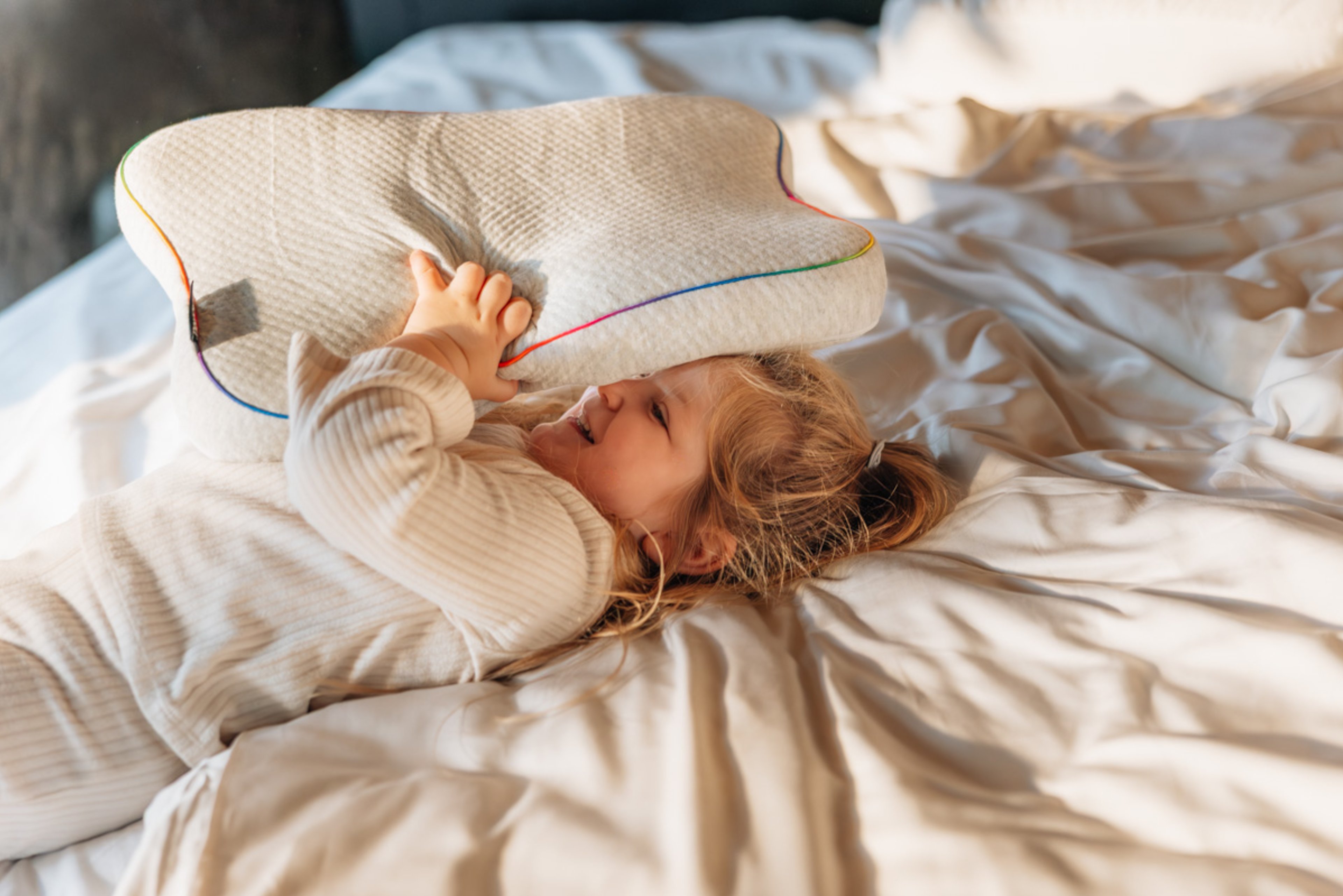
When your child sleeps, you sleep too.
Good sleep is just as crucial for children as it is for adults—for development, concentration, and rest. The right pillow can make all the difference.
What your child really needs at night—and how you can help.
For children, good sleep is much more than just rest. It’s the foundation for growth, learning, and emotional stability. During the night, the body regenerates, the brain processes experiences—and growth hormone is released. That’s why children need significantly more sleep than adults, and their sleep needs vary greatly depending on their age.
How much sleep does my child need?
Sleep needs change with every developmental milestone. Use these guidelines as a reference:
- Newborns (0–3 months): 14–17 hours
- Infants (4–11 months): 12–15 hours
- Toddlers (1–2 years): 11–14 hours
- Preschoolers (3–5 years): 10–13 hours
- School-age children (6–13 years): 9–11 hours
- Teenagers (14–17 years): 8–10 hours
Why Bedtime Routines Are So Important
Children need consistent routines to make the transition from an active day to a night’s rest. Bedtime routines—whether reading aloud, playing soft music, or doing gentle relaxation exercises—signal to the nervous system: It’s time to wind down. They provide structure, create a sense of security, and simultaneously strengthen the bond between parents and children. What works best varies from child to child—what’s important is consistency, not the routine itself.
The Right Sleep Environment
Temperature, light, and noise affect how deeply a child sleeps. The ideal conditions are a room temperature of about 18 °C, as much darkness as possible, and no disruptive noises. Electronic devices don’t belong in a child’s bedroom—the blue light suppresses melatonin production and can delay falling asleep by hours. All screens should be turned off at least one hour before bedtime.
Ergonomic Support Starting at Age 4
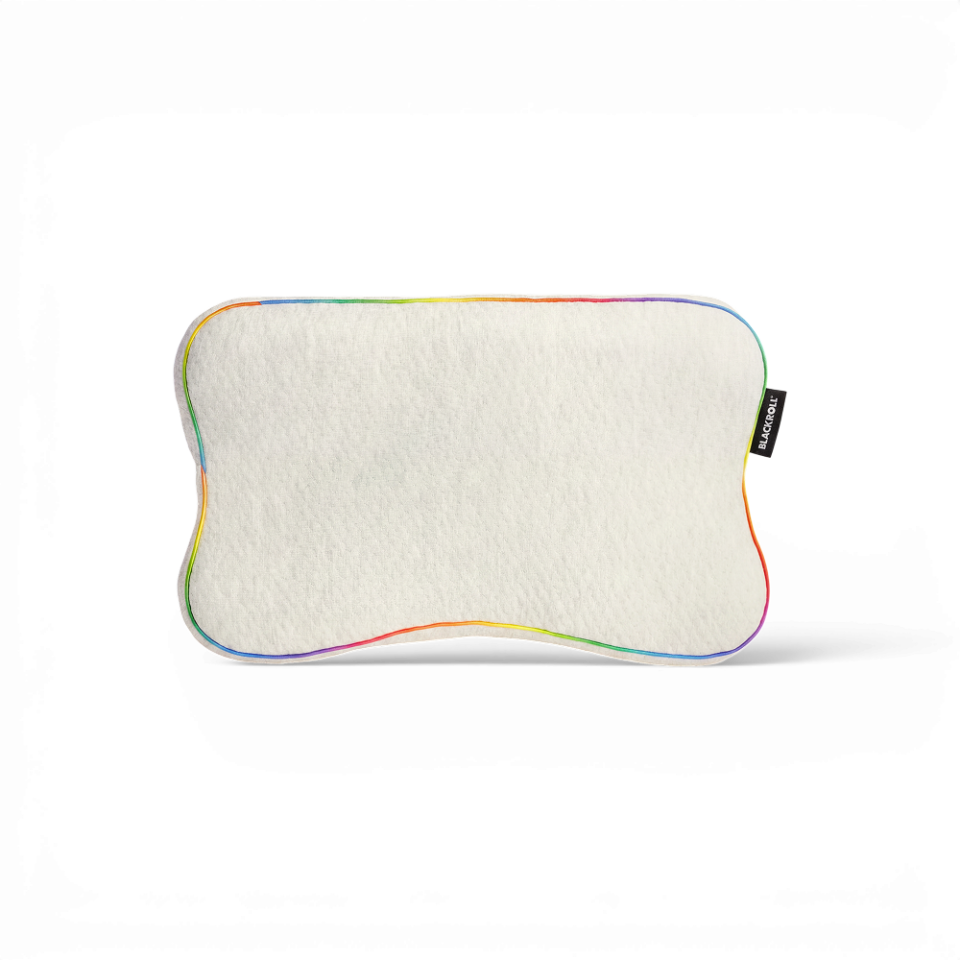
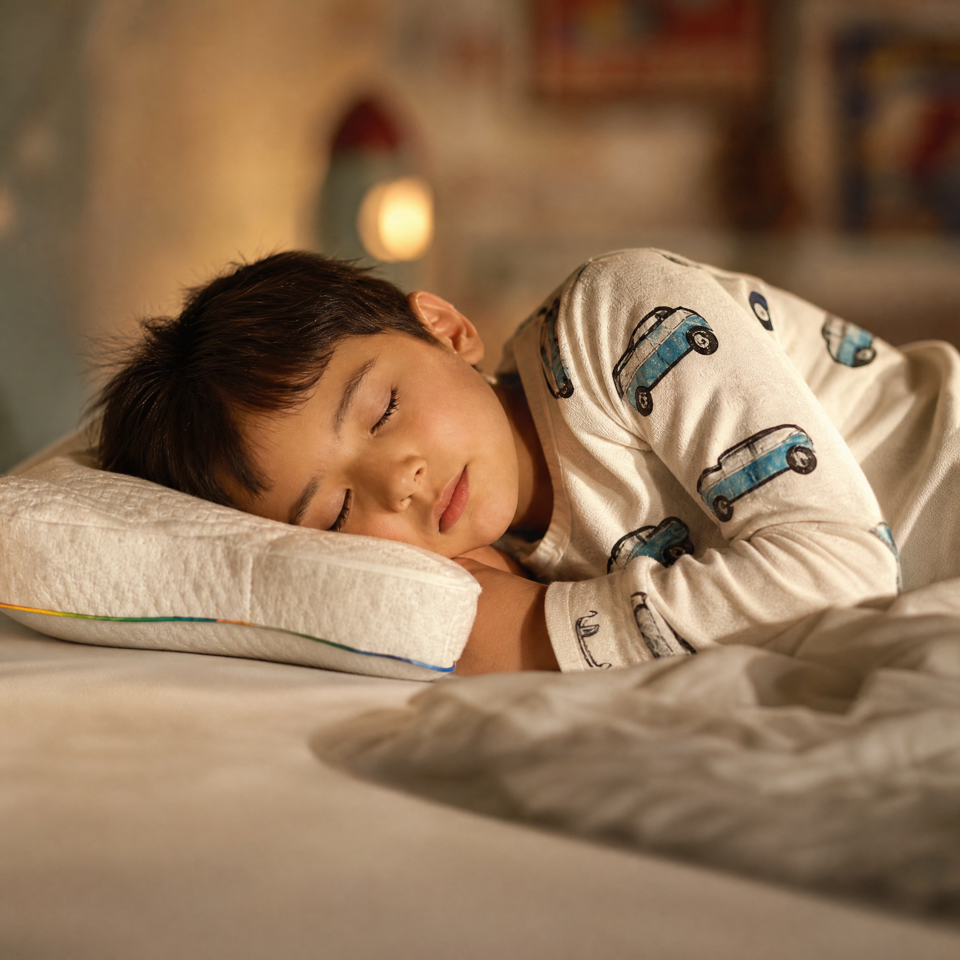
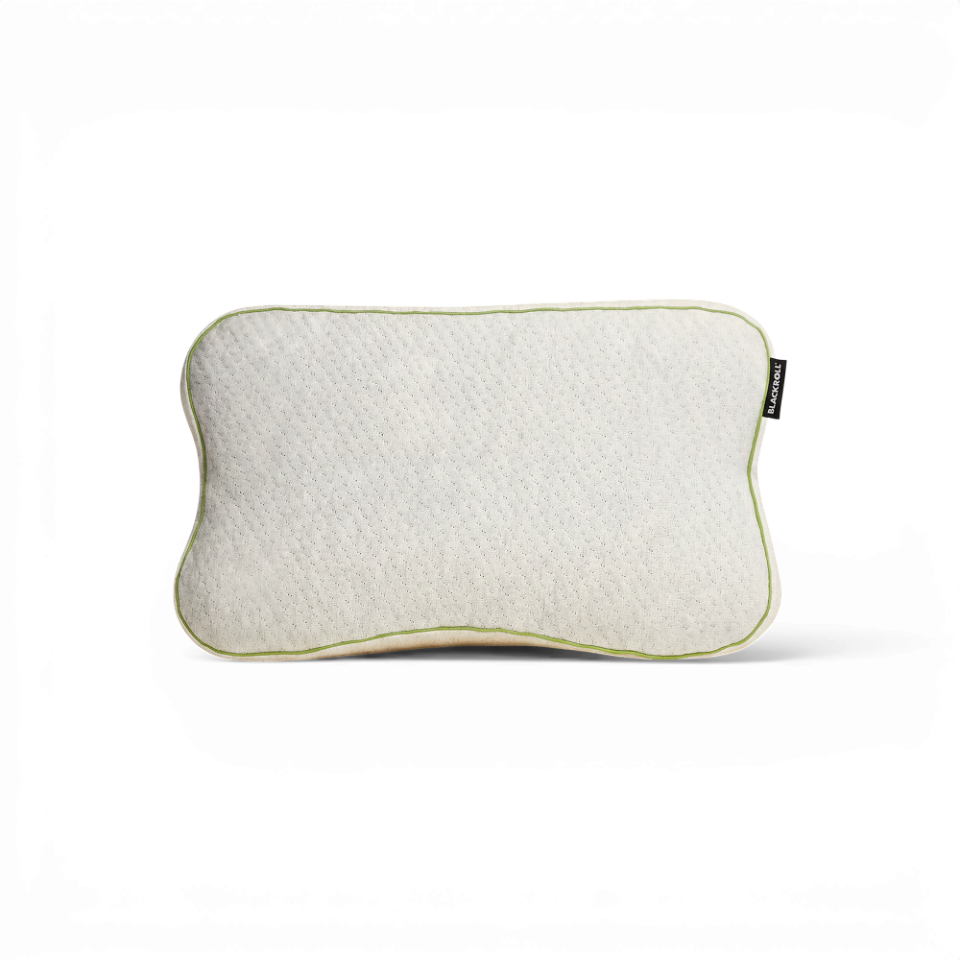
Children’s cervical spines are still developing and require age-appropriate support. Starting around age four, experts recommend an ergonomic children’s pillow that keeps the head and neck in a natural position. The BLACKROLL® Recovery Pillow Kids was developed specifically for the anatomical needs of young sleepers—for a relaxed spine and deep, restful sleep.
When Should You Be Concerned?
Not every difficult night means your child has a sleep disorder. Experts only consider it a genuine disorder if your child regularly takes more than 30 minutes to fall asleep, wakes up more than three times a night, or if the situation is causing long-term stress for the whole family. In this case, it’s worth talking to your pediatrician—without feeling guilty.
Good sleep starts early.
Peaceful nights. For the whole family.


BLACKROLL® Sleep Collection
Developed with experts. Backed by results.


So Mom and Dad can fall asleep more easily, too—with the right exercises.


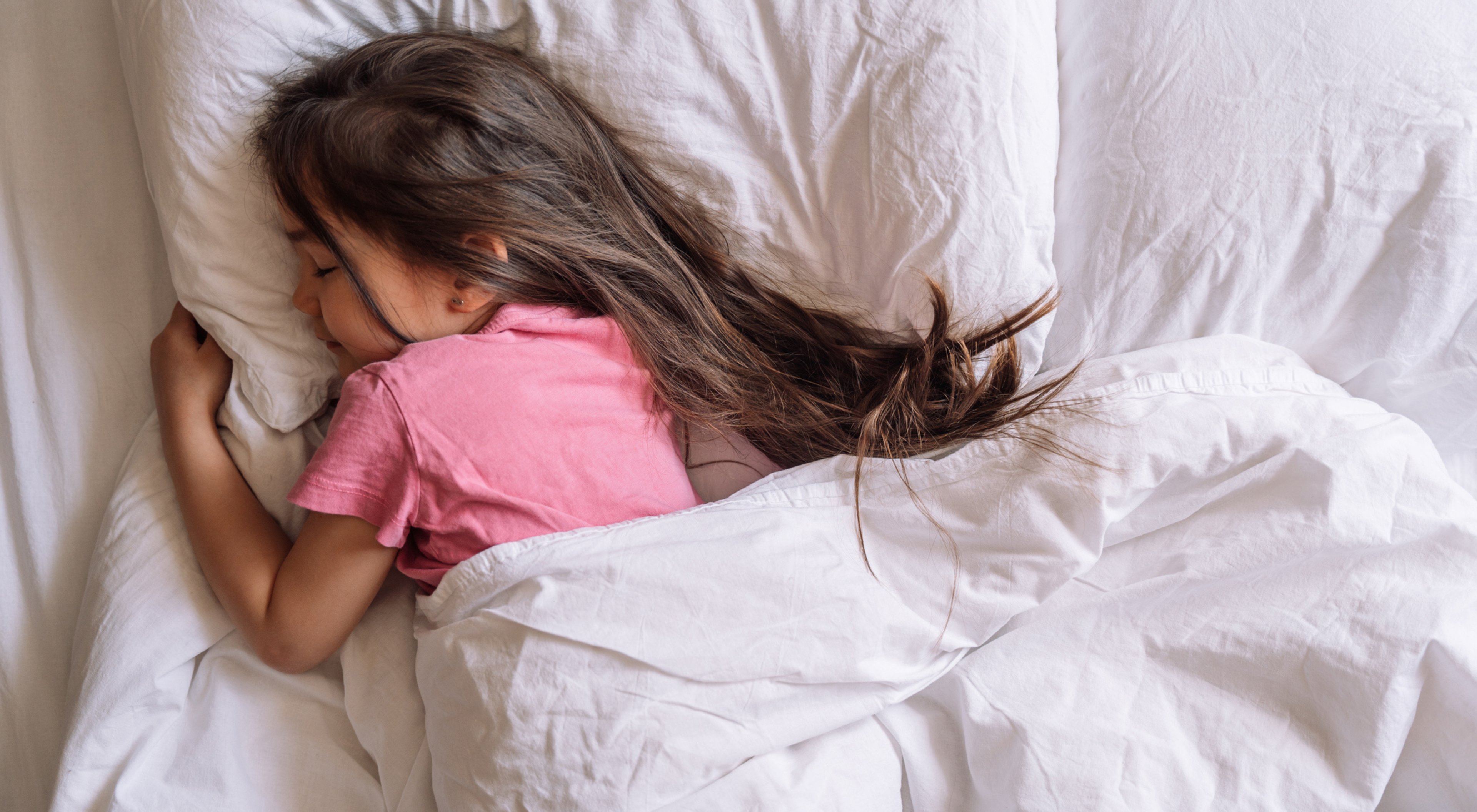
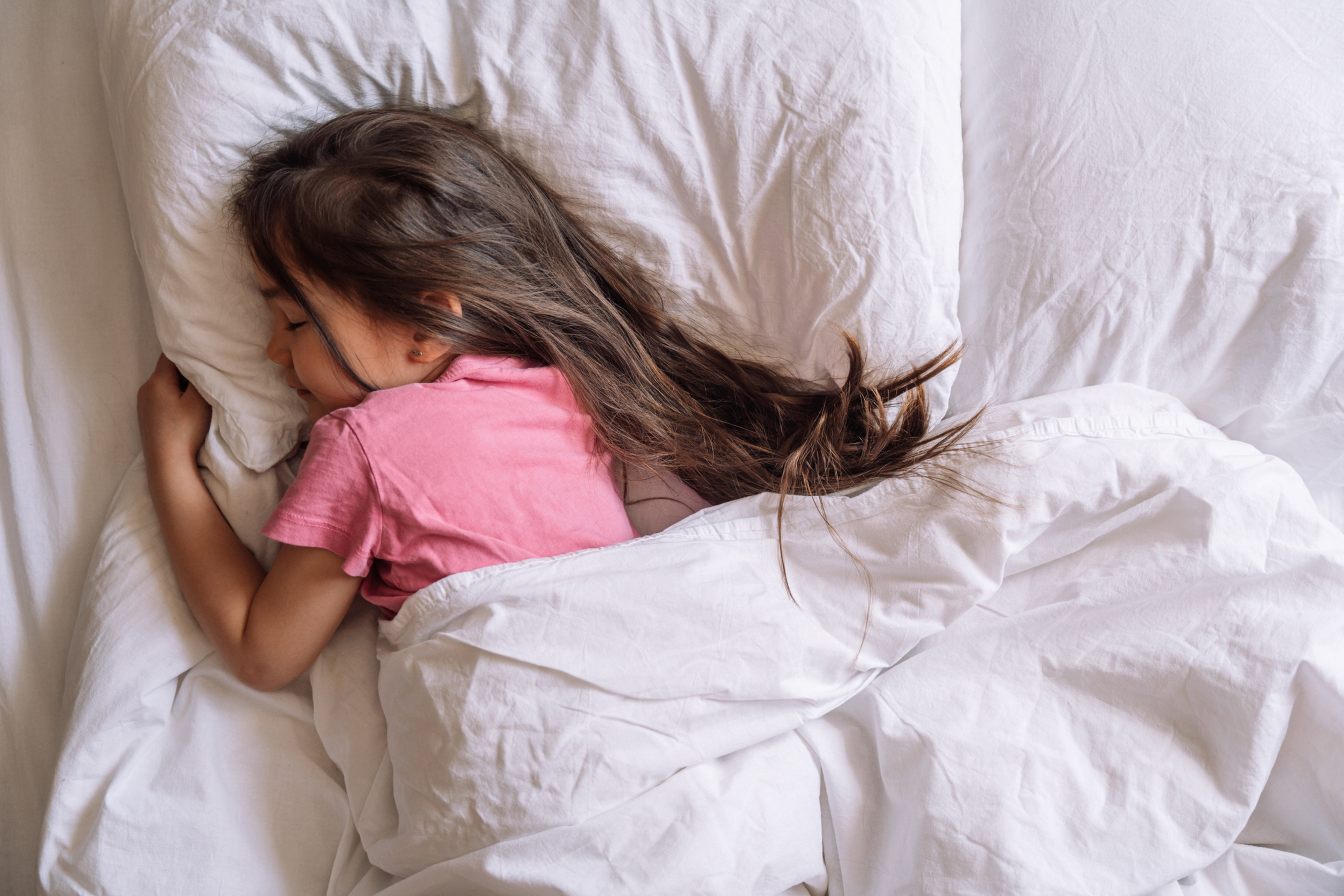
Over the course of 21 days, our sleep experts will show you how to improve your child’s nights for the long term—simple, practical, and effective right away.
Read your way to better nights—for your child.







For the nights that are yours.
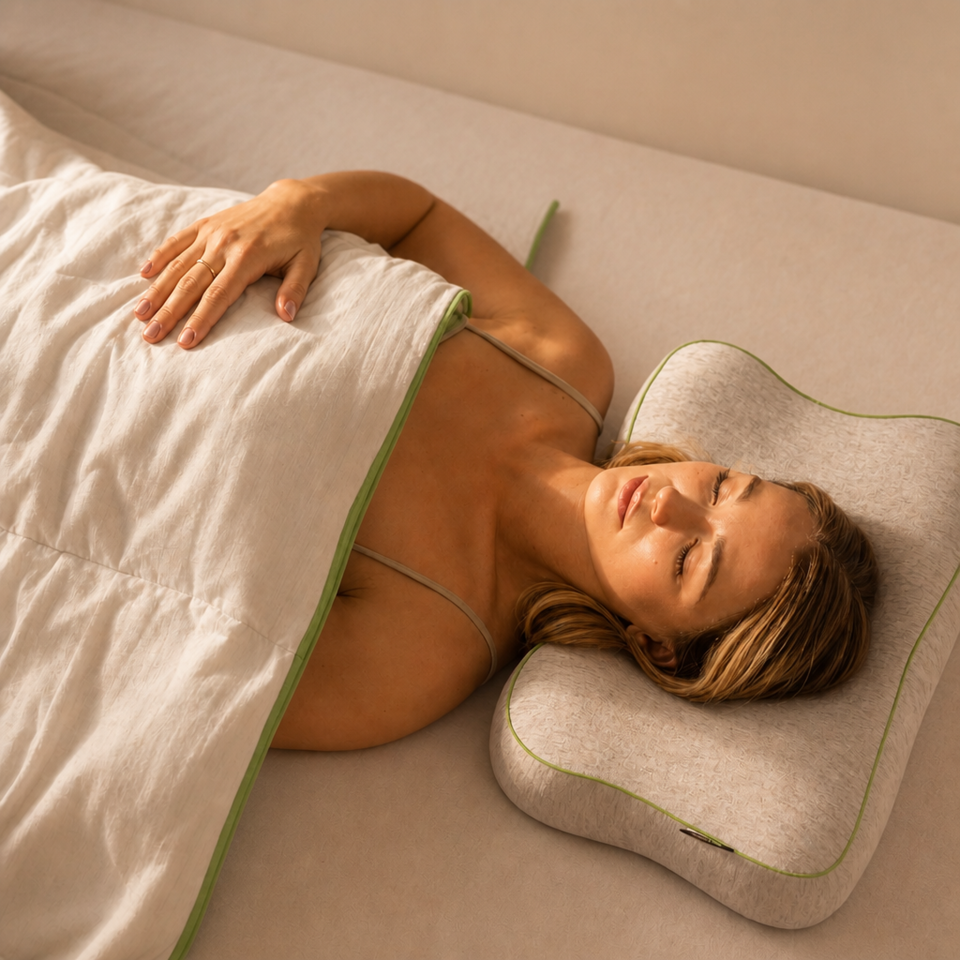
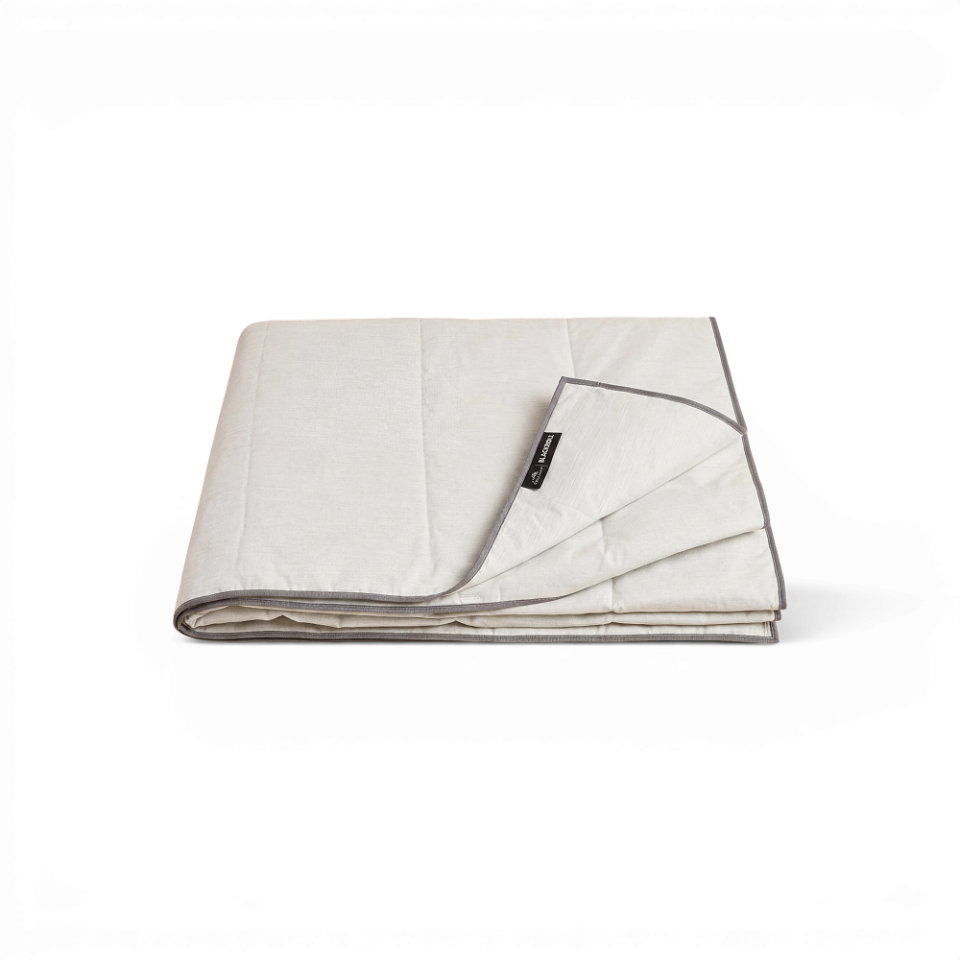
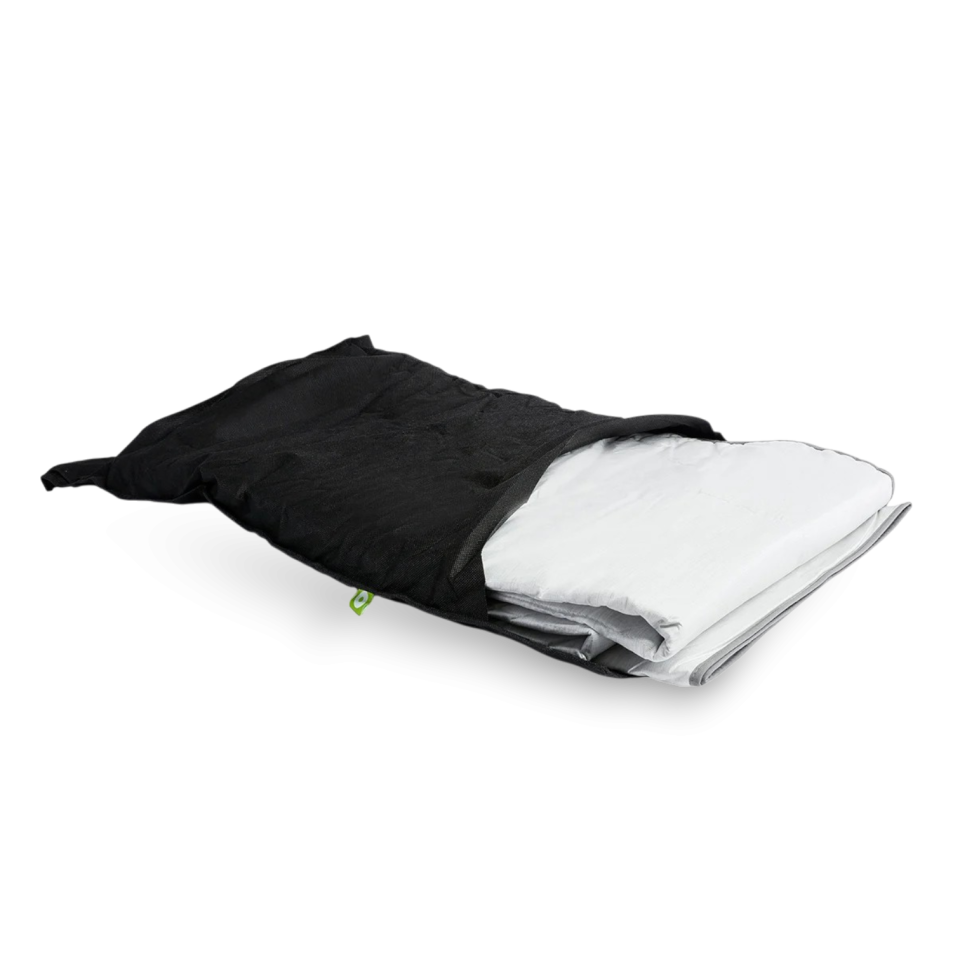
Recovery Blanket Summer
Available in multiple variants
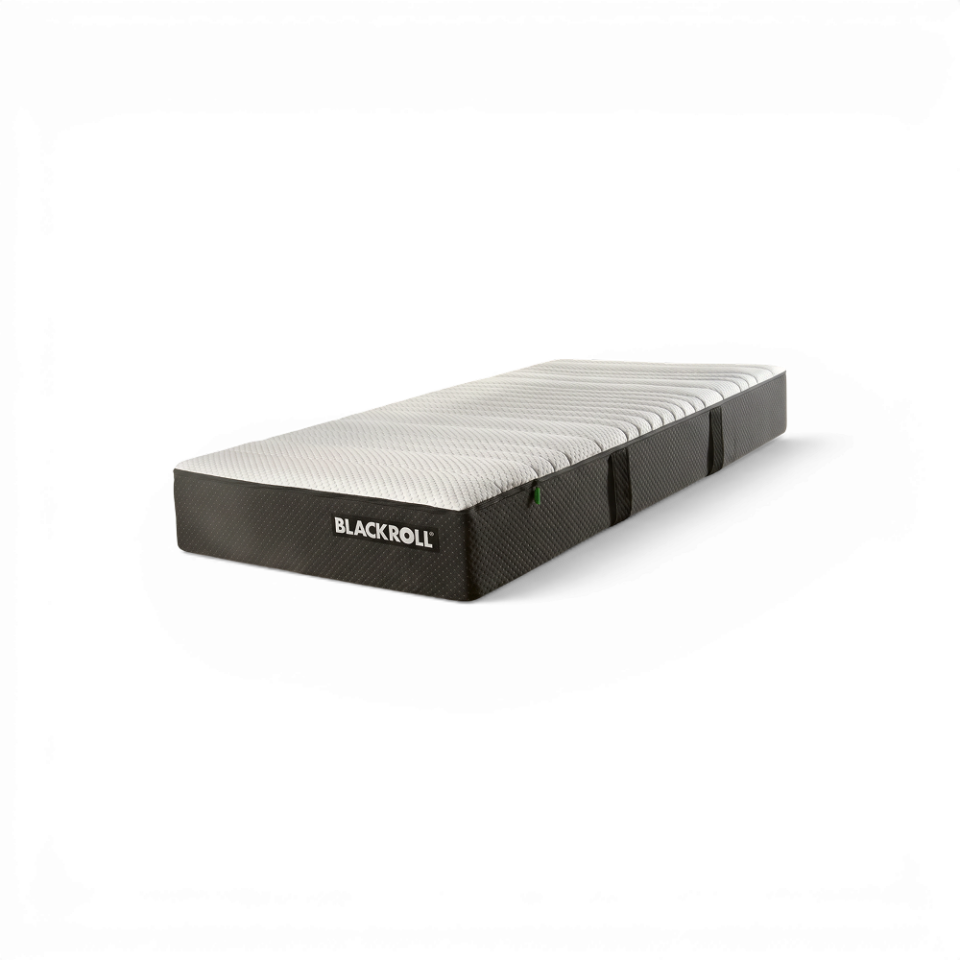
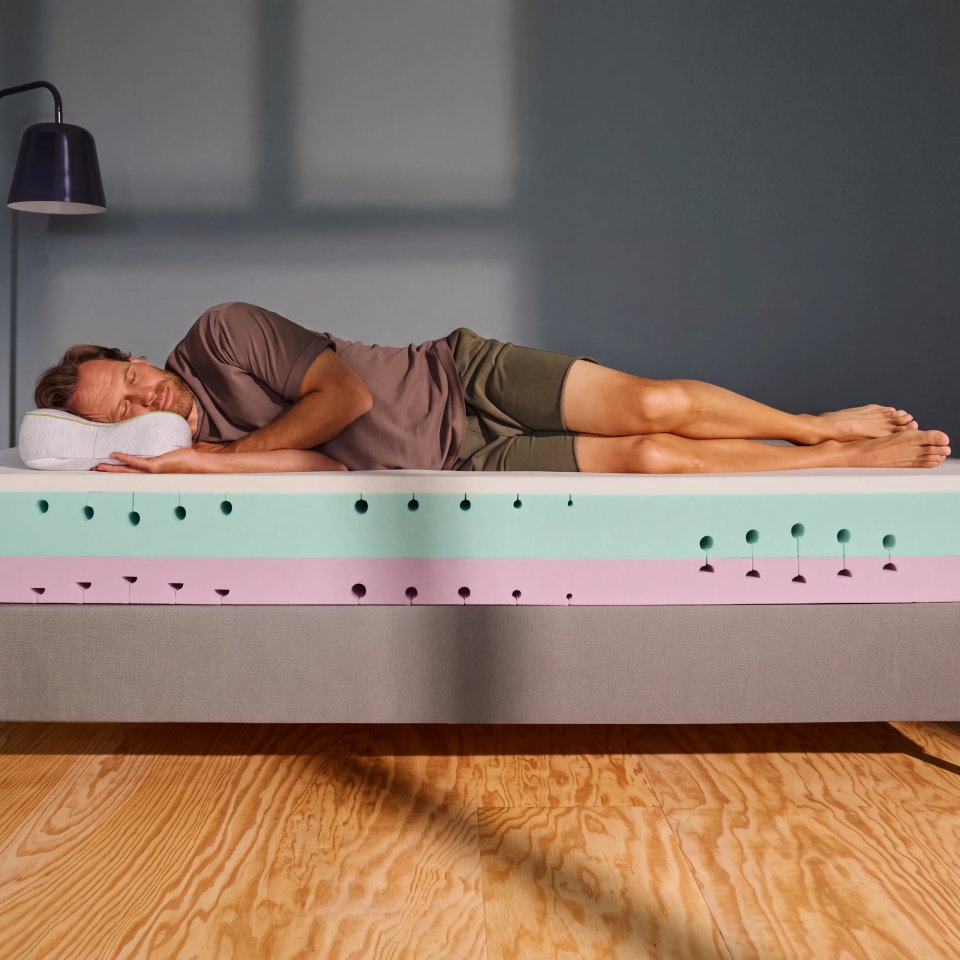
Recovery Base 2.0
Available in multiple variants
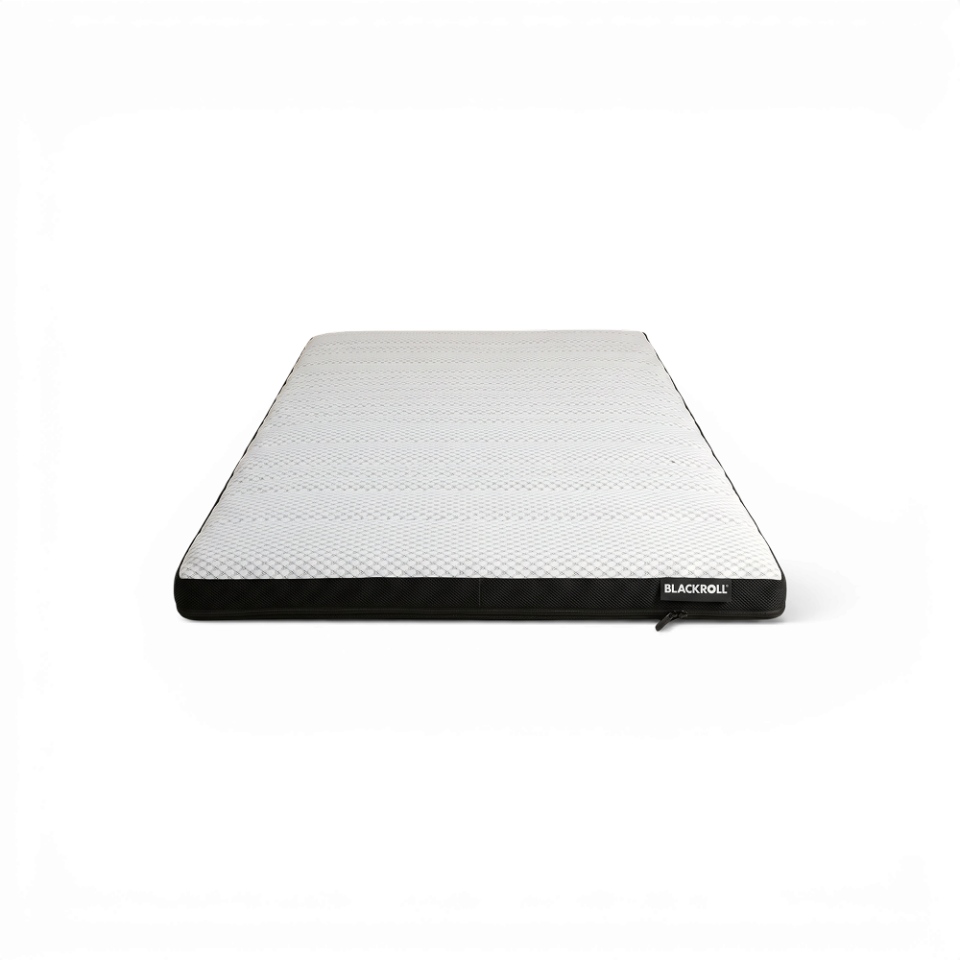
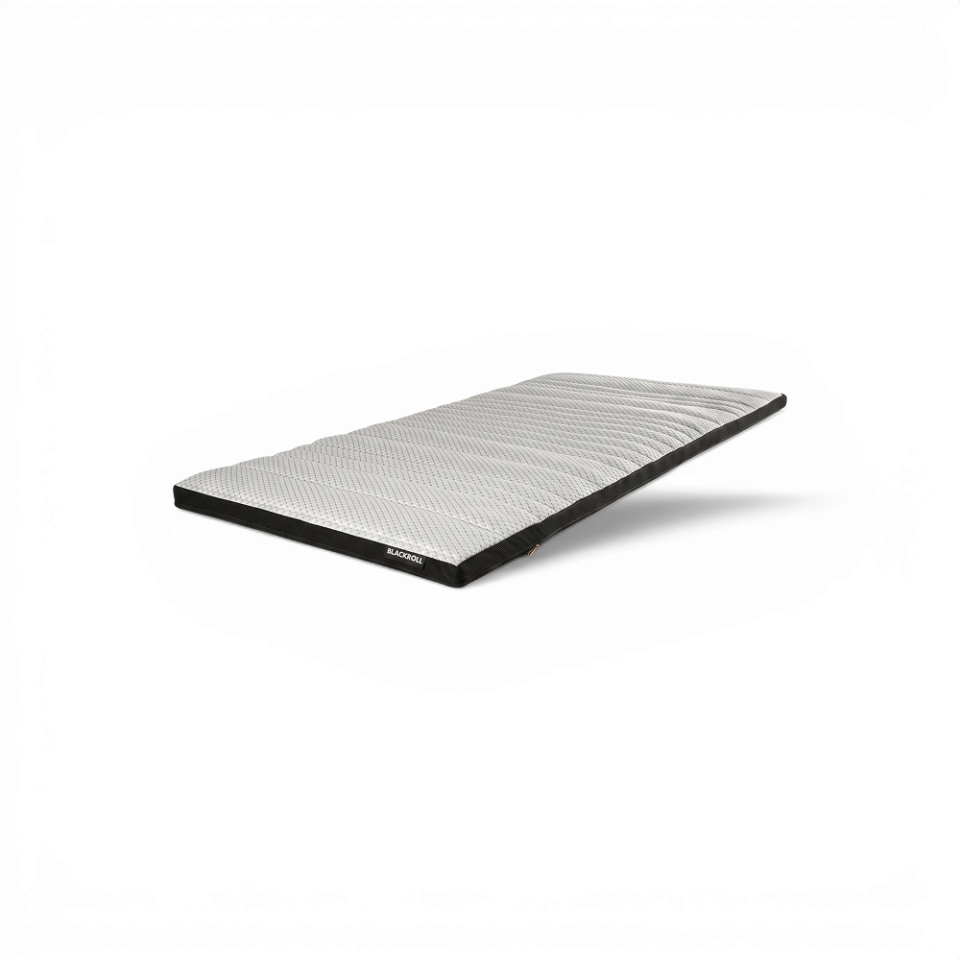
Comfort Topper 2.0
Available in multiple variants
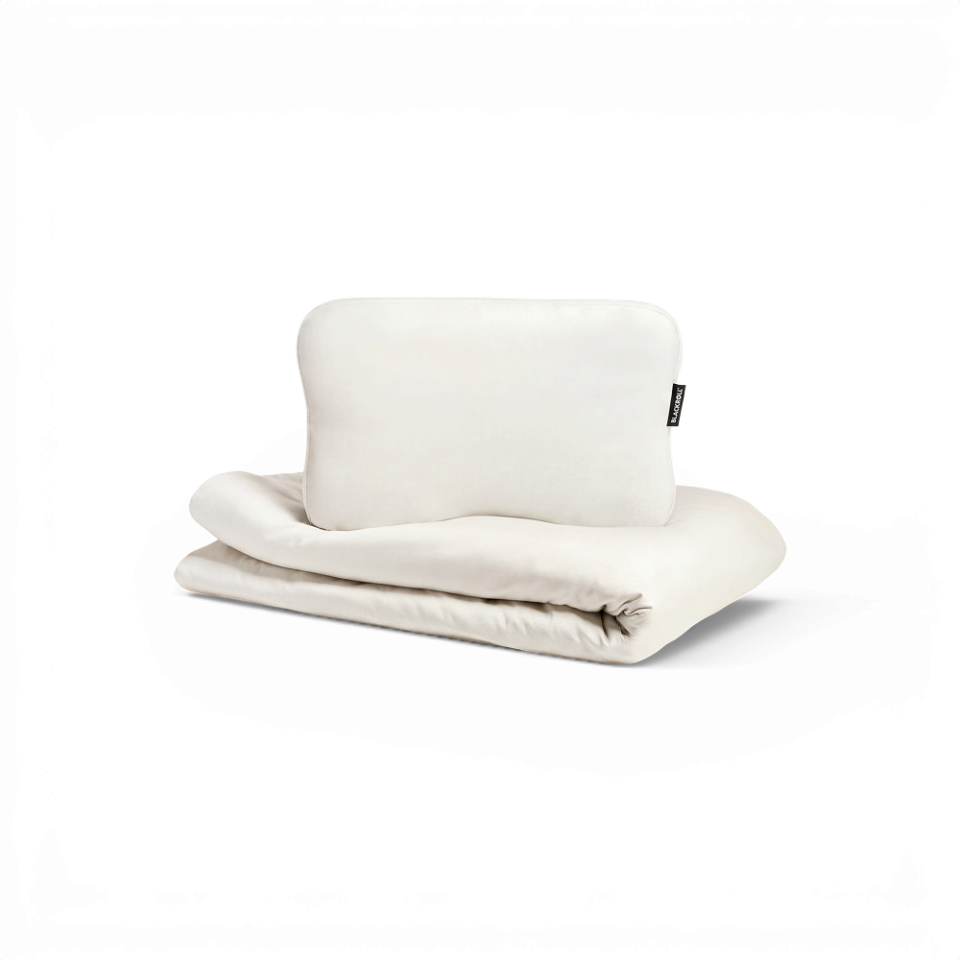
Bedding Set Premium Comfort
Available in multiple variants