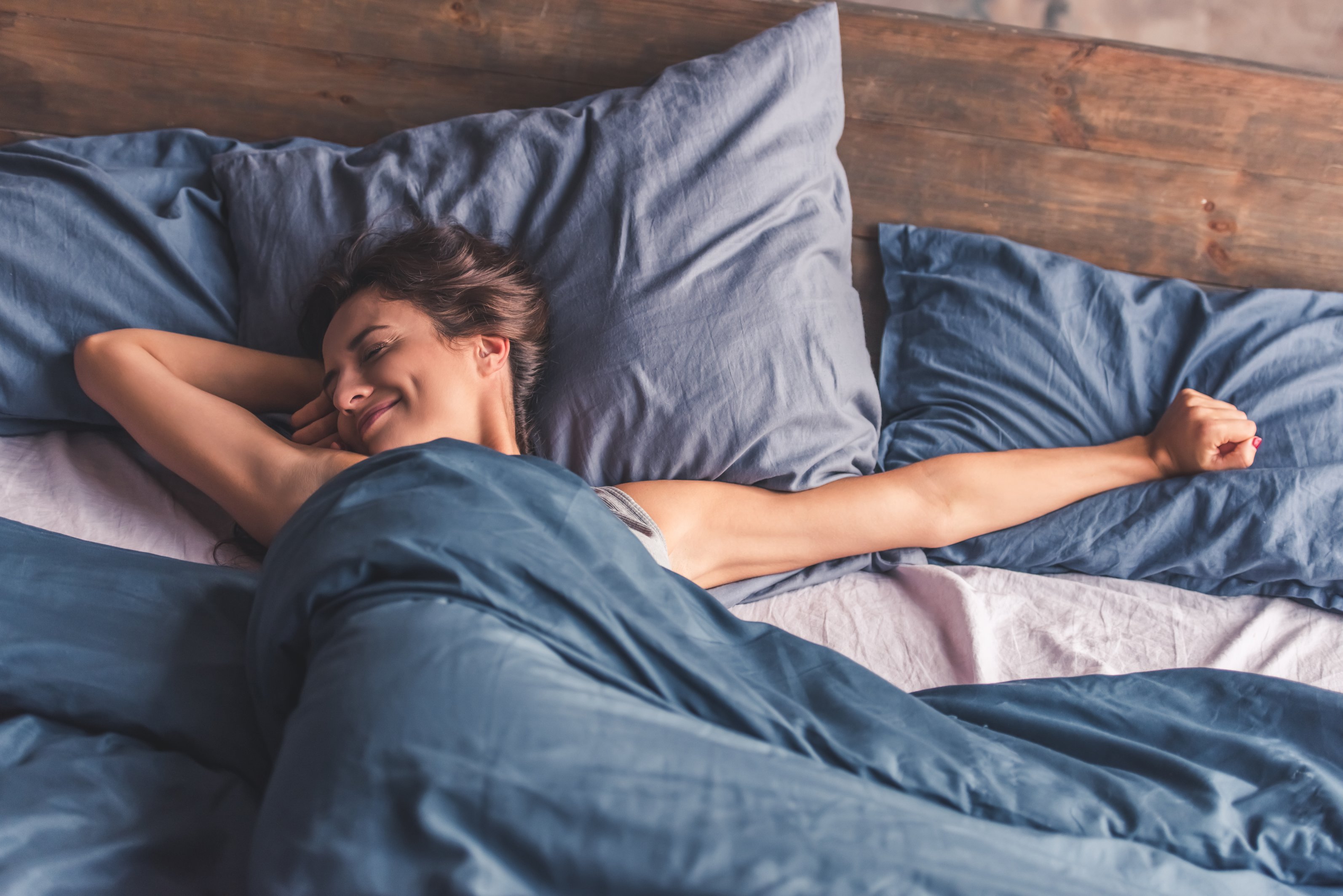
Sleeping in Other Cultures: Fascinating Sleep Habits Around the World

How, when, and where people sleep is by no means the same everywhere. While here in the West a separate bedroom with a bed and a solid night’s rest is the norm, other cultures sleep on mats on the floor, in hammocks under the open sky, or together with the whole family. Some take an afternoon nap, while others spread their sleep throughout the day—depending on climate, lifestyle, and tradition.
If you look beyond your own horizons, you’ll discover astonishing differences in sleep habits around the world—and learn a lot about cultural values, community, body awareness, and flexibility. This article takes you on a journey around the globe: from the siesta in Southern Europe to the futon in Japan, from the polyphasic sleep patterns of indigenous peoples to modern sleep trends in megacities.
You’ll learn just how differently people sleep—and what you can take away from this for your own sleep hygiene.
Your companion for more restful sleep and renewed energy
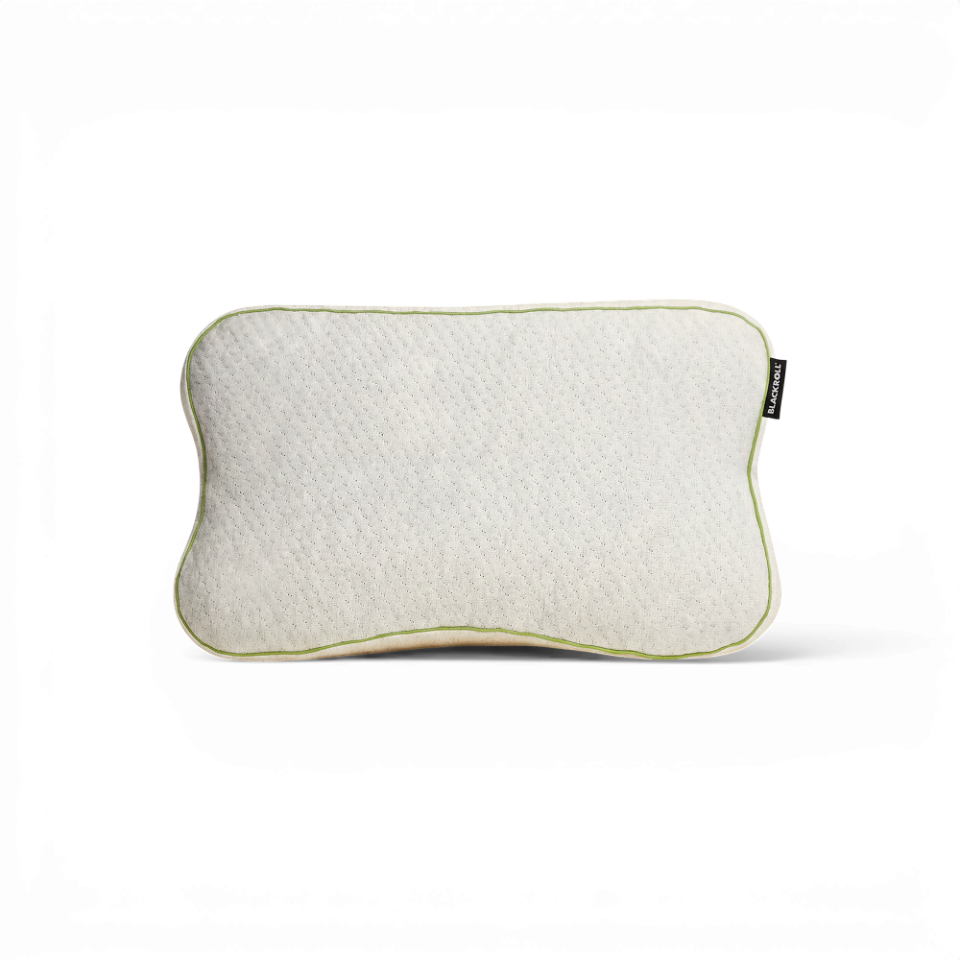
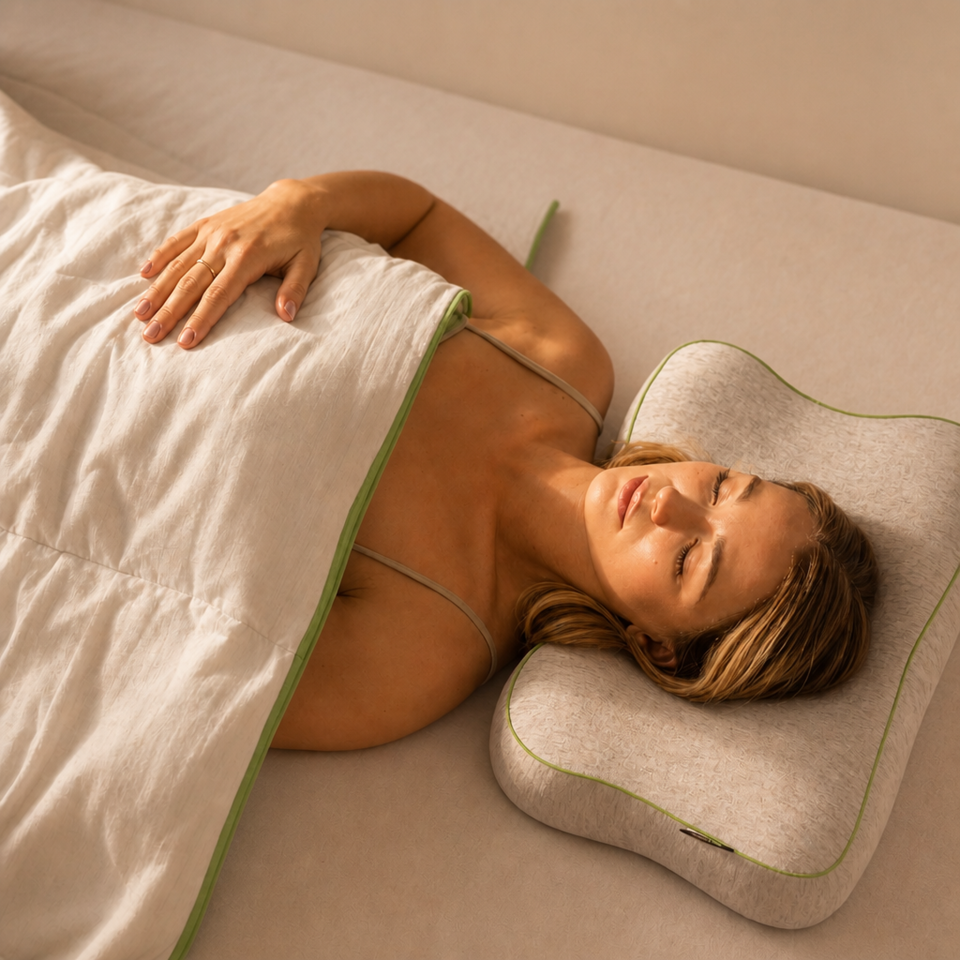


Pillow Case Jersey
Available in multiple variants
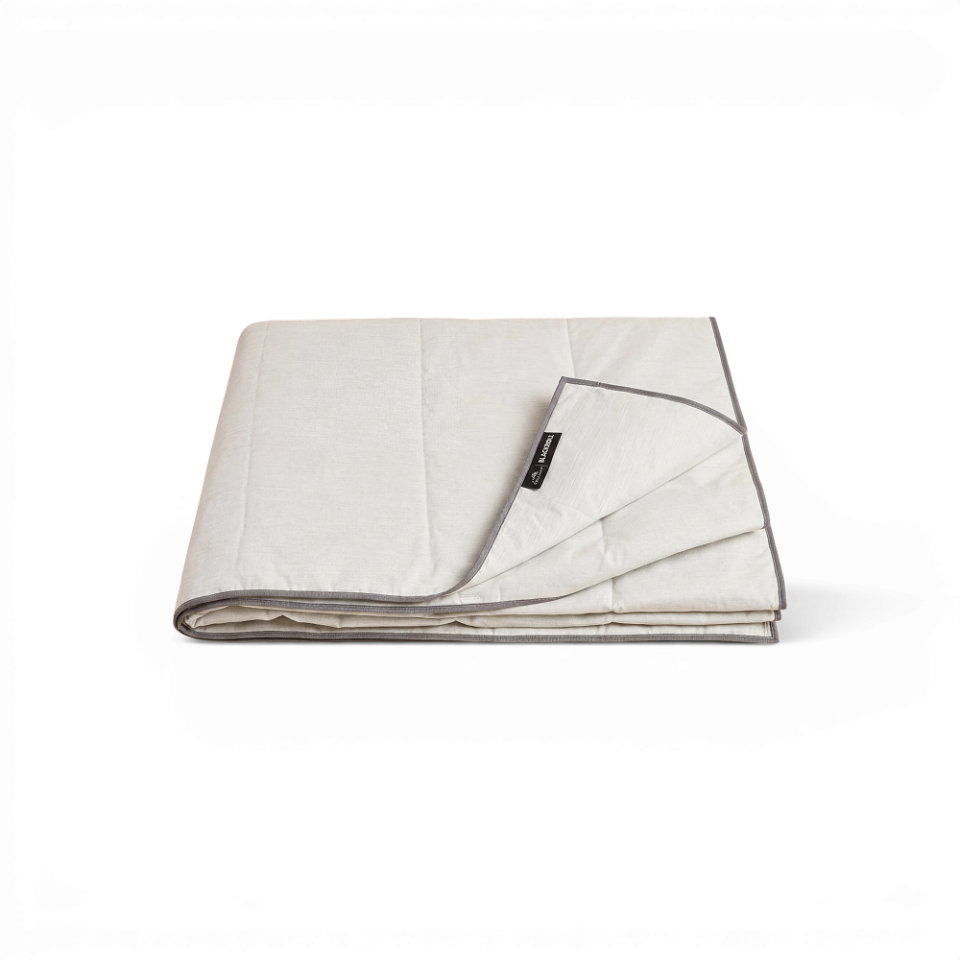

Recovery Blanket Summer
Available in multiple variants

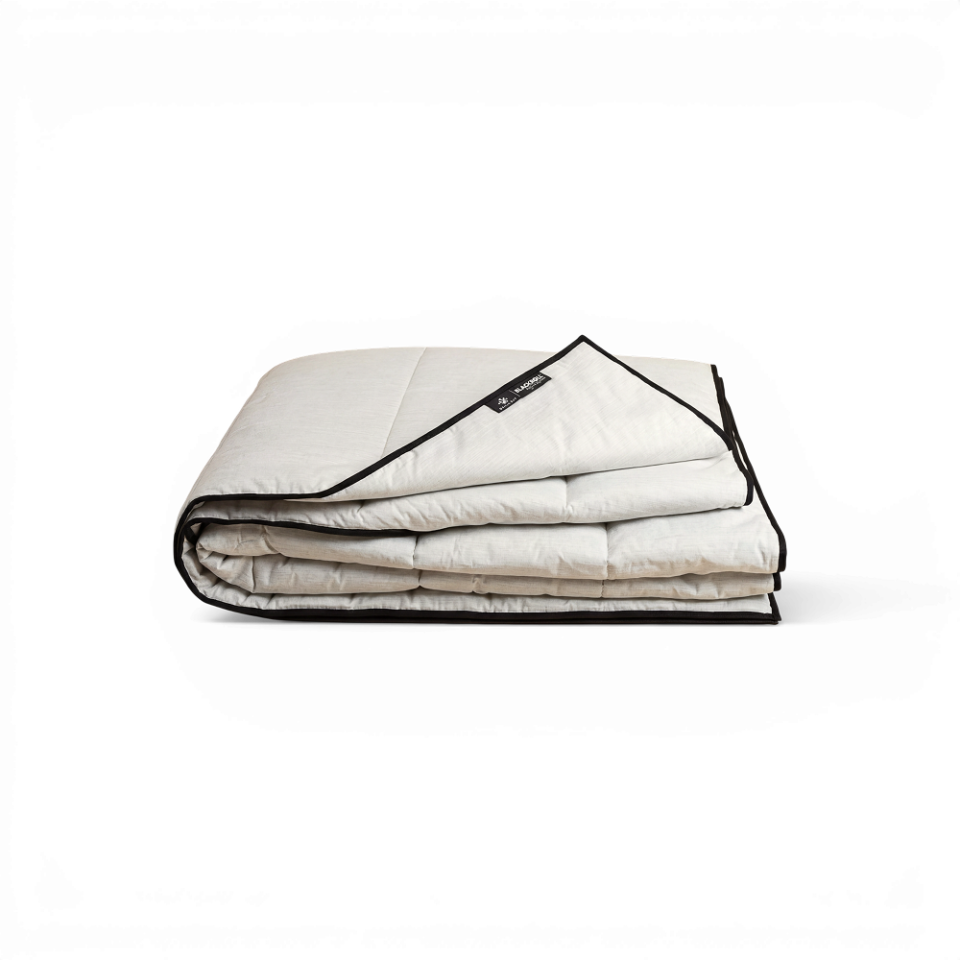
Recovery Blanket Winter
Available in multiple variants

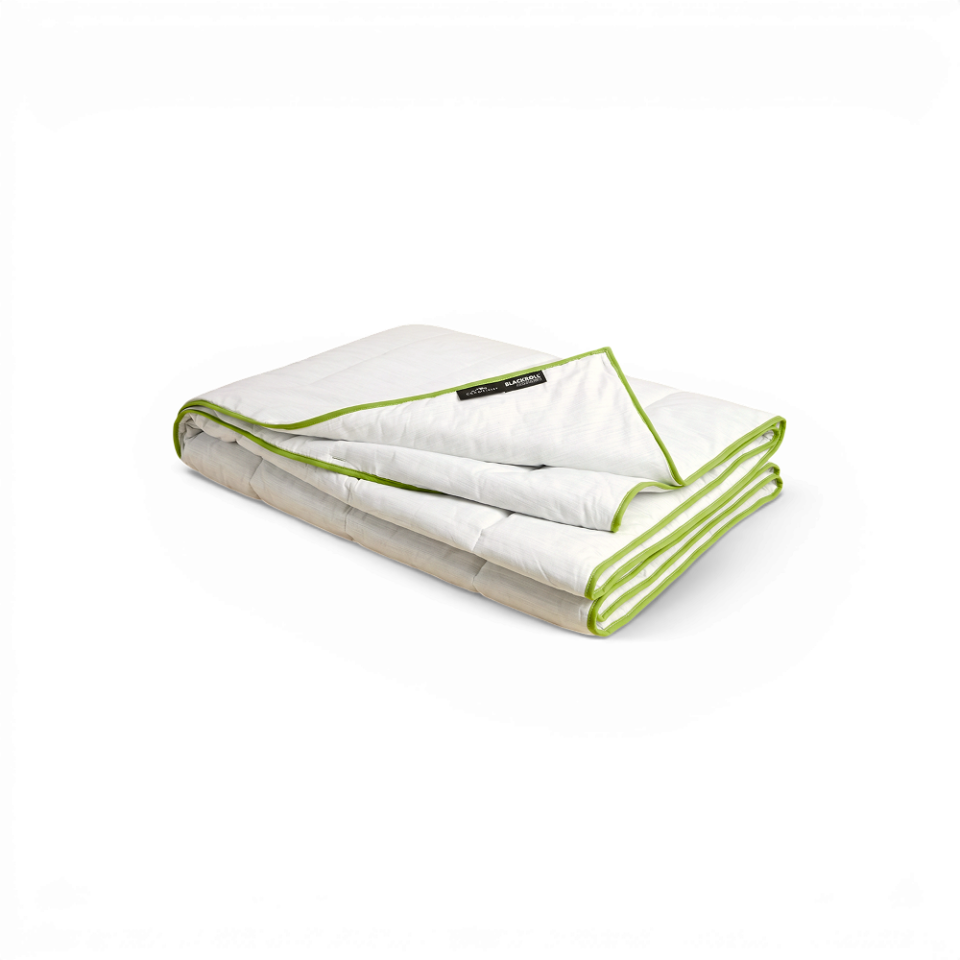
Recovery Blanket All Year
Available in multiple variants

Sleep Habits Around the World – How the World Sleeps Differently
From a global perspective, there is no one-size-fits-all answer to the question of how people sleep. While eight hours of undisturbed nighttime sleep is generally considered the ideal in Western countries, many cultures have entirely different rhythms, priorities, and approaches to sleep.
In some parts of the world, sleep is closely tied to the social fabric—for example, when multiple generations sleep in the same room or when beds are put away entirely during the day. Elsewhere, sleep is a highly functional process, adapted to work, climate, or religious rituals. Some cultures prefer a fixed bedtime, while others align more closely with sunrise and sunset.
The duration of sleep also varies greatly: In urban centers in Asia or the Americas, people often sleep less than in rural areas—not out of tradition, but due to time constraints. And while polyphasic sleep patterns are commonplace in some regions, they are considered exotic or even unhealthy in others.
In short: Sleep habits are not a global norm, but rather an expression of cultural diversity. They show how differently people shape what appears to be an everyday activity—and open up exciting perspectives for our own approach to sleep.
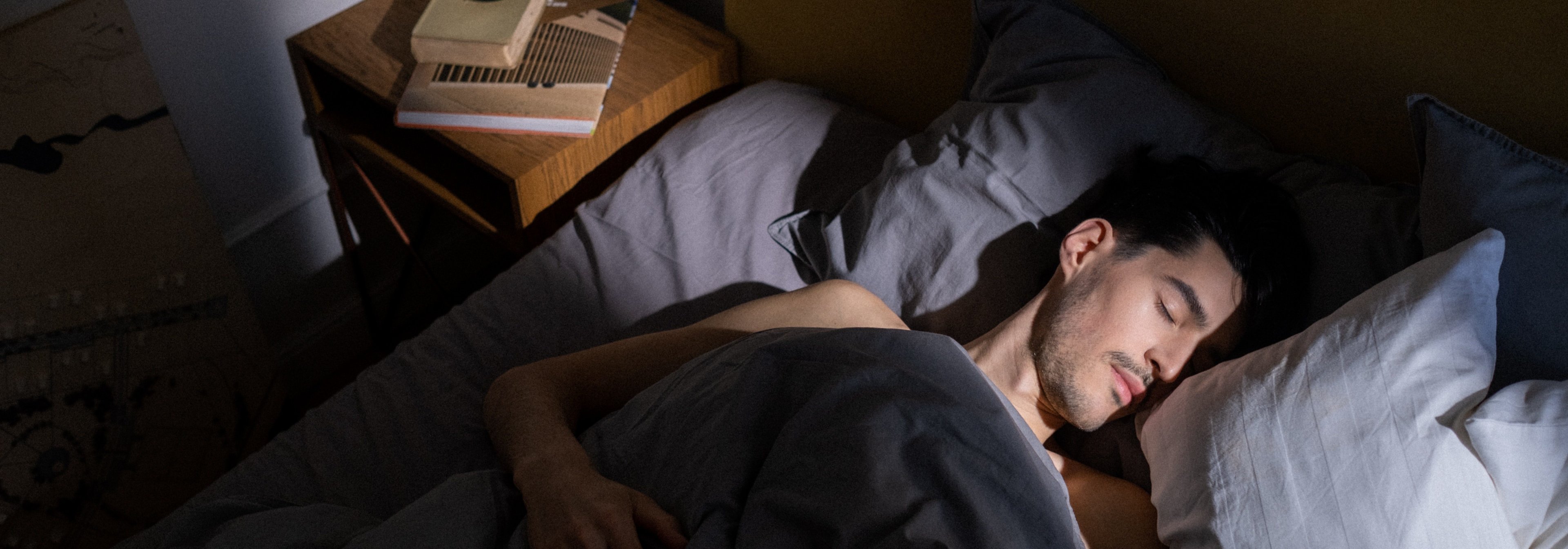
Sleeping in Asia: Floor Mats, Power Naps, and Family Closeness
Sleeping in Asia differs in many ways from the Western ideal. Instead of large beds with thick mattresses, floor mats, futons, or thin sleeping pads are common in many countries—often spread out directly on the floor and rolled up again in the morning. This sleeping culture is not only considered space-saving and hygienic, but is also viewed in many cultures as beneficial for the back and posture. In some Asian cultures, sleeping on hard surfaces is considered beneficial for the back and posture, as it is believed to provide better support for the spine. In reality, this effect varies from person to person—but it is scientifically established that very soft or sagging mattresses often contribute to back problems.
Japan: Inemuri, Futons, and Naps at Work
For the Japanese, sleeping on the floor is a deeply rooted tradition. A futon is spread out on the tatami floor, providing restful sleep at night and disappearing during the day—which saves space and offers flexibility. In addition, the practice known as “inemuri” is widespread in Japanese society—a short nap while sitting, for example on the subway or even in the office. Unlike in our culture, this behavior is not interpreted as laziness but is often seen as a sign of diligence.
A study shows that Japan’s famous “sleeping in public” is a complex, socially regulated ritual: Those who doze off briefly while sitting demonstrate both diligence and presence—a cultural logic that differs significantly from Western norms of sleep and work.
China & India: Sleeping in the Multipurpose Room
In countries like China and India, too, sleeping spaces are often used functionally: In the evening, the living room transforms into a bedroom; mattresses or mats are rolled out, and entire families sleep together. Shared rooms and communal sleeping areas are common, especially in larger households or in rural areas. Here, closeness often takes precedence over privacy—a practice that strengthens a sense of community but is also deeply rooted in the culture.
Closeness, Adaptability, and Pragmatism
What is often considered uncomfortable in Europe is experienced in many Asian regions as practical, efficient, and unifying. Here, sleep is less of a retreat and more a part of everyday life—integrated, communal, and flexible. The way people sleep adapts to spatial and social circumstances—an expression of cultural pragmatism and functional use of space.
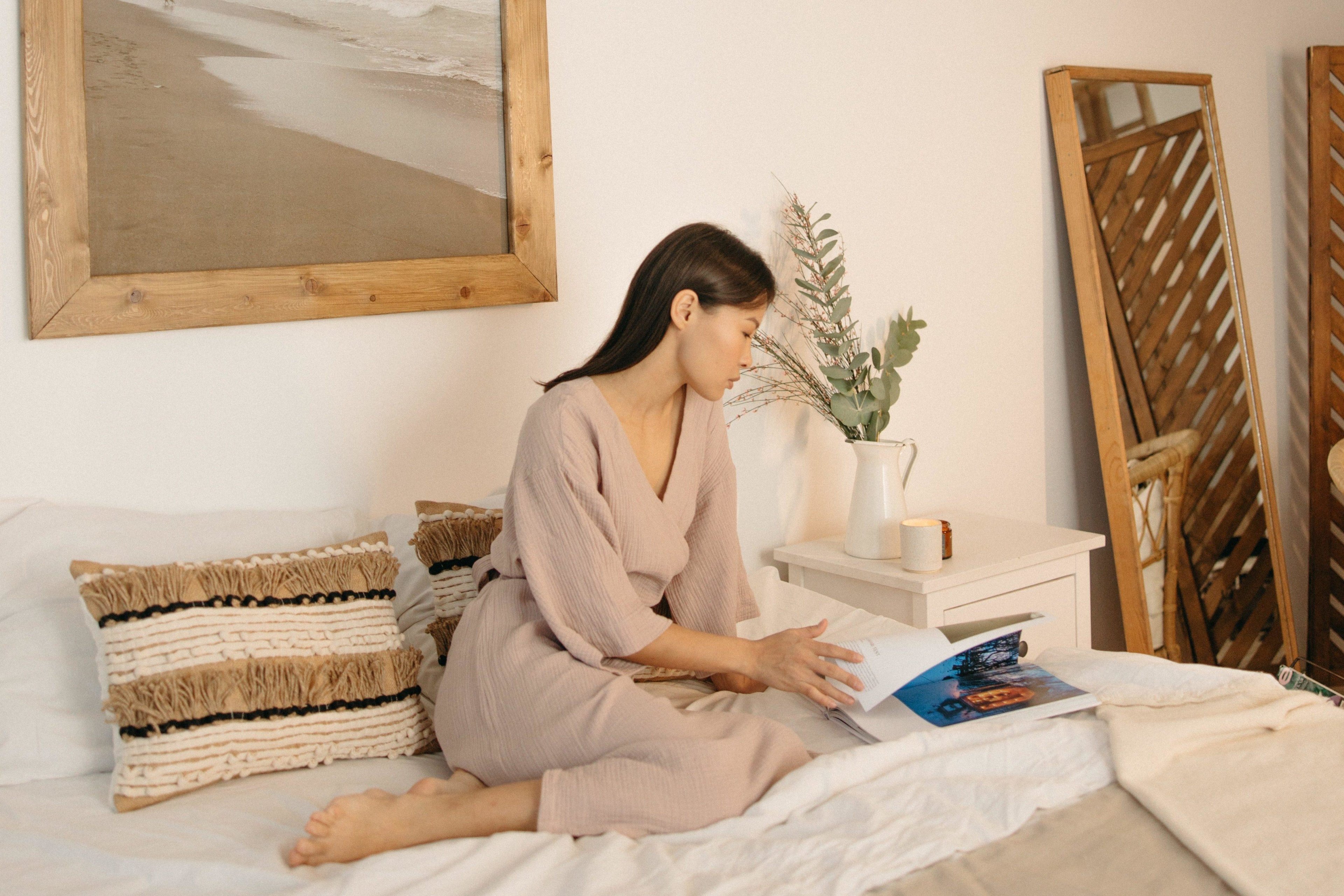
Designing a Healthy Bedroom: What Should You Keep in Mind?
Sleeping Environment: Designing a Healthy Bedroom.
This raises another question—can you sleep while standing?
For a short time—yes, but only in a very light drowsy state. Our muscle tone remains active while standing so we don’t fall over; however, true deep or REM sleep requires that our postural muscles relax. That’s why, in everyday life, we experience at most moments of microsleep when we “nod off” at the bus stop while exhausted. Animals like horses or flamingos have special joint-locking mechanisms for this, but humans do not. So anyone who tries to sleep standing up for an extended period will either soon fall against a wall or keep waking up because they have to readjust their balance. Ultimately, for restful sleep, our body needs a position in which it can let go of the need to maintain balance—sitting (as in the Japanese practice of inemuri) or lying down.
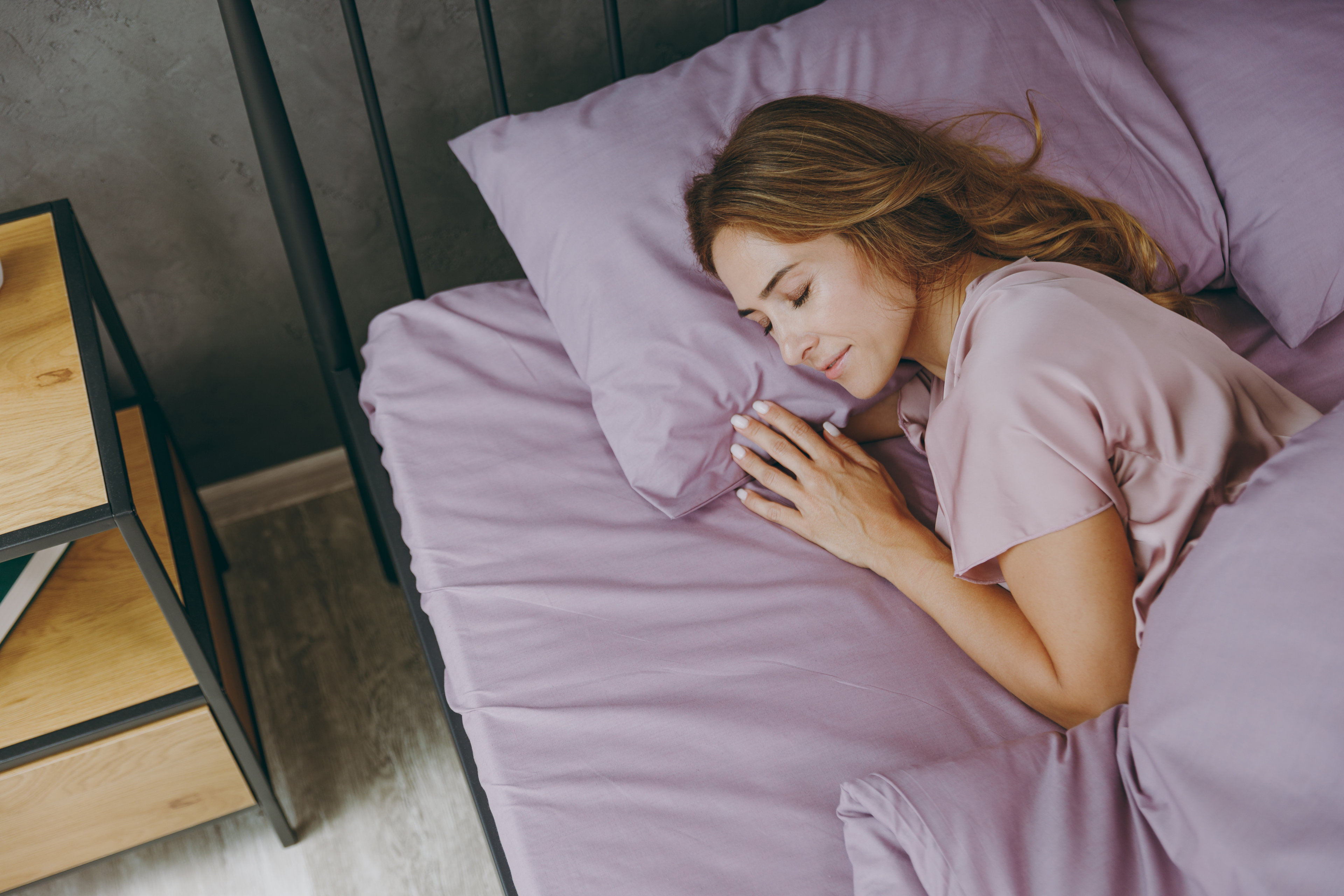
Sleeping Right: What’s the Best Sleeping Position?
Sleeping Position—Which One Is Best for Your Back?
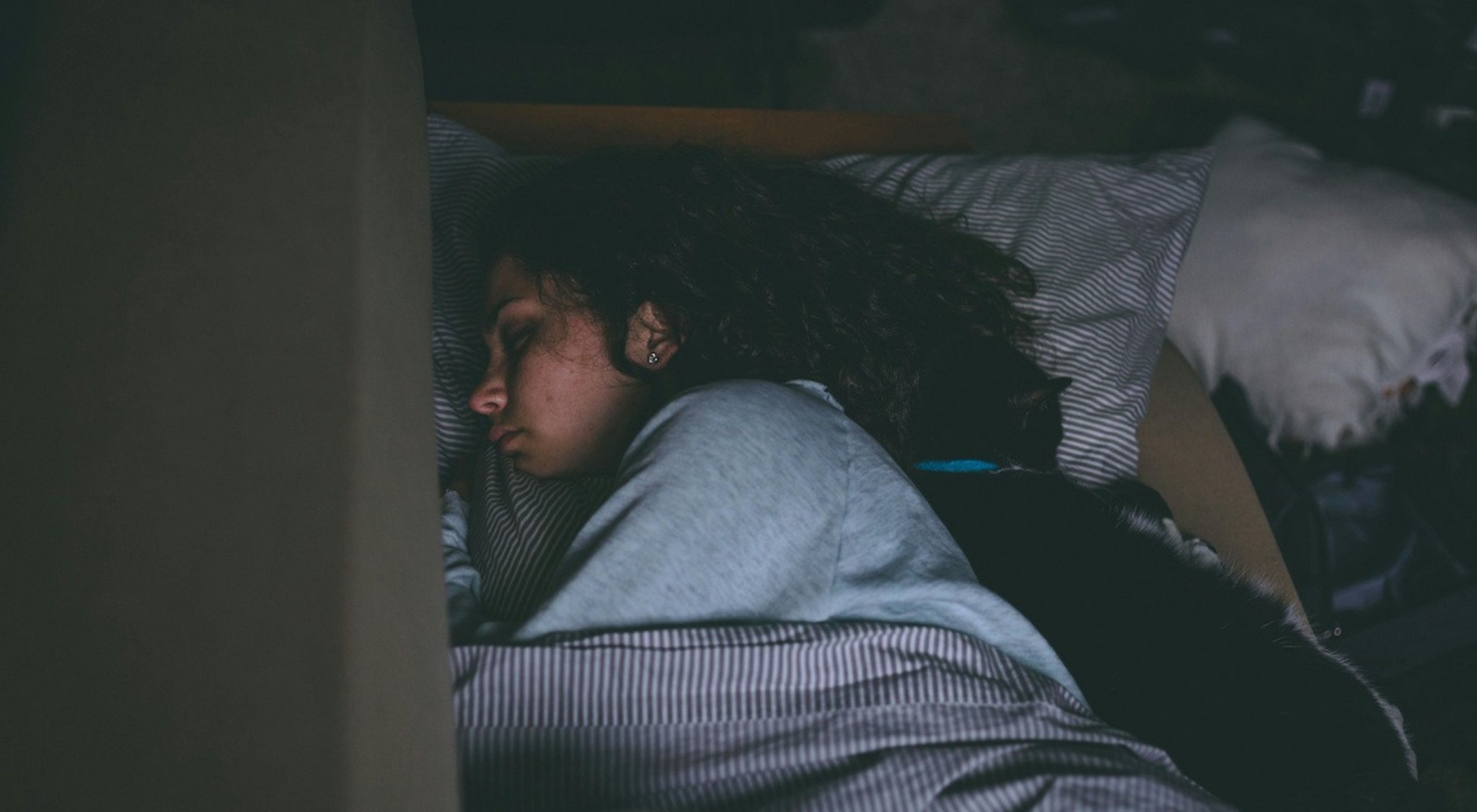
What Is a Siesta? Sleep Patterns in Southern Europe and Latin America
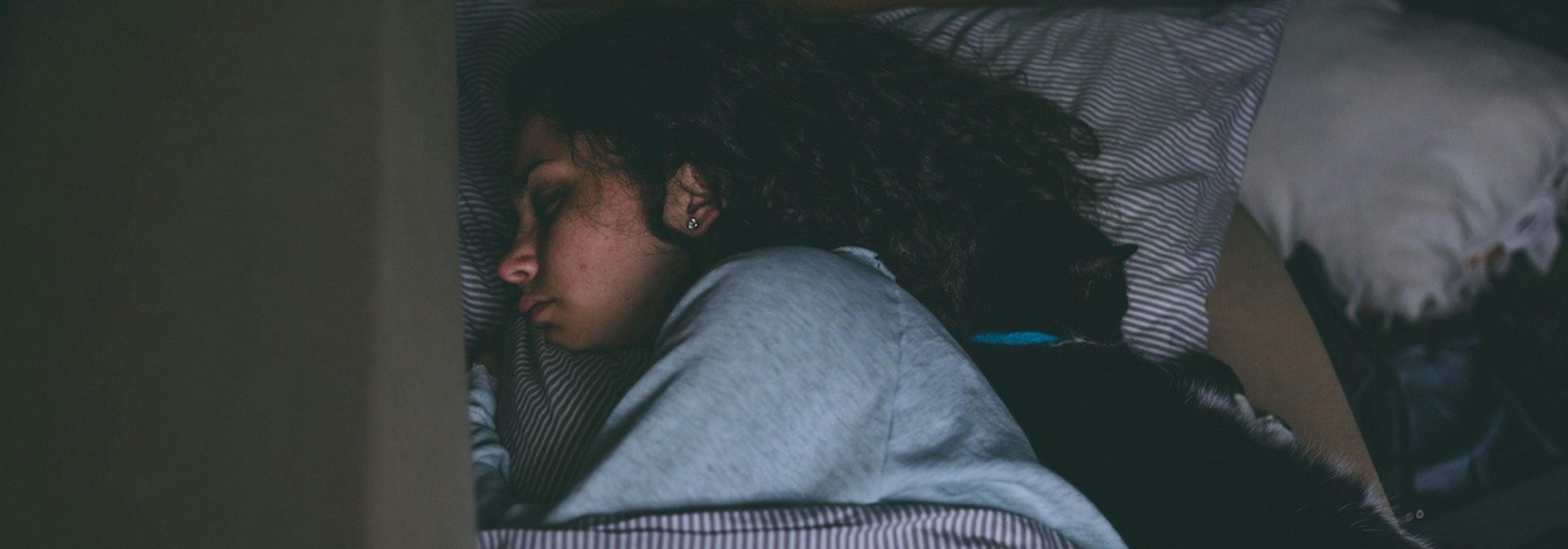
What Is a Siesta? The term refers to a short rest in the early afternoon, which is particularly common in southern countries—especially in Spain, but also in Italy, Greece, and parts of Latin America. Traditionally, people there rest after lunch, often for 20 to 60 minutes. However, the siesta is more than just a nap: it is an integral part of the daily rhythm and deeply rooted in everyday culture and climatic conditions.
In regions with intense midday heat, it has long been customary to avoid physical labor during the hottest hours. The midday break served not only for rest but also for productivity—those who take a short break can work with greater focus afterward. Even in the modern workplace, the siesta still has its place, especially in more rural areas or in professions with flexible daily schedules.
Polyphasic Sleep: Several Times a Day Instead of One Long Sleep
In some tropical regions—such as Central America, Southeast Asia, or among nomadic peoples—sleep is spread out over the course of the day. Polyphasic sleep patterns, in which sleep is divided into several short periods throughout the day and night, were widespread in pre-industrial societies and are still common today in some traditional cultures, particularly where work rhythms and climate are conducive to this. In some tropical regions—such as Central America, Southeast Asia, or among nomadic peoples—this practice is still followed today.
Animals and young children also sleep this way. In such cultures, sleep is not viewed as a single, uninterrupted block but as a flexible part of the day.
The Benefits of Short Rest Periods
Whether it’s a siesta or a power nap— short breaks for sleep during the day can boost performance. Studies show that 10 to 30 minutes of sleep in between help increase concentration, reduce stress, and relieve strain on the cardiovascular system. In cultures that embrace this rhythm, sleep is not a sign of weakness—but rather of self-care and efficiency.
Historical sources even show that some ancient societies regularly rested in two stages (“first” and “second” sleep).

Sleeping Traditions: How Different Beds Look
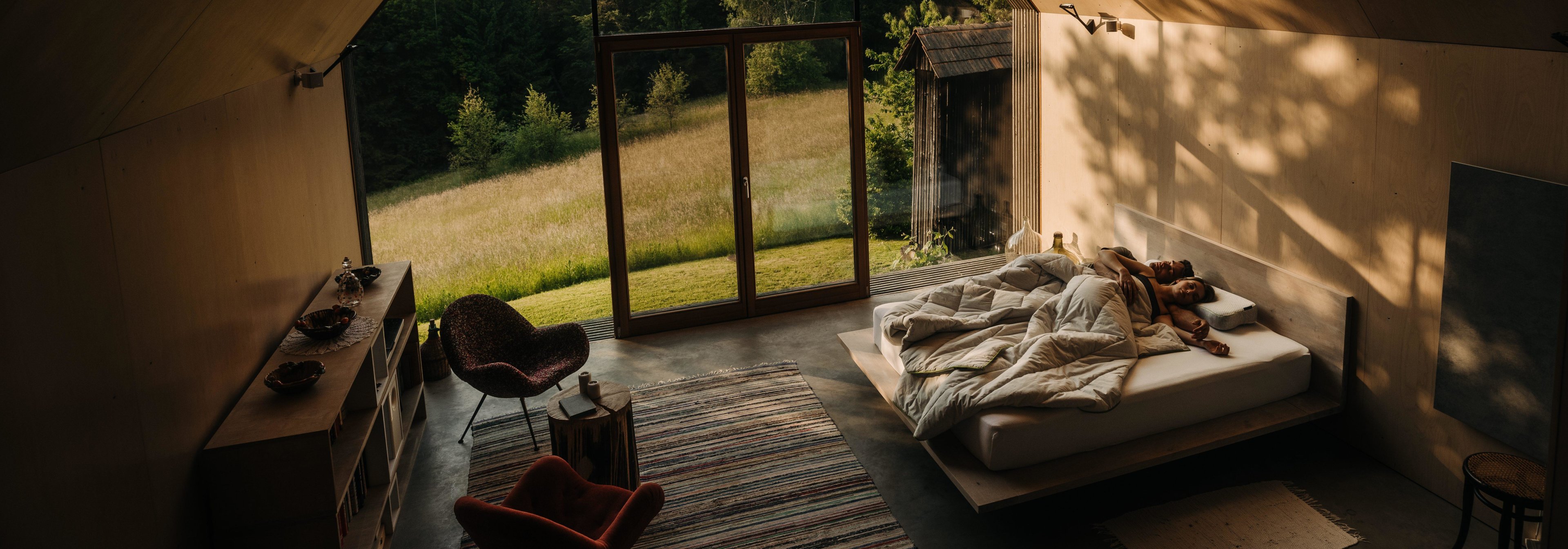
Sleeping culture reflects a way of life—and it varies significantly from country to country. While in Central Europe a private bedroom with a slatted frame, mattress, nightstand, pillows, sheets, and color-coordinated bedding is the norm, things look quite different in other cultures. There, sleeping arrangements are often flexible, portable, or part of the living space—and it’s not uncommon for several people to sleep together in one room or even in one bed.
In many Latin American and tropical regions, hammocks are a traditional sleeping arrangement. They save space, are airy, and conform to the body—ideal for high temperatures. In Asia and Africa, sleeping mats made of natural materials are widely used; these are rolled up and stowed away after waking up. In rural areas or extended families, bunk beds or multi-bed arrangements are also common to make efficient use of limited space.
Bedtime Rituals and Cultural Habits
Bedtime rituals also shape sleeping culture. In some cultures, people drink certain teas, say prayers, light incense sticks, or listen to soft music before going to bed. Sleep there is not merely functional but is embedded in a small daily ritual that brings peace to both body and mind.
Sleeping in the Living Area Instead of the Bedroom
In many parts of the world, there is no separate bedroom as we know it. The living room is repurposed in the evening; sleeping areas are set up and taken down again in the morning. This not only creates space but also allows for more flexibility—and demonstrates that a good sleeping environment isn’t tied to four walls or specific furniture, but rather to peace, comfort, and functional solutions.
Sleep Hygiene Around the World: Learning from Other Cultures
The way we sleep is shaped by culture—as is our understanding of “healthy” sleep. A look at other countries reveals that the importance of sleep varies greatly from culture to culture. While Western societies often prioritize efficiency and fixed routines, many cultures approach the topic of sleep with significantly more flexibility and intuition.
Sleep Rituals and Body Awareness
In many regions of the world, bedtime rituals are an integral part of the day. Whether it’s a cup of tea, soft music, praying together, or burning herbal incense—these simple rituals help the body and mind wind down. They demonstrate that sleep doesn’t begin in bed, but with a conscious transition phase. In India, for example, it is common to drink warming herbal teas or Ayurvedic beverages before bed, which are said to have a calming effect and promote sleep. In Japan, on the other hand, tea ceremonies or relaxation exercises are often practiced to specifically prepare the body and mind for sleep
Climate, Posture, and Sleep Environment
The sleeping environment also varies by culture. In hot countries, people often sleep without a blanket or with breathable materials; in cold regions, they sleep under multiple layers. Sleeping positions—whether on mats, on the floor, in hammocks, or on thick mattresses—are usually the result of tradition and experience, not just comfort.
Openness to New Rhythms
What unites many cultures is a more natural approach to tiredness: people sleep when their bodies demand it—and not exclusively at set times. This cultural openness toward sleep can also serve as inspiration for us: sleep can be a personal choice. Instead of rigid rules, what matters is mindfulness, self-awareness, and the willingness to take one’s own needs seriously.
Co-Sleeping
For millennia, it was completely normal for parents and children to share a bed or a mat at night—the separate children’s room is more of a modern invention. According to a review study, co-sleeping even has benefits: Babies are breastfed more often and more easily, their heart and breathing rhythms adapt to their mother’s, and they calm down more quickly when they wake up. It only becomes a concern when the environment is unsafe—for example, if the mattress is too soft, there are too many pillows, or if the parents have smoked or consumed alcohol. With a firm surface, the baby lying on their back, and a smoke- and alcohol-free sleeping environment, co-sleeping can therefore be a safe and bonding sleeping arrangement.
Our Routines for a More Restful Sleep
Modern Sleep Patterns in Flux: Globalization Is Changing Sleep
In today’s world, our sleep patterns are changing rapidly—driven by digitalization, urbanization, and globalized lifestyles. While sleep schedules used to be strongly influenced by sunlight, work rhythms, and culture, today they are often dictated by artificial light, screen time, and shift work. Smartphones, streaming services, and 24/7 access to entertainment are causing people to go to bed later, sleep less, or constantly shift their sleep schedules.
In cities with high population density, noise, and light pollution, restful sleep is often harder to come by. At the same time, there is a growing global awareness that sleep is not a luxury but a vital health asset—one that directly influences the immune system, concentration, mood, and long-term quality of life. Sleep tracking, mindfulness training, and digital detox trends show that more and more people are actively seeking ways to find peace despite modern sensory overload.
Conclusion: There isn’t just one right way to sleep
Whether on a floor mat in Japan, in a hammock in South America, or in a shared dormitory in India—sleep is as diverse worldwide as the cultures themselves. A look at other countries shows that there is no universal standard for how and where to sleep “properly.” What matters is not the form, but the function: rest, safety, and security— adapted to one’s specific living circumstances.
This diversity not only deserves respect but also offers valuable inspiration for your own daily life. Maybe you’ll leave your cell phone off a little longer in the evening, try a short nap, or set up your bedroom to be simpler and more functional. Maybe you’ll learn to listen more to your body’s signals rather than rigid sleep rules.
After all, good sleep begins with the realization that there are many paths to rest—and your own can be entirely unique.
More on Sleep and Daily Life
Sleep and Daily Life: Your Ultimate Guide to a Night of Dream Sleep and a Productive Day!

FAQ – Sleep in Other Cultures
FAQ – Sleeping in Other Cultures
Yes, sleeping habits vary around the world—from the siesta in Spain to sleeping on the floor in Japan to shared bedrooms in India.
For traditional, climatic, and practical reasons: sleeping mats are easy to store, promote good posture, and are often more hygienic.
This involves spreading sleep across several shorter phases throughout the day instead of one long night’s rest—a practice common among nomadic peoples or in tropical regions, for example.
The siesta originated for climatic and cultural reasons: At midday, it is too hot for physical labor, and the rest period helps the body and mind to regenerate.
No, in many cultures it is common for children to sleep with their parents or siblings to foster closeness and a sense of security.
For example, tea ceremonies, prayers, music, scents, or storytelling together before falling asleep—these help ease the transition to rest.
Flexibility, community, and mindfulness: There are many paths to good sleep—and being open to other approaches can help you find your own rhythm.
Also interesting













Sources / Studies
Steger, B. (2003) – Getting Away with Sleep: Social and Cultural Aspects of Dozing in Japan
https://doi.org/10.1093/ssjj/6.2.181
Naska A. et al. (2007) – Siesta in Healthy Adults and Coronary Mortality
https://doi.org/10.1001/archinte.167.3.296
Thoman E. B. (2006) – Co-sleeping, an Ancient Practice: Issues of the Past and Present
https://doi.org/10.1016/j.smrv.2005.12.001
Roger Ekirch, (2016)
Segmented Sleep in Preindustrial Societies || SLEEP || Oxford Academic